Short answer: Gen Z is building a modular toolkit for resilience out of four practices — crafting, microadventures, purposeful travel, and movement or dance. Research links arts-and-crafts engagement and dance-movement therapy to lower loneliness and reduced anxiety and depression, while cultural reporting shows microadventures (popularised by Alastair Humphreys) and TikTok-era choreography as low-friction, shareable coping strategies for a generation under high digital and emotional pressure.
(Exploring how a generation reclaims agency, steadiness and joy through crafts, short adventures, travel with purpose, and movement — written only from verifiable evidence and reported trends.)
This isn’t about escapism. It’s about a generation inventing small, repeatable practices that ground them in a world built to demand constant attention.
Why is Gen Z under so much pressure?
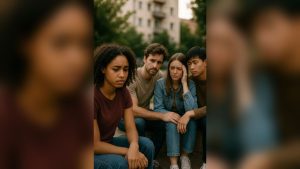
Research and reporting over recent years paint a clear backdrop: many young people carry unusually high levels of anxiety, depression, and stress compared with previous cohorts, and social media sits at the centre of that picture. Large-scale surveys and expert summaries document rising mental-health concerns among teens and young adults and show how digital life shapes emotional experience.
That context explains why Gen Z’s cultural moves — toward making, micro-outings, meaningful travel, and dance/movement — are not aesthetic choices alone. They function as coping strategies, identity work, and social infrastructure for well-being.
How does making help Gen Z mental health?
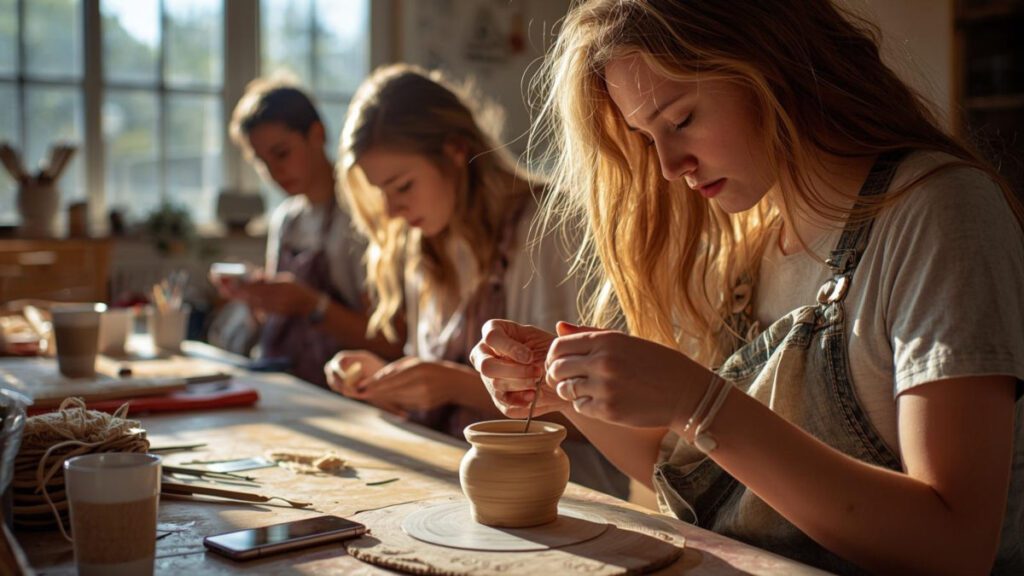
The tactile work of knitting, journaling, pottery, resin art, collage, or “slow” DIY is hugely visible on Gen Z platforms and increasingly backed by research. Recent studies find that regular engagement in arts-and-crafting activities predicts higher subjective well-being and lower loneliness, and randomized and quasi-experimental work shows crafts-based interventions can deliver measurable mental-health benefits — though reviewers call for larger, higher-quality trials to clarify mechanisms and durability. Making helps, evidence is mounting, and science remains careful about claims of permanence or one-size-fits-all cures.
Why does making help? The peer-reviewed literature points to several evidence-backed pathways:
Attention reorientation: hands-on tasks redirect ruminative attention and offer predictable sensory feedback (stitch, brushstroke, press).
Agency and completion: small, achievable projects produce repeated wins and visible progress, a concrete antidote to the diffuse overwhelm of modern life.
Social scaffolding: sharing process on short-form video or in community forums turns solitary making into social ritual without heavy social demands.
These aren’t abstract benefits. They’re why young people stitch in study groups, swap pattern files inside group chats, build “crafternoons” into weekends, and use making as downtime that still feels generative.
What is a microadventure and why is it popular with Gen Z?
Gen Z isn’t chasing exotic itineraries so much as reworking what “getting away” means. The microadventure — a short, local, low-cost outing that still feels like an adventure — has become a practical template for people with limited time and tight budgets. The concept, popularised by Alastair Humphreys, has been widely adopted: sunset walks, one-night car trips, curated picnics, and “super picnics” that double as low-stakes social events. Cultural reporting and tourism commentary frame these as accessible ways to reset without structural privilege.
Two linked dynamics make microadventures magnetic for Gen Z:
Low friction, high meaning. You don’t need a passport to feel changed; a shift of setting with friends can recalibrate mood.
Aesthetic plus accessibility. Social media amplifies ideas, but what spreads are formats people can replicate cheaply (blanket + homemade snacks + playlist).
That combination explains why picnic culture, themed outdoor gatherings, and short local trips have regained cultural energy. They’re doable, shareable, and restorative.
How is Gen Z rethinking travel?
When Gen Z travels, industry research shows they spend and choose differently: younger travelers increasingly prioritise experiences, cultural immersion, and sustainability over sightseeing for photo ops. Recent travel industry and market reports document demand for sustainable options, meaningful stays, and “sleep tourism” and wellness-first trips that centre restoration. These trends point to travel as a tool for identity work, learning, and recovery rather than pure consumption.
Concretely, surveys collected by travel platforms find that many younger travelers are more likely than older cohorts to plan solo trips, favour cultural experiences over heavy nightlife, and look for sustainable or wellness-oriented options. The marketplace is responding — from glamping and reflective retreats to more localised “slow” travel products aimed at younger demographics.
How does dance support Gen Z’s wellbeing?
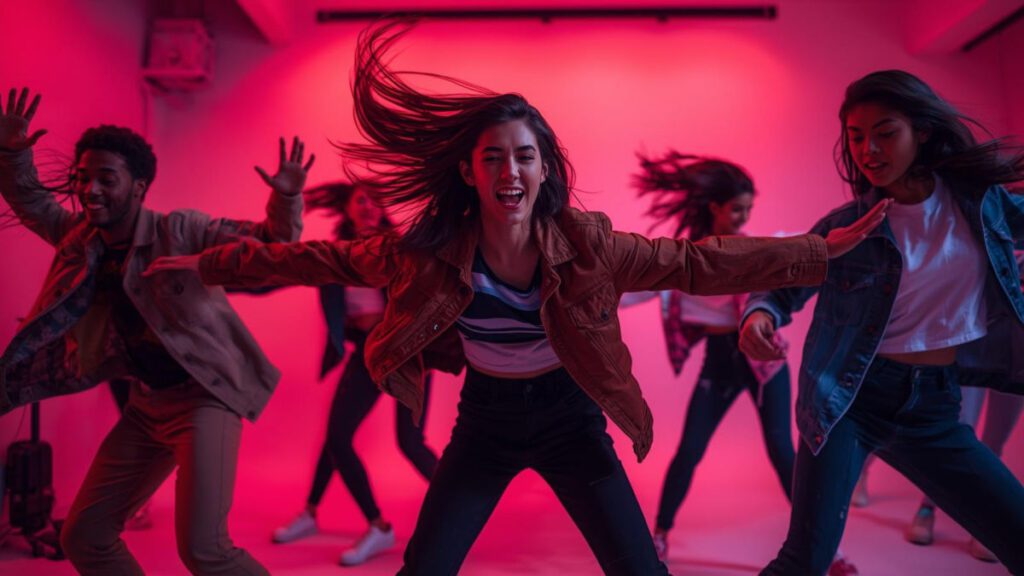
On phones and in studios, Gen Z’s relationship to dance is both intensely social and deeply personal. Short-form platforms like TikTok accelerated a global, democratized choreography culture: simple routines spread quickly, people learn together, and movement becomes an instantly shareable language. The phenomenon reshaped how dance is produced, learned, and credited, and how millions of young people use movement to communicate identity and emotion. Wired, The Guardian, and other cultural outlets have traced how viral choreography launches creators and songs while raising debates about credit and cultural appropriation.
Beyond trends, clinical research on dance and dance-movement therapy is substantive: controlled studies and systematic reviews report meaningful reductions in symptoms of anxiety, depression, and trauma when dance-based interventions are part of mental-health care. Reviews caution that programming, facilitator skill, and context matter, but the signal is consistent: embodied practices work as tools of regulation, social connection, and meaning-making.
Viral choreography and therapeutic movement are different nodes of the same impulse. One is public and fast-moving; the other is guided, intentional, and clinical. Both point to the same truth — movement is a language Gen Z uses to translate inner states into shared experience.
How do these practices combine into a toolkit?
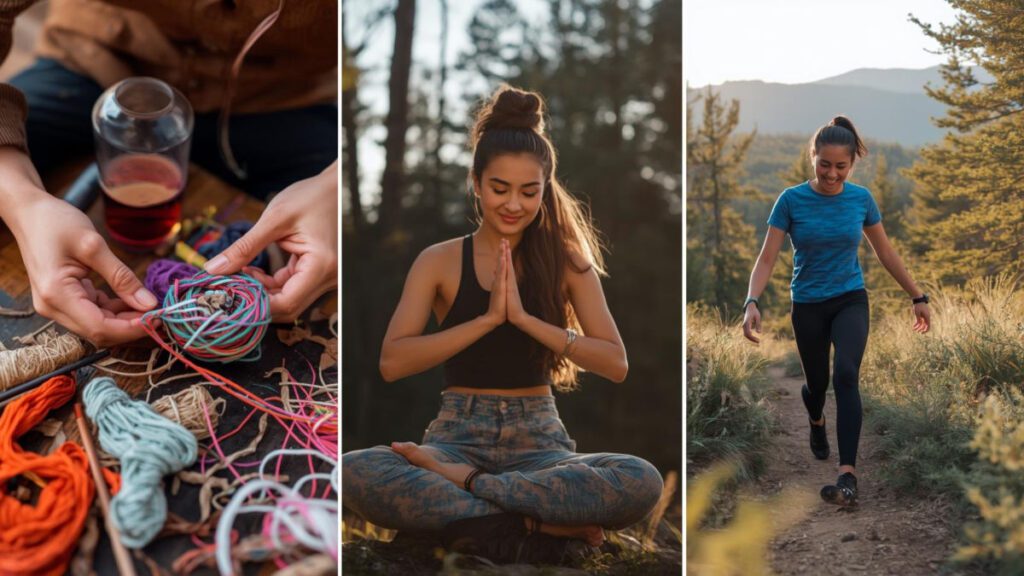
Read together, the evidence and cultural data show Gen Z isn’t inventing a single ritual. They’re assembling a modular toolkit for resilience where each element plays a complementary role.
Making is slow, individual, and restorative (repetition, mastery, tactile feedback). Evidence: arts-and-crafts engagement predicts better subjective well-being in observational studies; craft interventions show benefit in controlled settings.
Micro-outings create affordable, repeatable context shifts that reduce rumination and allow social ease. (Conceptual and cultural reporting: Alastair Humphreys, picnic trend coverage.)
Travel with intent scales the same impulses to longer timescales — chosen for repair, identity work, and sustainability rather than consumption. (Market reports from Booking.com and travel industry analyses.)
Movement and dance enable embodied emotion regulation, social bonding, and visible identity work — from TikTok choreography to guided dance-movement therapy. Clinical and cultural sources support the dual role.
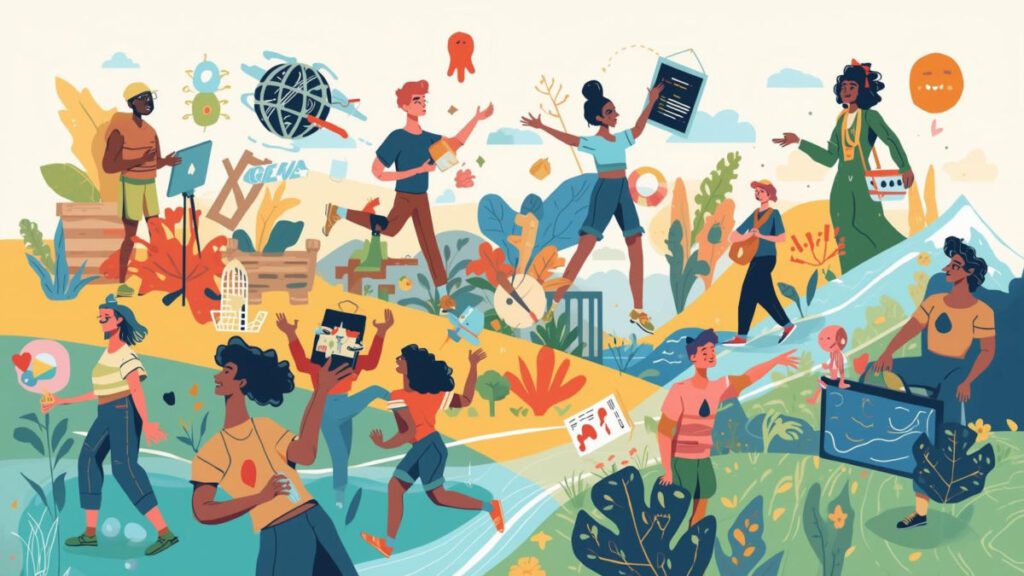
These elements are portable and combinable. A weekend microadventure might include a hand-made playlist (craft + travel), a picnic with friends (outing + low-stakes sociality), and an evening of free-form movement (dance + regulation). The effect isn’t magical; it’s cumulative. Small practices stack into a larger habit architecture.
What does the science still ask of us?
An important caution from the academic literature: results are promising for arts-and-crafts and dance-based interventions, but reviewers repeatedly call for more rigorous trials, longer follow-ups, and clarity on who benefits most and why. In practice, making and movement are evidence-supported options — complements to, not replacements for, clinical care when serious mental-health conditions are present. For people in crisis, public health resources and clinical treatment remain central.
If you or someone you care about is struggling — especially if there are thoughts of self-harm — trusted crisis resources exist (for example, the U.S. 988 Lifeline and equivalents elsewhere; see SAMHSA and local mental-health services).
A final, evidence-grounded reading
Gen Z’s cultural moves — crafting, short local adventures, thoughtful travel, and movement — are not trivial stylistic choices. They are measurable responses to measurable conditions: rising anxiety, constant digital attention, and a craving for agency and meaningful social connection. The science and cultural reporting align: embodied, creative, and low-friction practices can reduce loneliness, improve mood, and offer repeated, accessible ways to practise self-care. The literature asks us to be modest about claims while recognising the practical value of these rituals as part of a broader wellbeing portfolio.
FAQs about Gen Z, movement and making
Does crafting actually improve mental health?
Yes. Observational studies show arts-and-crafts engagement predicts higher subjective well-being and lower loneliness, and controlled research suggests crafts-based interventions deliver measurable mental-health benefits. Reviewers still call for larger, higher-quality trials.
Who coined the microadventure?
The microadventure concept was popularised by adventurer Alastair Humphreys. It refers to a short, local, low-cost outing — sunset walks, one-night car trips, curated picnics — that delivers the psychological reset of a bigger trip.
What do Gen Z travelers prioritise?
Industry research shows younger travelers prioritise experiences, cultural immersion, and sustainability over sightseeing for photo ops. Many are more likely than older cohorts to take solo trips, avoid heavy nightlife, and choose wellness-oriented or sustainable options.
Is dance-movement therapy evidence-based?
Controlled studies and systematic reviews report meaningful reductions in symptoms of anxiety, depression, and trauma when dance-based interventions are used as part of mental-health care. Programming, facilitator skill, and context shape outcomes.
Can these practices replace therapy?
No. Making, microadventures, travel, and movement are useful, evidence-supported tools, but they complement rather than replace clinical care when serious mental-health conditions are present. For crisis support, contact resources like the U.S. 988 Lifeline or SAMHSA.