Short answer: Students manage bullying best by recognising the four types (verbal, physical, social, cyber), telling a trusted adult quickly, documenting incidents, responding calmly rather than emotionally, and using their school’s formal reporting system. Online safety tools and a strong support circle do the rest.
Bullying isn’t just a childhood phase. It leaves emotional scars, drags down grades, and chips away at self-esteem. For too many students, school turns into a daily battleground rather than a place to learn. The way through it is real though: awareness, resilience, a steady support system. Here’s a practical roadmap.
What does bullying actually look like?
Before you can confront bullying, you have to know what it is. It’s not a one-off conflict or a rough joke between friends. Bullying is repeated, targeted behaviour meant to harm, intimidate, or humiliate someone, and there’s almost always a power imbalance behind it, whether physical, social or emotional.
Types of bullying
- Verbal: Name-calling, insults, threats, teasing.
- Physical: Hitting, pushing, tripping or damaging property.
- Social/Relational: Excluding someone, spreading rumours, public embarrassment.
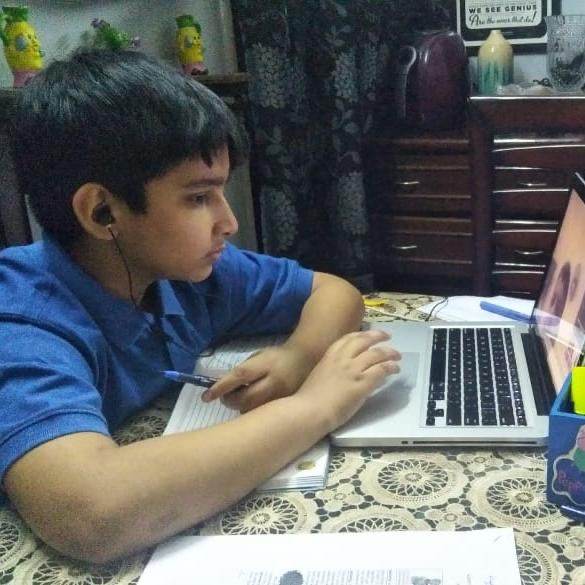
- Cyberbullying: Harassment over text messages, social media or online forums.
According to a UNESCO report (2021), nearly one in three students worldwide has been bullied by their peers. Catching the signs early matters, both for yourself and for spotting it happening to others.
Why does speaking up matter?
One of the biggest myths about bullying is that ignoring it will make it stop. It almost never does. Silence reads as permission, and bullies take it as a green light.
What you can do
- Tell a trusted adult. A teacher, school counsellor, parent or even a sports coach.
- Talk to a friend. Just having someone listen lifts the emotional weight.
- Keep records. Screenshots of messages, a log of incidents, dates, witnesses, all of it strengthens your case when you report.
In my own school years, I watched a close friend deal with cyberbullying silently for months. Once she finally confided in a counsellor and her parents, the whole situation turned around inside a week. The breakthrough didn’t come from confrontation. It came from speaking up.
Respond calmly, not emotionally
Bullies feed on emotional reactions. They want fear, tears, anger, anything that proves they got under your skin. The most empowering thing you can do is take back control of your response.
Smart response strategies
- Stay composed: Walk away with confidence, not fear.
- Use assertive language and posture: Standing tall and saying “This is not okay” lands harder than yelling.
- Avoid escalation: If you sense danger, prioritise safety over any verbal comeback.
Worth remembering: not reacting is not the same as doing nothing. It’s a strategic choice, not weakness.
Use the school system
Every school is legally and ethically responsible for keeping its learning environment safe. Most have anti-bullying policies and disciplinary protocols on paper. But the system only works if students know about it and actually use it.
Steps to take
- Report formally. Go beyond a hallway chat with the teacher. Make it official, in writing if you can.
- Follow up. Ask what action is being taken. Be polite but firm.
- Use school support services. Counsellors, peer support groups, mental-health professionals.
Change usually starts with a complaint. It grows when students keep showing up to shape the school culture around them.
How should you handle cyberbullying?
The digital world has opened new arenas for cruelty, where bullies hide behind screens. But the same internet gives you tools to defend yourself.
How to protect yourself
- Don’t respond to hate or threats.
- Use platform tools to block, mute or report the bully.
- Adjust privacy settings so only trusted people can see your content.
- Save evidence before you delete any messages or posts.
The National Crime Records Bureau (India) has reported a steady rise in cyberbullying cases among teenagers in recent years. Digital awareness, at this point, matters as much as physical safety.
Build a circle of support
Bullies often pick targets who look isolated. A real support network is your strongest defence.
- Get involved in extracurriculars, debate club, drama, coding, sports. Shared interests build positive friendships fast.
- Stay connected with family. Regular conversations with parents or siblings keep stress in check.
- Lift others up. Being kind to someone else creates a ripple. A simple “Are you okay?” can change a day.
Studies from the American Psychological Association show that students with strong peer support are more resilient to bullying’s effects. Not surprising. But worth saying out loud.
Focus on self-worth and mental health
Bullying doesn’t just hurt on the outside. It can deeply damage self-confidence too. Healing takes time. But daily habits help rebuild your sense of worth.
Practise self-care
- Do things you actually enjoy. Painting, dancing, reading, gaming, anything that reconnects you with who you are.
- Use positive affirmations. Phrases like “I am enough” or “I am strong” repeated daily shift the way you talk to yourself.
- Talk to a therapist if sadness, anxiety or isolation start feeling overwhelming.
Be the change
You don’t have to be an adult to create change. Some of the most powerful anti-bullying movements have been led by teens. Schools need leaders who’ll speak up, spread kindness and model empathy in the corridor when nobody’s watching.
Ways to make an impact
- Start a student-led anti-bullying campaign or club.
- Work with teachers to organise workshops on emotional intelligence or digital safety.
- Celebrate kindness. Acknowledge classmates who support others, and build a culture of inclusion piece by piece.
As 16-year-old Indian activist Khushi Choudhary once said in a school event:
“We can’t wait for grown-ups to fix everything. It starts with us, in our classrooms, in our friend circles, in our words.”
You are not alone
Bullying hurts. It isn’t permanent though. With the right tools, support and mindset, students can move past it, and sometimes turn the experience into a stepping stone for who they become next.
If you or someone you know is being bullied, don’t suffer in silence. Speak up, reach out, and remember:
“Courage isn’t the absence of fear, it’s choosing to act in spite of it.”
A safer school starts with one voice. Yours.
FAQs about managing bullying in school
What should a student do first when they’re being bullied?
Tell a trusted adult quickly, a teacher, counsellor, parent or coach, and start documenting incidents with dates, screenshots and witnesses. Documentation makes any later report far stronger and harder to dismiss.
Is ignoring a bully an effective strategy?
No. Silence usually reads as permission and lets the bullying continue. Responding calmly, walking away with composure, and reporting through the right channels works far better than pretending it isn’t happening.
How can students handle cyberbullying specifically?
Don’t respond to threats. Use the platform’s block, mute and report tools, lock down your privacy settings to trusted people only, and save evidence before deleting anything. The National Crime Records Bureau in India has flagged rising cyberbullying among teens, so reporting matters.
What are the four main types of bullying?
Verbal (name-calling, threats), physical (hitting, damaging property), social or relational (exclusion, rumours, public embarrassment), and cyberbullying (harassment over text, social media or online forums). All four involve a power imbalance and repeated harm.
When should a bullied student talk to a therapist?
If feelings of sadness, anxiety, or isolation start feeling overwhelming, or if your sleep, appetite or schoolwork are slipping. A therapist offers tools to rebuild self-worth that friends and family alone can’t always provide.