Short answer: Content for Gen Z comes down to authenticity, speed and visual punch. You’ve got 8 seconds to hook them, mobile-first vertical video rules, and 75% of Gen Z trust brands that show real diversity (McKinsey & Company). Skip the polish, write like you’re texting a smart friend.
Let’s face it, Gen Z isn’t easy to impress. Born into the age of high-speed internet, TikTok trends and cancel culture, they’ve developed razor-sharp BS detectors. If your content feels forced or fake, it won’t just be ignored. It might get roasted. Publicly.
But here’s the good news. Once you understand what makes Gen Z tick, creating content they enjoy becomes less of a mystery and more of an art. It’s about being real, relevant and resonant.
Why is authenticity non-negotiable with Gen Z?
One rule you can’t afford to break: Gen Z demands authenticity.
They grew up with reality TV, influencer scandals and polished Instagram filters. They crave content that feels human. Flaws, quirks, honesty. Trying to curate a perfect image will almost always backfire.
Show behind-the-scenes moments instead. Talk about challenges you’ve faced. Admit when you don’t have all the answers. Transparency builds trust, and Gen Z rewards brands and creators who keep it real.
A friend of mine runs a small skincare business. She started posting short, unedited videos of her packing orders and reacting to customer feedback. No fancy transitions, no paid actors. Engagement doubled. It felt personal. It felt real.
How should brands actually talk to Gen Z?
Gen Z isn’t asking you to use slang like “no cap” or “rizz” if you don’t know what they mean, what they want is relatable, casual, human-sounding content.
Ditch the corporate tone. Avoid jargon. Write like you’re texting a friend, but a smart one. Use memes if it fits, emojis if it flows, but don’t force it. There’s a wide gap between understanding the culture and trying to hijack it.
And being funny doesn’t mean being cringey. If you’re not naturally humorous, lean into storytelling, vulnerability or aesthetic visuals. Authenticity beats awkward attempts at virality.
Why do visuals matter so much for Gen Z content?
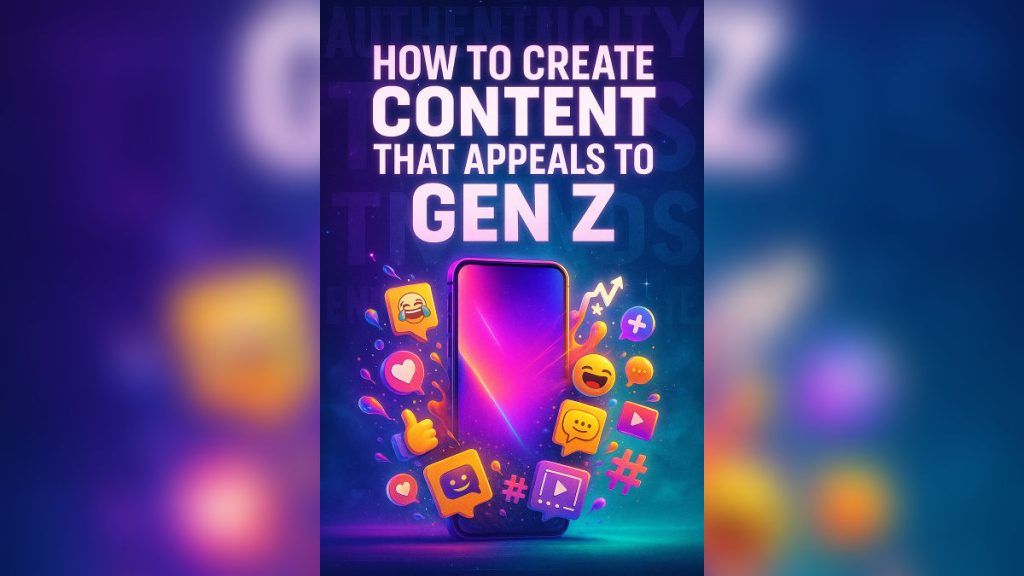
Gen Z is visual-first, mostly mobile. So your content needs to be eye-catching, thumb-stopping and mobile-optimised.
Think:
- Bold colours and crisp graphics
- Vertical video formats for TikTok, Reels and Shorts
- Subtitles for sound-off viewing
- Strong hooks within the first 3 seconds
Short-form video especially is king. According to Statista, TikTok had over 325 million users in India before the ban, and similar formats on Instagram and YouTube have filled that gap. If you’re not making snappy video content, you’re missing the party.
How long do you have to grab Gen Z’s attention?
Here’s the hard truth: you’ve got about 8 seconds to make an impression. That’s less than the attention span of a goldfish, according to a Microsoft study.
So cut the fluff. Start with the most exciting part. Hook them in, then deliver value fast. Short sentences. Broken paragraphs. Bolded important stuff.
Instead of writing:
“We are excited to announce the release of our new product, which we believe will significantly improve your experience.”
Try:
“It’s here. Our most requested product, finally live.”
Punchy writing feels alive. And Gen Z doesn’t just scroll, they scan. Make it worth the scan.
How do you start conversations instead of broadcasts?
Content that feels like a monologue? Boring. Content that sparks interaction? Gold.
Gen Z wants to engage, not just consume. Ask questions. Run polls. Share challenges. Use Q&As, duets, stitch replies. Let them be part of the content journey.
In one campaign, Spotify encouraged Gen Z users to share their “Audio Birth Chart,” a personalised musical astrology reading. Interactive, shareable, deeply personal. The result? Massive engagement across stories and TikToks.
If your content doesn’t offer a way in, it’s just noise. Make it a conversation.
How do you stay relevant in a fast-moving culture?
Gen Z’s digital world moves at breakneck speed. What’s hot today is cringe tomorrow. So to stay relevant, you’ve got to be agile.
Watch trends not just for what’s viral, but for why something’s working. Tools like Google Trends, TikTok Creative Center and Reddit help keep your ear to the ground.
And don’t be afraid to test and pivot. Some formats will flop, that’s okay. Gen Z respects creators and brands that evolve, experiment and grow in real time.
Why is real diversity, not tokenism, what Gen Z actually wants?
Gen Z is the most diverse, inclusive and socially aware generation yet. They expect content that reflects their world, not a sanitised version of it.
That means:
- Representing a range of races, genders, sexualities and abilities.
- Avoiding stereotypes or tokenism.
- Telling nuanced, human stories instead of one-size-fits-all narratives.
And this isn’t just about “being woke,” it’s about being real. According to a McKinsey & Company report, 75% of Gen Z are more likely to trust a brand that represents diversity authentically.
If your content lacks representation, you’re missing your audience.
A final word: stop performing, start connecting
Creating content for Gen Z isn’t about putting on a show. It’s about building trust, sparking joy, adding value.
They don’t want to be sold to. They want to be spoken with. They don’t want another empty trend, they want stories, laughs, inspiration, community. So whether you’re a creator chasing relevance or a brand aiming for loyalty, lead with truth, listen well, and don’t fake the funk.
FAQs about creating content for Gen Z
What kind of content does Gen Z actually engage with?
Short-form vertical video, real behind-the-scenes moments, polls and challenges, and stories that feel raw rather than polished. Mobile-first formats on TikTok, Instagram Reels and YouTube Shorts dominate.
How long do you have to grab Gen Z’s attention?
About 8 seconds, according to a Microsoft study, less than a goldfish’s attention span. The first three seconds need a strong hook, or viewers scroll on.
Should brands use Gen Z slang in their content?
Only if it lands naturally. Forced “no cap” or “rizz” reads as cringey and gets called out. Casual, human-sounding language that you’d use with a smart friend works far better.
Why does Gen Z care about diversity in content?
Gen Z is the most diverse generation yet, and they expect content to reflect their actual world. A McKinsey & Company report found 75% are more likely to trust brands that represent diversity authentically.
What’s the biggest mistake brands make with Gen Z content?
Trying too hard to be cool. Forced trends, corporate jargon, performative activism and overly polished aesthetics all backfire. Gen Z prefers honesty from creators willing to show flaws and admit when they don’t have the answers.