

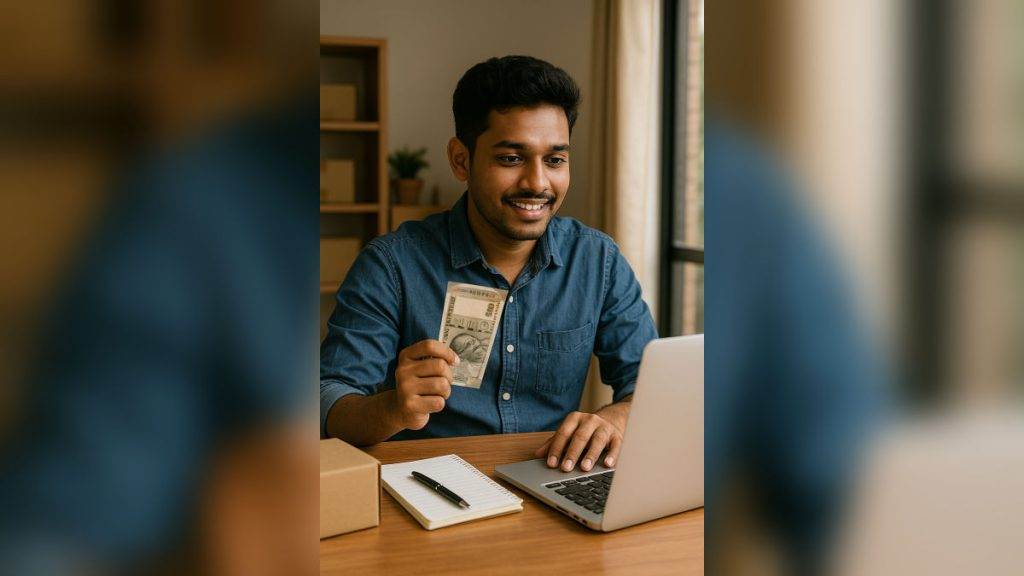
Short answer: You can start a business in India for under ₹25,000 by picking a skill-based service (writing, design, social) or a lean product play (dropshipping, print-on-demand, tiffin). Spend about a third on marketing, the rest on hosting, branding and a small cushion. The lever isn’t capital, it’s clarity.
Starting a business can feel like a far-off dream when there’s no pile of cash sitting in your account. But the truth in 2025? You can launch something real in India for less than ₹25,000. What you need more than money is a clear head, a useful skill, and the patience to hustle smart.
Why does the ₹25,000 myth still hold people back?
People put off starting because they think they need lakhs. That mindset misses the whole point of lean startups. With a clear vision and the right tools, a modest budget can build something sustainable. That shift in framing matters more than the budget itself.
How do you pick the right business for your skills?
Before you spend a single rupee, pause. Ask yourself:
- What am I genuinely good at?
- What do friends and colleagues keep asking me for help with?
- Can I solve a specific problem with my skills or product?
Building a business that lines up with what you already know saves training costs and gives you a head start.
Skill-based services you can start today
- Freelance Writing & Content Creation – Fiverr, Upwork and LinkedIn make finding clients easy. A laptop and decent language skills is enough.
- Social Media Management – If you’re already burning hours on Instagram or X (formerly Twitter), get paid for it. Small businesses need help with content and engagement.
- Graphic Design – With Canva and basic design know-how, you can start offering services.
- Video Editing & Reels Creation – Short-form video is booming. If you can trim, sync audio and add creative touches, you’re already valuable.
- Virtual Assistance – Admin, email, scheduling. Many entrepreneurs outsource these.
Personal Tip: I started with just a ₹1,999 investment in a domain name and portfolio website. Within two months, I landed three content clients through LinkedIn.
What product-based ideas won’t break the bank?
Selling physical products sounds expensive. It doesn’t have to be.
Low-cost product business ideas
- Dropshipping – You sell online without holding inventory. The supplier ships directly when an order comes in.
- Print-on-Demand – Sell custom t-shirts, mugs or notebooks via Printrove or VistaPrint.
- Handmade Crafts or Personalized Gifts – Think handmade candles, jewelry, or nameplates. Great for Instagram and niche stores.
- Online Bakery or Tiffin Services – If you bake or cook well, demand for quality homemade food rarely dries up.
- Reselling on Marketplaces – Buy in bulk from wholesalers and sell at a profit on Meesho, Amazon, or Flipkart.
These ideas need basic equipment, packaging and marketing. All manageable inside a ₹25,000 envelope.
Start with friends and family. Word of mouth is still one of the strongest (and free) marketing tools.
Which local services scale through word-of-mouth?
If you’d rather work offline, hyperlocal businesses need almost no investment.
Service-based ideas that are easy to launch
- Pet Sitting or Dog Walking – Pet parents in metro cities are always hunting for trusted help.
- Mobile Car Wash – Some cleaning supplies, a water source, and you’re in business in your area.
- House Cleaning or Organisation – Working professionals (especially in tier-1 cities) increasingly seek help maintaining their homes.
- Tuition or Online Tutoring – Teach a subject you’re strong in. Internet, a smartphone, and you’re set.
You can grow these by asking for referrals, leaning on WhatsApp groups, and creating local Google My Business listings. The catch is consistency, not capital.
How should you split a ₹25,000 budget?
Here’s a sample breakdown for an online service-based business:
| Item | Estimated Cost (₹) |
| Domain + Hosting (1 Year) | 2,000 – 3,000 |
| Logo & Branding (Canva Pro etc.) | 1,000 – 2,000 |
| Marketing (Instagram ads, etc.) | 5,000 – 7,000 |
| Tools & Subscriptions | 2,000 – 4,000 |
| Packaging or Raw Materials | 3,000 – 6,000 |
| Emergency / Miscellaneous | 2,000 – 3,000 |
| Total | ≤ 25,000 |
The trick: start small, stay lean and reinvest your profits.
How do you build a strong online presence on a shoestring?
In a digital-first world, your brand has to be findable. Here’s how, without bleeding cash:
- Create an Instagram page – Post regularly, use hashtags, and engage with your target audience.
- Make a simple website – Tools like Carrd, Wix or WordPress get you a professional site in hours.
- List on relevant platforms – If you’re a tutor, get on UrbanPro. If you make crafts, try Etsy or Amazon Karigar.
Marketing isn’t about spending more. It’s about communicating better. Focus on storytelling, social proof and consistency.
Tap into your network
Often overlooked, your personal and professional network can be a goldmine. Tell people what you’re doing. Ask for referrals. Join entrepreneur groups or WhatsApp communities. Networking costs courage, not money.
Don’t fear the slow start
Let’s be honest. The beginning will be slow. You might only make ₹2,000 in month one, and that’s okay. Every great business started with uncertainty. Stay consistent. Track growth. Tweak strategies. And celebrate the small wins.
“Rome wasn’t built in a day. But they were laying bricks every hour.” — James Clear
Bonus: government schemes worth knowing about
Initiatives like Startup India, PMEGP and Mudra Loans offer financial assistance, mentorship and training. They’re not always immediate, but worth tracking as you scale. Passion beats capital. Starting under ₹25,000 isn’t only possible, it’s a smart way to test ideas and grow without pressure. You don’t need fancy offices or massive ad budgets to begin. You need clarity, grit, and a plan.
FAQs about starting a business under ₹25,000 in India
What’s the cheapest legitimate business to start in India right now?
Skill-based services like freelance writing, social media management, graphic design and online tutoring need almost zero capital beyond a laptop. You can begin under ₹5,000 if you already own the gear, then reinvest early income into branding and ads.
Do I need to register my business if I’m starting under ₹25,000?
For solo freelancing, you can begin as a sole proprietor without formal registration. Open a current account and look at GST once you cross the turnover threshold. Reselling on Meesho, Amazon, and Flipkart needs basic seller registration on those platforms.
How much should I spend on marketing inside a ₹25,000 budget?
Roughly ₹5,000–₹7,000, or about a quarter to a third of your budget, on Instagram ads and basic SEO. Pair that with free channels like LinkedIn, WhatsApp groups, and a Google My Business listing so paid spend isn’t doing all the work.
Can I earn back ₹25,000 in the first few months?
Often yes for service businesses, especially if you start with one or two paying clients through your network. Product businesses like tiffin or print-on-demand usually take three to six months to break even.
Which government schemes help first-time entrepreneurs in India?
Startup India offers tax benefits and easier compliance. PMEGP gives subsidies for micro-enterprises. Mudra Loans (under PMMY) lend up to ₹10 lakh to non-corporate small businesses. None are instant, but worth tracking once revenue stabilises.