


Short answer: India’s 2025 monsoon delivered about 8% more rainfall than the long-term average from June to September, making it the second consecutive surplus year. But the rain fell unevenly: Northwest and Central India got heavy surplus while Assam, Bihar, and Meghalaya faced a 20% deficit, and extreme events like the Kolkata cloudburst of September 23, 2025 exposed urban drainage weaknesses.
The Indian monsoon of 2025 wrapped up with an unexpected twist. Instead of the usual anxiety about water shortages, this year the skies gave us more rain than average. From June to September, India received about 8% more rainfall than the long-term average, making it the second consecutive year of surplus monsoon rains.
Before we celebrate, a pause. The national average looks positive, but the ground reality was uneven. Some regions drowned, others dried out. Some farmers smiled, others worried about damaged crops. For cities, floods and cloudbursts showed that too much rain in too little time can be as dangerous as drought.
For Gen Z, who will live through the next decades of climate shifts, this monsoon is more than weather. It is a warning, a lesson, and an opportunity.
Where did it pour, and where did it not?
The monsoon doesn’t treat every region equally, and 2025 proved it.
Northwest and Central India were the big winners. States in these regions received rainfall way above normal, bringing relief to farmers growing rain-fed crops.
Eastern and Northeastern India weren’t so lucky. Assam, Bihar, and Meghalaya faced a 20% rainfall deficit, raising concerns about crop losses and water stress.
Even within one state, some districts saw floods while others reported dry spells. That is the monsoon paradox: abundance and shortage coexisting side by side.
When the sky turned extreme: 2025’s worst events
Surplus didn’t mean stability.
Kolkata Cloudburst (September 23, 2025): A sudden downpour flooded streets, damaged Durga Puja preparations, and claimed lives. In a few hours, parts of the city received over 200 mm of rain, overwhelming drainage systems and halting daily life.
Himalayan States: Himachal Pradesh and Uttarakhand recorded an unusually high number of extreme rainfall events. The mountains, fragile by nature, saw landslides, flash floods, and road blockages.
Maharashtra’s Marathwada: A region known more for drought than floods, Marathwada shocked everyone when a single district logged 170 mm of rain in 24 hours, swelling rivers and flooding villages.
For city dwellers, this meant submerged roads, power cuts, transport breakdowns, and waterlogging. For rural areas, it meant crops washed away or delayed sowing.
Why does this rain matter for everyone?
Rain in India is more than a weather report. It is the heartbeat of the economy.
Agriculture: A good monsoon means better crop yields, stable food prices, and happier farmers. Erratic rain can destroy fields, leading to food shortages and inflation.
Water security: Surplus rain helps fill dams and recharge groundwater, critical for irrigation and drinking needs in the dry months. But short, violent bursts often run off instead of soaking in.
Urban life: Cities with outdated drainage are not prepared for cloudbursts. Half-submerged cars and students wading through waist-deep water are becoming a yearly ritual.
For Gen Z, this is not distant news. It shapes the cost of living, food on your plate, the safety of your city, and the careers in climate, tech, and governance that many will step into.
What is the outlook for October 2025?
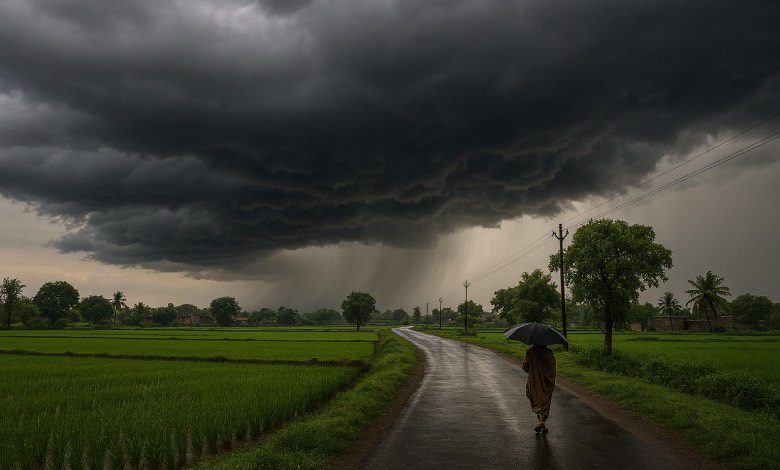
The story isn’t over. Meteorologists suggest October will stay wetter than usual, with above-normal rainfall expected in several regions. The withdrawal of the monsoon is likely to be delayed.
A prolonged season is both a blessing and a challenge. Reservoirs get more time to fill, while farmers and city planners must brace for unexpected floods and delays in the transition to winter crops.
What can Gen Z actually do about the monsoon?
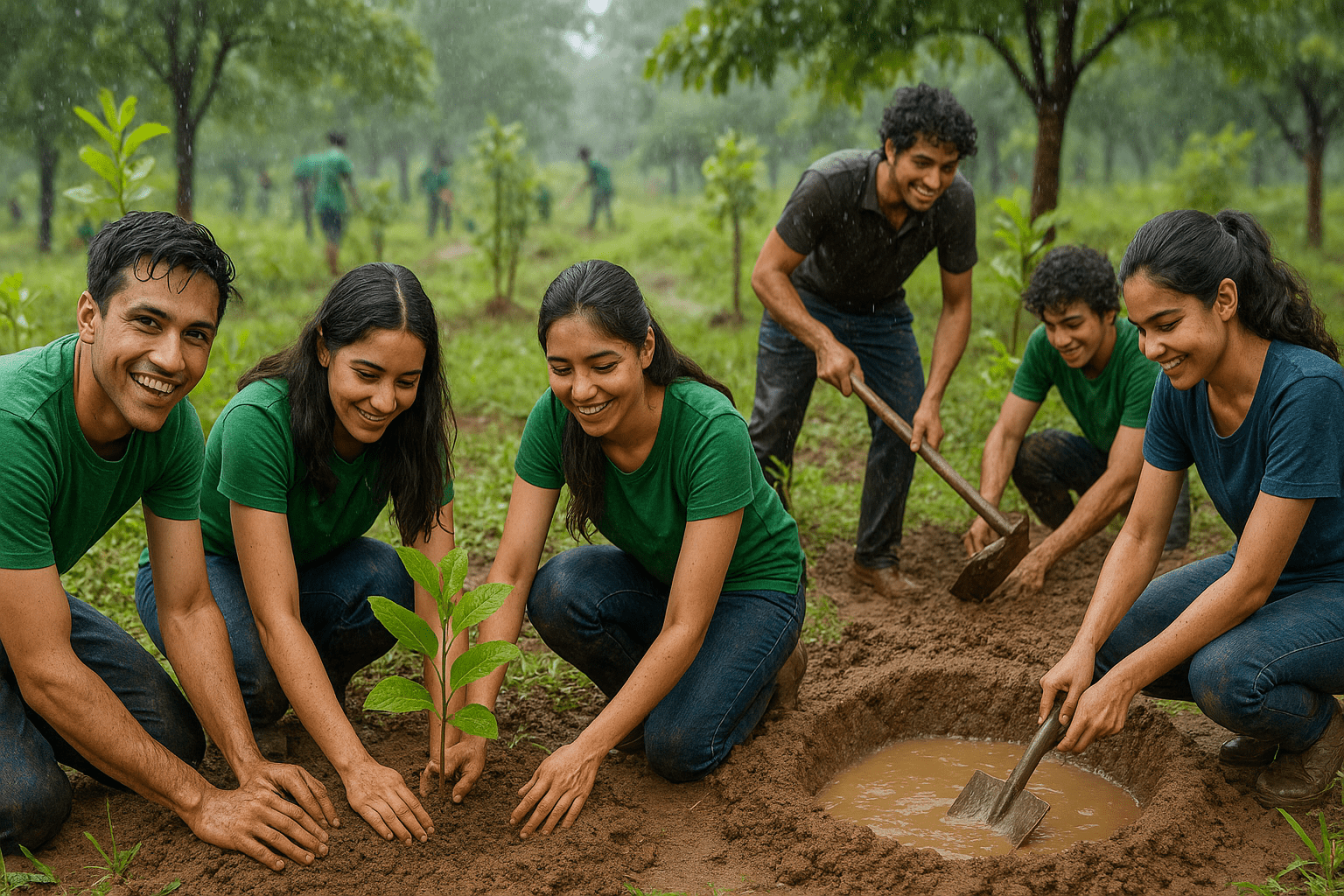
It is easy to feel powerless when the skies decide our fate, but this generation has tools no other did: tech, social platforms, and global awareness. Here is how you can engage:
Digital activism: Use social media to highlight climate challenges, not only funny reels, but stories of farmers, floods, and survival.
Urban innovation: Push for green infrastructure in your city, including rainwater harvesting, permeable pavements, and better drainage systems.
Citizen science: Install simple rain gauges, collect local weather data, and share it with climate researchers. Small inputs create big impact.
Lifestyle shifts: Be conscious of water usage. A surplus monsoon one year doesn’t erase the looming water crisis.
Career paths: Consider climate-tech startups, environmental law, sustainable architecture, and agritech. The monsoon can inspire jobs that save lives.
More than just raindrops: the takeaway
The 2025 monsoon showed two faces: generosity and fury. It filled reservoirs and farms with hope, but it also flooded homes, uprooted families, and tested our resilience.
For Gen Z, the lesson is clear. Climate change is no longer a future problem, it is a present reality. This season should push us to adapt, innovate, and demand better systems. In the coming years, the story of the monsoon will also be the story of how this generation responds.
FAQs on India’s 2025 monsoon
How much rain did India receive in the 2025 monsoon?
India received about 8% more rainfall than the long-term average between June and September 2025, making it the second consecutive surplus monsoon year.
Which states had a rainfall deficit in 2025?
Eastern and Northeastern states, including Assam, Bihar, and Meghalaya, faced roughly a 20% rainfall deficit, raising concerns about crop losses and water stress.
What happened during the Kolkata cloudburst on September 23, 2025?
A sudden downpour delivered over 200 mm of rain in a few hours to parts of Kolkata, flooding streets, damaging Durga Puja preparations, overwhelming drainage systems, and claiming lives.
How much rain did Marathwada get during the 2025 floods?
A single district in Maharashtra’s Marathwada logged 170 mm of rain in just 24 hours, swelling rivers and flooding villages in a region better known for drought.
Will October 2025 continue to be wet in India?
Meteorologists expect above-normal rainfall in several regions through October 2025, and the withdrawal of the monsoon is likely to be delayed, extending both benefits for reservoirs and flood risks for cities and farms.