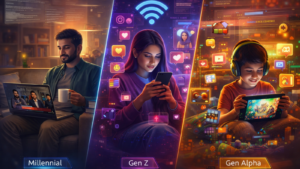

Short answer: Indian couple creators are winning Gen Z by turning everyday relationship moments into short, relatable comedy. With short-form video now over 70% of Gen Z’s daily content consumption in India, duos like Varsha Shukla and Aditya Vashisht, Maggi and Devansh, and Taran and Swati are leading the shift from aspirational influencers to honest, culturally familiar humour.
Scroll through Indian Instagram or YouTube Shorts for five minutes, and you’ll stumble upon a husband-wife duo playfully arguing over food, mimicking in-law drama, or exaggerating the absurdities of married life. These moments aren’t random. They’re part of a growing wave of Indian couple creators who have turned everyday relationships into relatable comedy, and Gen Z can’t get enough.
In a digital ecosystem crowded with influencers, these couples stand out not because of flashy production or scripted perfection, but because of something more powerful: familiarity.
Why is couple comedy rising on Indian social media?
Comedy has always thrived on observation. What’s changed is who is observing and how they’re sharing it.

Indian couple creators tap into universally understood moments: diet plans that last one day, arguments that start small and escalate, or the silent language couples develop over time. Instagram Reels and YouTube Shorts have amplified this genre, rewarding content that feels quick, authentic, and emotionally recognisable.
According to industry estimates, short-form video now accounts for over 70% of Gen Z’s daily content consumption in India, making it the ideal playground for bite-sized humour rooted in real life.
Who are the Indian couples making Gen Z laugh?
Varsha Shukla and Aditya Vashisht

This Delhi-based duo has mastered domestic comedy. Their sketches explore diet culture, everyday laziness, and married banter with sharp timing and understated sarcasm. What makes their content work is its honesty. Nothing feels staged, even when clearly scripted.
Kanupriya Gupta and Rohit Sukheja

Coming from different professional backgrounds, Kanupriya and Rohit blend performance with lived experience. Their twist-ending sketches often start predictably and end with a comic surprise, mirroring how real arguments or conversations play out.
Taran and Swati
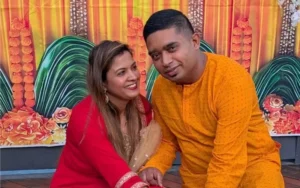
Known for family-friendly, Hindi-first humour, Taran and Swati focus on culturally rooted moments: morning routines, fasting days, and small misunderstandings that feel distinctly desi. Their simplicity is their strength.
Vishnu Kaushal and Diksha Rawat

Blurring the line between lifestyle and comedy, this couple adds humour to everyday observations. Their content feels conversational, as if the audience is overhearing a private joke rather than watching a performance.
Maggi and Devansh
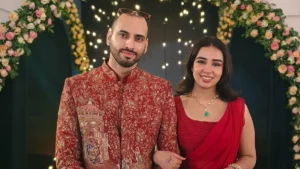
Short, punchy, and instantly relatable, Maggi and Dev’s sketches often compress an entire relationship dynamic into 30 seconds. It’s fast comedy designed for fast scrolling.
Vaishali and Anand

Warmth defines their content. Their humour leans on teasing, festivals, and daily rituals, making their videos feel like a familiar sitcom episode rather than a viral reel.
Why does Gen Z relate so deeply to couple creators?
Relatability over aspiration
Unlike older influencer culture that focused on “perfect” couples, these creators thrive on imperfections. Gen Z prefers honesty over aspiration, and couple comedy delivers exactly that.
Short-form, high impact
With attention spans shrinking, these creators understand pacing. A clear setup, a quick conflict, and a sharp punchline, all within seconds.
Cultural familiarity
Whether it’s Hindi one-liners, family dynamics, or marriage stereotypes, cultural context adds depth. Viewers don’t just laugh. They recognise themselves.
A 2023 digital media study noted that content reflecting lived cultural experiences sees nearly 2x higher share rates among Indian Gen Z users, explaining why these videos travel so fast.
Are couple creators more than just comedians?
These creators are subtly reshaping digital storytelling. Many brands now collaborate with couple creators because they offer something ads can’t: trust built through intimacy. When humour comes from real relationships, audiences listen.
On a personal note, it’s hard not to see echoes of your own life in these videos, the half-arguments and half-jokes that make up most relationships. That familiarity is comforting, especially in an increasingly curated online world.
What does this say about Indian social media?
Couple creators aren’t just a content trend. They reflect how Indian social media is maturing. Audiences are gravitating toward stories that feel lived-in, not manufactured.
As platforms evolve and algorithms change, one thing seems clear: authentic chemistry will always outperform perfect scripting.
In a country where humour has long been rooted in family and relationships, it’s fitting that some of India’s funniest stories are now being told by couples, together, one reel at a time.
Next time you laugh at a 30-second couple sketch, remember: you’re not just watching content. You’re watching modern Indian storytelling unfold.
FAQs on Indian couple creators and Gen Z
Who are the most popular Indian couple comedy creators?
Some of the most popular Indian couple creators include Varsha Shukla and Aditya Vashisht, Kanupriya Gupta and Rohit Sukheja, Taran and Swati, Vishnu Kaushal and Diksha Rawat, Maggi and Devansh, and Vaishali and Anand.
Why does Gen Z in India love couple creators?
Gen Z values honesty over aspiration. Couple creators use imperfection, cultural familiarity, and quick punchlines, which feel more real than traditional influencer content.
How big is short-form video in Gen Z India?
Industry estimates suggest short-form video now accounts for over 70% of Gen Z’s daily content consumption in India.
Why do brands partner with couple creators?
Brands collaborate with couple creators because their relationship-based humour builds trust through intimacy, which traditional ads struggle to replicate.
Do culturally rooted videos perform better on Indian social media?
Yes. A 2023 digital media study noted that content reflecting lived cultural experiences sees nearly 2x higher share rates among Indian Gen Z users.