Short answer: TheYouthTalks surveyed 1,000+ Indian Gen Z gamers (mostly 18-25). Mobile dominates, over 40% play daily, and 70% play with friends. More than 50% have made lasting friendships through games. Gaming is less about escape and more about emotional regulation, community, and identity, with VR, cross-platform play, and narrative indie games topping the wishlist.
From pastime to parallel universe
Once dismissed as a time-killer or teen obsession, gaming has grown into a cultural cornerstone for Gen Z. For today’s youth, it isn’t just entertainment. It’s identity, expression, an emotional sanctuary. Glowing screens have replaced playgrounds, Discord servers have replaced hangouts, and the gaming world has become Gen Z’s most vibrant neighbourhood.
At TheYouthTalks, we surveyed over 1,000 Gen Z gamers across India to understand what drives this generation’s obsession with pixels and power-ups. What came back wasn’t just a dataset, it was a portrait, painted with passion, community, and digital grit. From daily gaming rituals to virtual friendships that feel more real than many IRL bonds, Gen Z is rewriting the rules of what it means to play.
Who are India’s Gen Z gamers?
Most of our respondents sat between 18 and 25. A demographic living between college assignments, social media reels, and virtual battlefields. These young adults represent a broad spectrum of gender identities and describe themselves as semi-active. They balance the digital and physical worlds with finesse.
Gaming isn’t an occasional indulgence for them. It’s stitched into the fabric of daily life. Whether they’re battling zombies, building pixelated empires, or racing through cityscapes, gaming is a key form of decompression. A structured escape in an unstructured world.
“Gaming helps me breathe after a long day. It’s not just fun, it’s how I process stress.”
— 22-year-old gamer from Pune
Which platforms do Indian Gen Z gamers prefer?
Accessibility shapes behaviour, and Gen Z’s gaming choices are no exception. According to our survey:
- Mobile gaming dominates, followed by PC/laptop and consoles.
- Mobile games win on affordability, portability, and social convenience.
A college student summed it up:
“Mobile is always with me. I can play anywhere, even in the canteen or while waiting for a cab.”
Consoles like PlayStation and Xbox are seen as aspirational but stay less common because of the price tag. PC gaming sits in the middle, often blending in with academic or professional routines.
How often do they play?
When it comes to frequency, Gen Z doesn’t dabble in gaming. They dive in regularly:
- Over 40% play daily.
- Most game for 1-2 hours per session, though 20% confessed to marathon stretches over 3 hours.
The time spent gaming isn’t random. For many, it starts as a “quick break” and turns into a full-blown quest. One student told us:
“I tell myself 30 minutes, and suddenly it’s midnight. But it doesn’t feel like time wasted, I feel recharged.”
What do they play, and why?
Gaming genres are as diverse as the players. Here’s what tops the charts:
- First-Person Shooters (FPS) and Open World Adventures rule the roost.
- Story-based games and Multiplayer Battle Arenas come next.
But why they play is just as telling:
- To relax and destress
- To connect with friends
- To compete and improve skills
This generation isn’t just escaping, they’re expressing. Games are the new canvases where players design avatars, make moral choices, and live through emotional arcs that rival cinema or literature.
“I play for the story, not just the shooting. Sometimes, it feels like I’m living another life.”
— 19-year-old narrative game enthusiast
Is gaming really social for Gen Z?
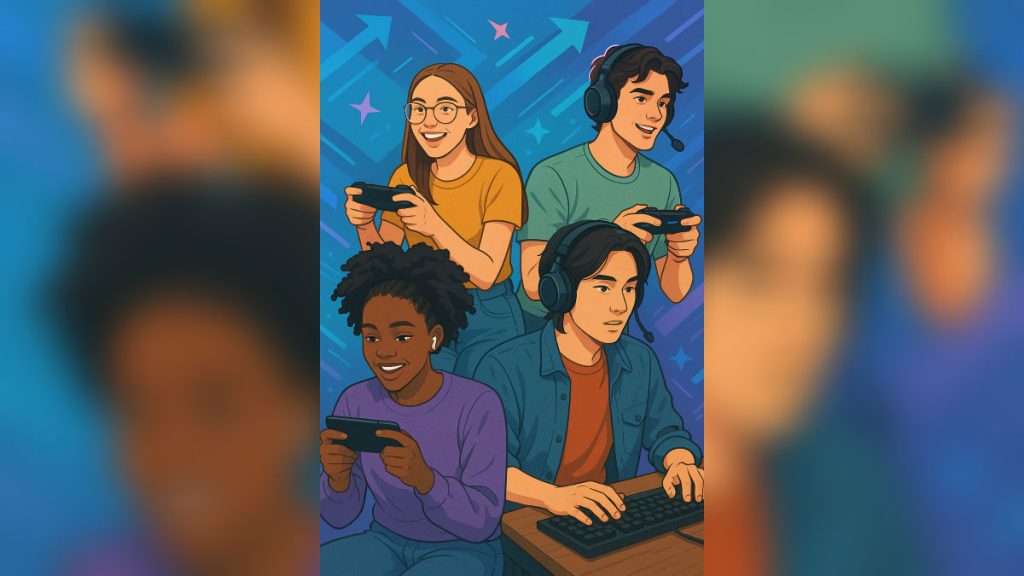
Forget the stereotype of the lonely gamer in a dark room. Gen Z’s gaming is deeply social:
- 70% play with friends, often coordinating on Discord or in-game chats.
- Over 50% have made lasting friendships with people they met through gaming. Many of whom they’ve never met in person.
“I met my best friend in Valorant. We’ve never seen each other’s faces, but we talk every day.”
These aren’t fleeting bonds. Many respondents said their gaming friendships helped them through anxiety, loneliness, or even grief. Virtual connections turn into real emotional support.
How does gaming shape Gen Z’s mental health?
Gaming doesn’t only impact fingers and reflexes. It touches hearts and minds. When asked how they felt after a good session:
- Most picked words like “relaxed,” “happy,” “calm,” and “motivated.”
- A few flagged feelings of guilt, especially when gaming cut into studies or chores.
The duality reflects a mature understanding. Gen Z knows their emotional relationship with gaming is complex. It’s not always about addiction, sometimes it’s about emotional regulation.
“Gaming got me through my breakup. It gave me something to focus on.”
— 21-year-old from Bengaluru
What makes a game great for Gen Z?
When picking favourites, Gen Z doesn’t go for the shiniest package. They want depth, interactivity, immersion. The most valued features:
- Graphics and visual storytelling
- Fluid gameplay mechanics
- Multiplayer capacity
- Community or guild-based interaction
And on trends, Gen Z is excited about:
- Virtual Reality (VR) for deeper immersion
- Cross-platform gaming that blurs device boundaries
- Narrative-driven indie games that prioritise story over spectacle
For this audience, dopamine hits aren’t enough. They want meaningful design. Games that make them feel, not just win.
How does Gen Z discover new games?
Unlike older generations who relied on official trailers or magazine reviews, Gen Z finds games through:
- YouTube streamers
- Instagram meme pages
- Reddit threads
- Friend recommendations
- Discord discussions
Streamers and influencers have become trusted guides. A hilarious meme, a dramatic clip, or a streamer’s live reaction often becomes the gateway to a new title.
“If my favourite streamer plays it, I’ll try it. Simple as that.”
Gaming as therapy, creativity, and community
When asked why gaming matters, responses included words like:
- Escape
- Creativity
- Mental peace
- Connection
- Self-expression
- Fun
Gaming is more than an activity. It’s a coping mechanism, a creative outlet, and a social ecosystem. For many, it’s where they feel most seen and most free.
What about classic games like Mario and Contra?
We also asked about the classics. Mario, Roadrash, Contra. Surprisingly, Gen Z doesn’t write them off as relics. They regard them with nostalgia and respect.
Many said these games had “soul.” An honest simplicity that modern titles sometimes lack. They’re not just vintage. They’re vintage with value.
“Contra was harder than any game I play now. It taught patience, and rage.”
Final level: if you want to know Gen Z, play with them
To understand Gen Z, stop talking about them and start playing with them. This generation isn’t gaming in isolation. They’re building worlds, crafting identities, nurturing friendships, and processing real-life emotions, all through digital landscapes.
For educators, brands, parents and creators, this opens a real opportunity:
- Educators can use game-based learning tools to enhance engagement.
- Brands can tap into game culture authentically through community events, influencer partnerships, or in-game advertising.
- Parents can see gaming not as a distraction, but as a window into their child’s emotional and social world.
Gaming is their language. It’s how they chill, bond, create, cope. So if you truly want to connect, grab a controller, enter their world, and let the games begin.
FAQs about Gen Z gaming culture in India
How many Indian Gen Z gamers play daily?
According to TheYouthTalks survey of 1,000+ gamers, over 40% play daily. Most sessions run 1-2 hours, but roughly 20% admit to marathon stretches longer than 3 hours. Daily play is closer to a routine than an indulgence for this cohort.
Which gaming platform do Indian Gen Z prefer?
Mobile gaming dominates, followed by PC/laptop and then consoles. Affordability, portability, and social convenience drive the mobile-first habit. Consoles like PlayStation and Xbox stay aspirational because of the price point.
Do Gen Z gamers actually make real friends through games?
Yes. 70% play with friends and over 50% have built lasting friendships through gaming, often with people they have never met in person. Many credit these online bonds with helping them through anxiety, loneliness, and grief.
What gaming genres are most popular with Indian Gen Z?
First-Person Shooters and Open World Adventures top the charts, followed by story-based games and Multiplayer Battle Arenas. Players want depth, immersion, and narrative, not just dopamine hits or flashy graphics.
How does Gen Z discover new games?
Through YouTube streamers, Instagram meme pages, Reddit threads, friend recommendations, and Discord discussions. Streamer playthroughs and viral clips have replaced trailers and magazine reviews as the main discovery engine.