
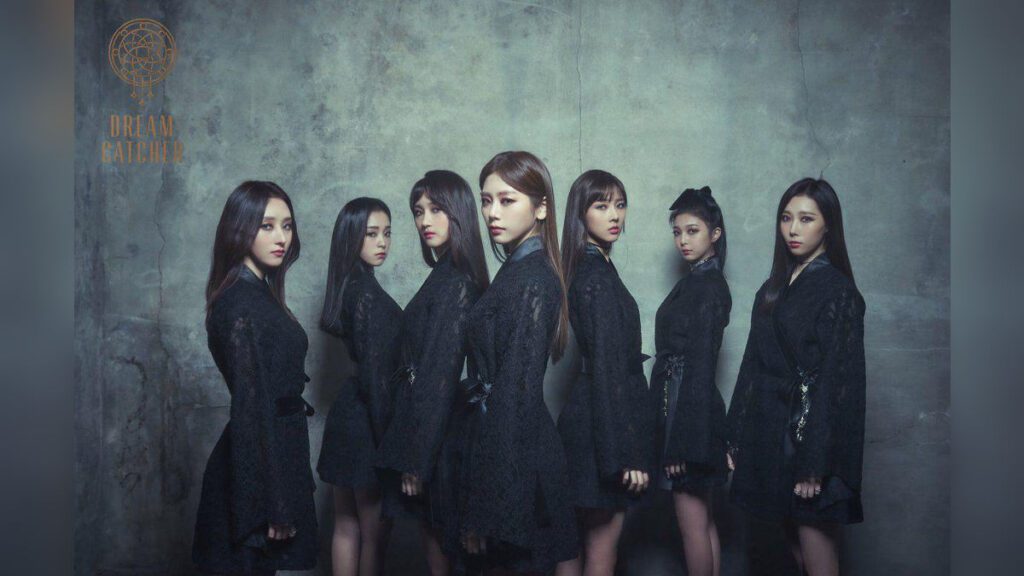
Short answer: K-Pop has become a global youth movement because Gen Z connects with its visual storytelling, relatable themes, and fandom culture. Groups like BTS and BLACKPINK, plus fandoms such as ARMY and BLINKS, have turned K-Pop into a multibillion-dollar industry that shapes music, fashion, and identity worldwide.
If you ask any Gen Z teenager about their current playlist, chances are at least one K-Pop song is on it. From BTS filling stadiums to BLACKPINK dominating Coachella, K-Pop is no longer just Korean pop music; it is a worldwide cultural movement. For Gen Z, K-Pop is not only about catchy beats and stylish performances. It is also about belonging, identity, and global connection.
Why did Gen Z fall in love with K-Pop?
Visual storytelling: K-Pop isn’t only about the music. Every song comes with high-budget music videos, elaborate choreography, and storylines that fans can dive into.
Relatable themes: Songs often explore self-love, mental health, friendship, and chasing dreams, issues Gen Z connects with deeply.
Global accessibility: Platforms like YouTube, TikTok, and Spotify made K-Pop instantly available worldwide. Gen Z doesn’t need to know Korean to vibe with the music.
What is K-Pop fandom culture?
ARMY, BLINKS, and more: Fans don’t just listen. They organise, trend hashtags, fundraise, and build an entire community.
Social media power: TikTok dance challenges and Instagram reels spread K-Pop content like wildfire.
Merch and lifestyle: Lightsticks, albums, photocards, and idol-inspired fashion have become part of youth culture globally.
For many Gen Z fans, being part of a fandom is like joining a digital family.

How big is the K-Pop economy?
K-Pop isn’t only music. It is a multibillion-dollar industry. For Gen Z:
Concerts become once-in-a-lifetime experiences.
Merchandise collections turn into investments.
Streaming records become competitions among fandoms.
This commercial side shows how deeply Gen Z commits to supporting their idols, turning passion into economic power.
How does K-Pop compare with other youth movements?
Like anime or gaming, K-Pop is more than entertainment. It is culture. Anime builds imagination, gaming builds digital worlds, and K-Pop builds global communities. For Gen Z, these aren’t separate. They overlap. Anime edits use K-Pop songs, and gaming streams feature idol playlists. It is all part of the cross-cultural identity Gen Z is shaping.
What is the flip side of K-Pop?
There are downsides too:
Intense pressure on idols: Behind the glamour, K-Pop stars face grueling schedules and strict rules.
Fan wars: Sometimes passionate fandoms turn toxic with online conflicts.
Over-commercialisation: Critics argue that some of K-Pop is manufactured to maximise profit.
Gen Z fans are aware of these issues. Many speak out, pushing for better treatment of idols and healthier fan communities.
Why does K-Pop matter for Gen Z’s future?
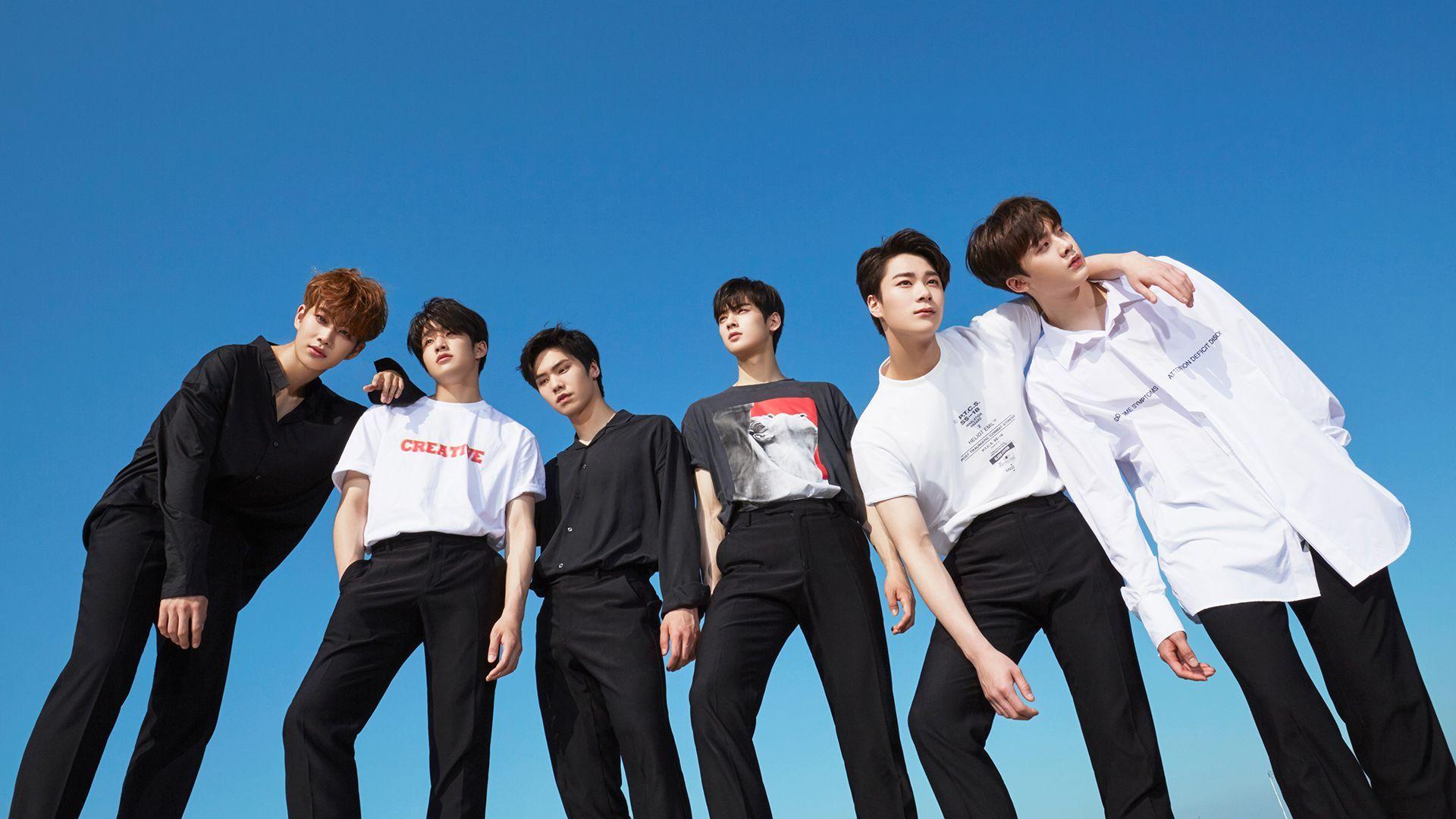
K-Pop represents more than music. It is proof that youth culture knows no borders. A song in Korean can top U.S. charts, a choreography can trend in India, and a fan can connect with someone halfway across the world through a shared bias.
For Gen Z, K-Pop is shaping fashion, music tastes, mental health conversations, and career choices. Many young people now dream of becoming content creators, dancers, or music producers because of K-Pop.
K-Pop as a global youth movement
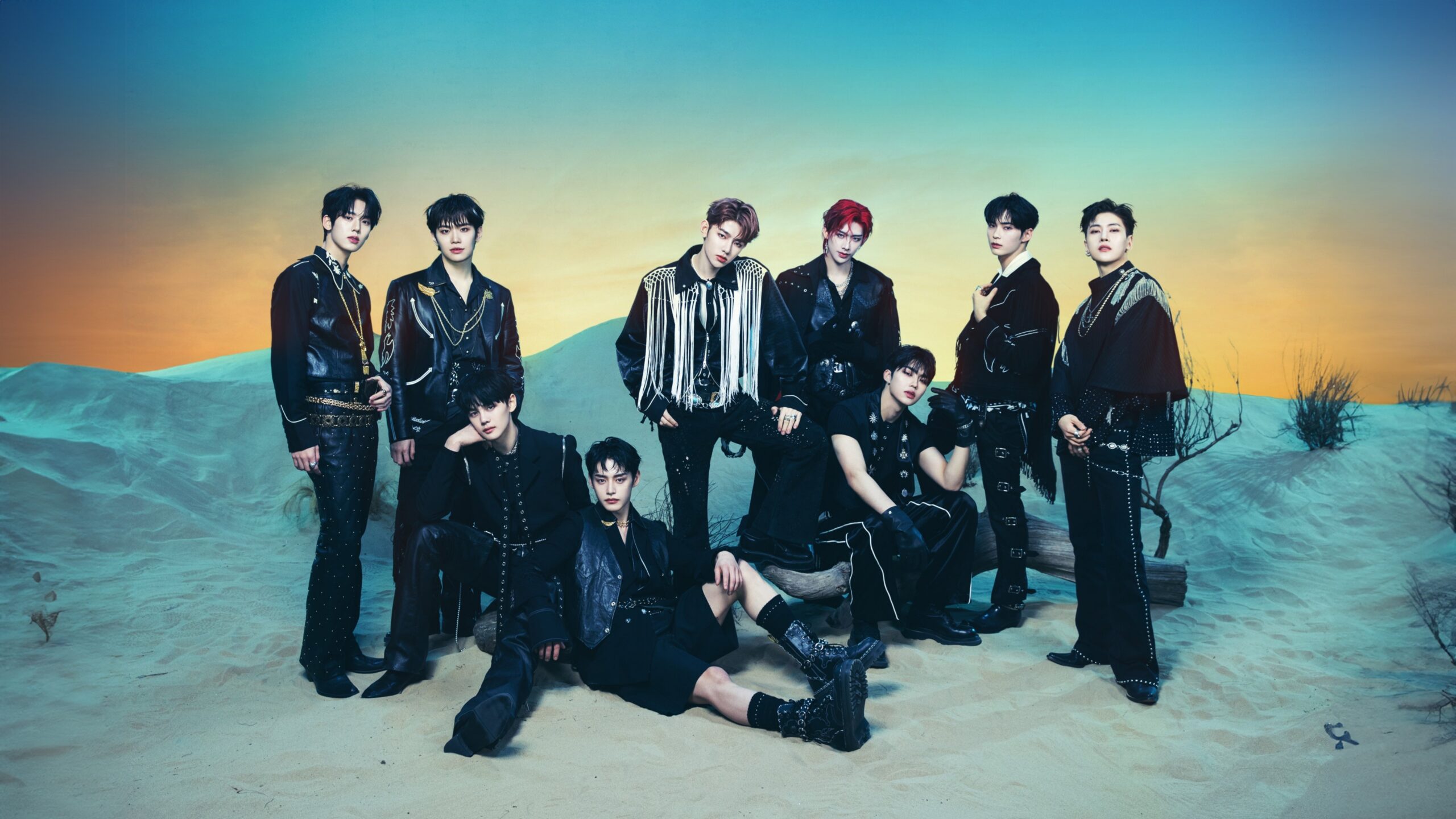
K-Pop isn’t a trend. It is a global youth movement. It blends music, storytelling, fashion, and fandom into one powerful cultural force. For Gen Z, it offers entertainment, a sense of belonging, and a stage to express who they are.
As the future unfolds, one thing is clear: K-Pop will remain a loud, colourful, and unshakable part of Gen Z’s identity.
FAQs on K-Pop and Gen Z
Why is K-Pop so popular with Gen Z?
Gen Z connects with K-Pop’s visual storytelling, elaborate choreography, and themes like self-love, mental health, friendship, and chasing dreams. Platforms like YouTube, TikTok, and Spotify make it easy to discover K-Pop without knowing Korean.
What are ARMY and BLINKS in K-Pop?
ARMY is the official fandom of BTS, and BLINKS is the fandom of BLACKPINK. These communities organise, trend hashtags, fundraise, and create global networks around their favourite groups.
Is K-Pop really a multibillion-dollar industry?
Yes. K-Pop is a multibillion-dollar industry that covers concerts, merchandise like lightsticks, albums, and photocards, and streaming competitions between fandoms.
What problems does the K-Pop industry face?
K-Pop idols face grueling schedules and strict rules. Fandoms can sometimes turn toxic through fan wars, and critics say parts of K-Pop are over-commercialised and manufactured to maximise profit.
How is K-Pop influencing Gen Z in India?
K-Pop choreographies trend in India, anime edits use K-Pop songs, and gaming streams feature idol playlists. K-Pop shapes fashion, mental health conversations, and career ambitions in content creation, dance, and music production.