
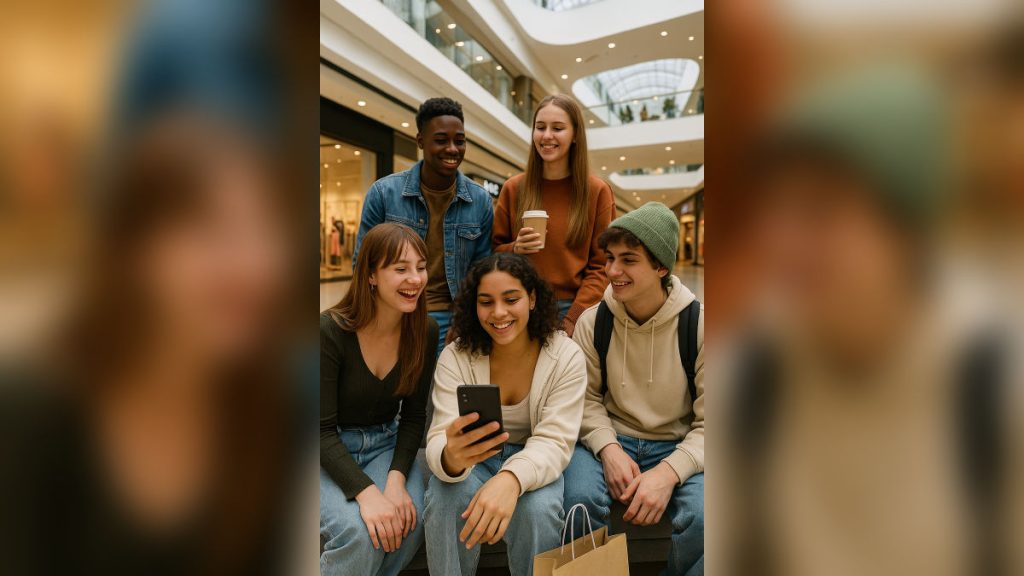
Short answer: Indian Gen Z is reclaiming the shopping mall as their “third place,” a neutral, semi-private social ground between home and street. They use it for affordable hangouts (movies under Rs 200 on weekdays), low-stakes dating, content creation, and AC escape from the heat. Malls in Pune, Noida, Mumbai and Hyderabad are responding with VR arcades, pop-ups, wellness hubs, and Insta-worthy installations.
In an era owned by digital screens, hyper-connectivity, and instant gratification, India’s Generation Z is quietly reclaiming a physical space that once seemed destined to fade. The shopping mall. But these are no longer just air-conditioned buildings full of retail outlets. They’re evolving into the “third place” for a generation hunting safety, self-expression, and a bit of social serendipity. Whether it’s a group of teens choreographing a dance near the escalators or a first date unfolding over iced coffee, malls today are buzzing with new meanings for a new generation.
Why are malls Gen Z’s new social sanctuaries?
From shopping hub to social club

Gone are the days when malls were primarily weekend destinations for family outings or pre-pandemic shopping sprees. For Gen Z, especially in Indian metro and tier-2 cities, malls offer a neutral, semi-private social ground. Not quite as personal as someone’s home, nor as chaotic as public parks or streets.
Walk into a mall in Pune or Noida on a random weekday afternoon and you’ll find:
- A group of students debriefing after coaching classes
- A couple giggling over boba tea
- A solo 17-year-old journaling by the window of a cafe
These scenes, increasingly common, point to malls being seen as safe zones. A place where you can be seen, yet anonymous; where you can blend in, yet belong.
What’s pulling Gen Z to malls?

1. Affordable freedom
Malls offer budget-friendly access to leisure. With student discounts at food courts, shareable combo meals, and movies available under Rs 200 on weekdays, Gen Z can hang out without overspending. Splitting a dessert at Starbucks or window-shopping at H&M without the pressure to buy provides the right balance of independence and fun.
“It’s the one place my parents don’t constantly text me to check in,” says Ananya, 19, a college student in Bengaluru. “I feel free but not unsafe.”
2. Low-stakes dating zone
In a culture where dating still carries social stigma in many households, malls have emerged as soft dating spots. The open, public nature provides a sense of security, and the variety of activities, from watching a movie to sharing fries, helps avoid awkward silences.
If the vibe isn’t right, there’s an easy exit. No emotional investment or dramatic walkouts required. As one Delhi teen puts it, “It’s not like being stuck in a three-hour dinner. A loop around the mall is enough to know if there’s chemistry.”
3. Content creation central
Instagram-worthy corners. Neon-lit walkways. Mirror walls. Malls are aesthetic playgrounds for Gen Z creators. Reels get filmed by the Zara glass doors. OOTDs are captured on rooftop parking lots. With strong Wi-Fi and spacious interiors, they’re content labs without the studio cost.
4. Climate-controlled independence
India’s summer heat can be unforgiving. For Gen Z, especially those with strict curfews or limited home mobility, malls offer air-conditioned loitering. A simple joy of hanging out without sweating buckets or battling traffic.
How are malls evolving to keep Gen Z?

Malls aren’t passively watching this youth wave roll in. They’re strategically adapting to meet Gen Z’s expectations.
Experience over product
This generation doesn’t just want to shop. They want to feel. Malls are responding by adding escape rooms, VR arcades, open mic nights, and live music corners. Phoenix Marketcity in Mumbai recently hosted a Gen Z fashion pop-up with DIY zones, graffiti walls, and sustainability-themed art installations.
“We noticed that Gen Z wants more than transactions, they want stories,” says a mall event manager in Hyderabad.
Personalised tech
From AI-driven apps that recommend shops based on browsing history to gamified loyalty programs, malls are stepping into tech territory to offer customised experiences. QR-code-based scavenger hunts, real-time parking updates, and digital coupons have become the norm.
Insta-friendly environments
Knowing Gen Z’s love for shareable moments, malls are investing in visually captivating spaces. Selfie zones, kinetic art, glass lifts, rooftop views. The goal? Encourage shoppers to post, tag, and promote their visit organically.
A quiet cultural shift in motion
This shift isn’t loud or radical. It’s subtle and symbolic. Across India, malls are becoming safe havens for romantic exploration, queer visibility, community building, and soft rebellion.
You’ll find:
- LGBTQ+ teens on their first public coffee meet
- Young artists sketching quietly in food courts
- Dance crews rehearsing for their next viral Reel
- Therapy booths and mental health awareness pop-ups
Some malls are even hosting wellness hubs, with yoga studios, plant-based cafes, and journaling corners, catering to Gen Z’s growing interest in mental health and mindfulness.
So, are malls Gen Z’s new dating venues?

The answer seems to be yes, with a twist. Malls today aren’t just backdrops to teenage crushes. They are microcosms of modern identity, reflecting a generation’s desire for autonomy, aesthetics, and authenticity.
In cities like Chennai and Chandigarh, teens use malls not to hide but to reveal. Who they are, what they believe in, how they connect. Dating here isn’t only romantic. It’s platonic, digital, experimental, and fluid.
A call to observe, not just shop
As malls keep morphing into cultural spaces, the question isn’t whether they’ll survive the e-commerce boom, but whether they’ll keep up with the emotional and experiential needs of Gen Z. The smart ones already are.
Next time you step into a mall, look beyond the mannequins and sale boards. You might just witness a coming-of-age story unfold by the donut kiosk, or a quiet revolution in identity echoing through the escalators.
Because for India’s Gen Z, malls aren’t about retail therapy. They’re about real-time self-discovery.
FAQs about Gen Z and malls in India
What is a “third place” and why are malls becoming one for Gen Z?
A third place is a social space outside the home (first place) and school or workplace (second place). For Indian Gen Z, malls fit perfectly because they offer a neutral, semi-private setting that feels safe but anonymous. Air-conditioning, food courts, and student-friendly pricing seal the deal.
Why are Indian Gen Z using malls for dating?
Malls work as low-stakes dating spots in a culture where dating still carries social stigma. The public setting offers safety, the activities like movies or food courts cut down on awkward silences, and either person can leave easily if the chemistry isn’t there. No three-hour dinner trap.
How are malls in India adapting to Gen Z customers?
By shifting from product to experience. Phoenix Marketcity in Mumbai has hosted Gen Z fashion pop-ups with DIY zones and graffiti walls. Other malls are adding VR arcades, escape rooms, open mic nights, AI-driven recommendation apps, QR-code scavenger hunts, and Insta-friendly selfie zones.
Are malls in India safe spaces for LGBTQ+ Gen Z?
Increasingly yes. Malls have quietly become safe havens for queer visibility, romantic exploration, and community building. You’ll find LGBTQ+ teens on their first public coffee meet, alongside therapy booths and mental health awareness pop-ups in cities like Pune, Noida, Chennai and Chandigarh.
Will malls survive the Indian e-commerce boom?
The smart ones are already proving it’s possible. Survival isn’t about competing with online shopping on price, it’s about meeting Gen Z’s emotional and experiential needs. Wellness hubs, plant-based cafes, content-creation corners and live experiences keep malls relevant in ways Amazon can’t replicate.