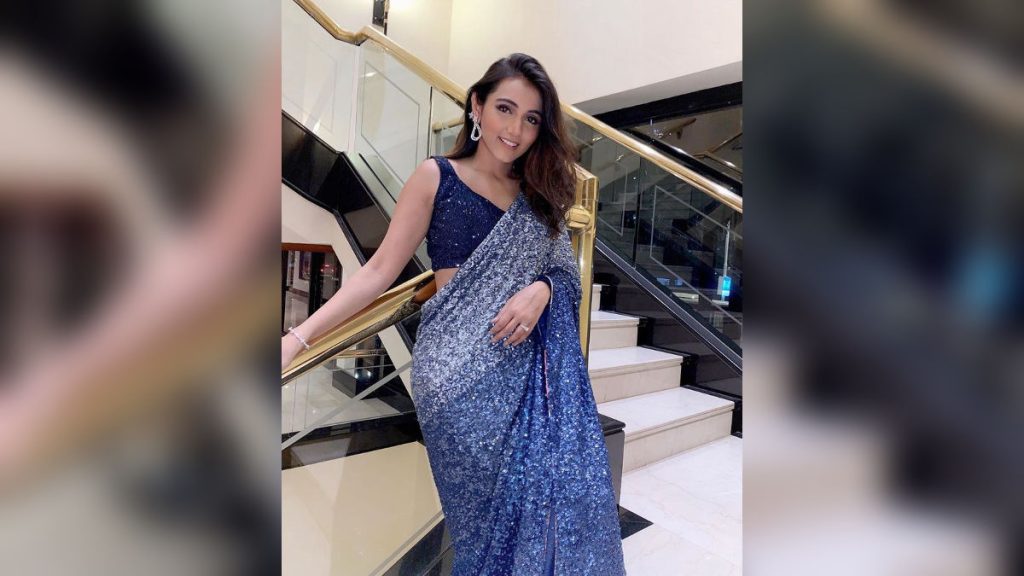
Short answer: Masoom Minawala is one of India’s most globally recognised fashion influencers. She started her blog Style Fiesta in 2010, became the first Indian content creator to walk Milan Fashion Week, and now has over 1.3 million Instagram followers and a ~3.8% engagement rate. She’s worked with Louis Vuitton, Dior, Bulgari, Sabyasachi and Anamika Khanna, and was featured in Forbes 30 Under 30 Asia.
In the always-shifting world of fashion and social media, Masoom Minawala stands as one of India’s most prominent and globally recognised influencers. From her early blogging days to strutting down the runways of Paris and Milan, Masoom has turned herself into a global ambassador for Indian fashion, representing not just brands, but an entire cultural identity.
This is the story of how a girl from Mumbai became an international fashion powerhouse, inspiring millions while bridging Indian tradition and global style trends.
Who is Masoom Minawala?
Masoom’s journey began in 2010, when the influencer industry was barely taking shape in India. She started with her fashion blog Style Fiesta, a personal platform to share styling tips, fashion finds and inspiration.
Her keen eye for trends, her ability to mix high-street fashion with couture, and her authentic storytelling set her apart fast. While many bloggers focused only on Western fashion, Masoom fearlessly built Indian designers, textiles, and heritage wear into her looks. That authenticity became her signature.
“Fashion is my medium of self-expression, and I want it to represent my roots as much as my personality,” she once said in an interview.

How did Masoom Minawala break into international fashion weeks?
Masoom’s big break came when invitations started arriving from Paris, Milan, and London Fashion Weeks. Not just as a guest. As a sought-after front-row influencer.
Her presence at these global events was significant. Until then, Indian representation at these high-profile gatherings was rare, often limited to Bollywood celebrities, and Masoom’s appearances were a statement: Indian fashion voices belong on the global stage.
She made headlines when she wore Sabyasachi and Anamika Khanna creations to Paris Fashion Week, pairing them with luxury accessories from European brands. The combination was fresh, disruptive and distinctly hers.

Which brands has Masoom Minawala collaborated with?
Over the years, Masoom has collaborated with a who’s who of luxury fashion brands. From Louis Vuitton, Dior, and Bulgari to high-street favourites like H&M and Mango.
Brands are drawn to her not only for her impeccable style but for her storytelling ability and loyal audience. With over 1.3 million Instagram followers and a highly engaged community, her posts often outperform those of bigger influencers on engagement rate.
Her campaigns frequently spotlight Indian artisanship alongside global trends, which makes the collaborations feel authentic rather than purely commercial.
Why does she matter for the rise of Indian influencers?
Masoom’s success is part of a bigger shift, the rise of Indian-origin influencers dominating global markets. As the Indian diaspora grows more visible, influencers like her are breaking into spaces traditionally dominated by Western voices.
From New York’s social circuits to Milan’s runways, Indian representation is expanding. And Masoom’s presence is showing brands the value of cultural diversity in fashion marketing.
How is she breaking stereotypes in fashion?
One of Masoom’s most powerful contributions has been challenging outdated perceptions of Indian fashion.
She consistently proves that Indian outfits can be as modern and high-fashion as any European couture piece. Whether it’s a silk sari paired with Louis Vuitton boots or a lehenga styled for a fashion week street look, she makes a compelling case for blending tradition with global aesthetics.
This ability to merge heritage with contemporary fashion has made her a unique cultural ambassador, introducing global audiences to the richness of Indian textiles, embroidery and craftsmanship.

Beyond influencing: entrepreneur and investor
Beyond influencing, Masoom is also an entrepreneur. She has invested in fashion-tech and e-commerce ventures, and frequently advocates for digital-first strategies in fashion retail.
Her business acumen shows in how she manages her brand. Diversifying income streams, building long-term collaborations, holding her positioning as a premium influencer.
A voice for women in business
Masoom has also emerged as a motivational figure for women entrepreneurs and creators. She frequently speaks at events like the World Economic Forum, TEDx talks and industry panels, sharing her journey and pushing women to take charge of their careers.
She often discusses the importance of financial independence, the challenges of working in a still-evolving Indian influencer market, and the need for global visibility for Indian talent.

How many followers does Masoom Minawala have?
Instagram followers: 1.3M+
Engagement rate: Above industry average at ~3.8%
Countries represented: Over 15 fashion weeks attended globally
Brand collaborations: 200+ international and Indian brands
Awards: Featured in Forbes 30 Under 30 Asia, GQ’s Most Influential Young Indians

What is Masoom Minawala’s advice for aspiring influencers?
Masoom often shares practical advice for upcoming creators:
Stay authentic: “Trends will change, but your personal brand is your strongest asset.”
Learn the business: Understanding contracts, analytics and brand positioning is as important as creating good content.
Invest in quality: From photography to styling, quality is what sets you apart in a crowded market.
Represent your roots: There’s a growing demand for cultural representation in global media.
More than just a fashion influencer
Masoom Minawala’s journey is more than a success story, it’s a blueprint for how Indian-origin creators can win on the global stage while staying rooted in their culture. She has turned her personal style into a platform for cultural diplomacy, building bridges between Indian craftsmanship and global fashion houses.
In a world where trends are fleeting, Masoom’s biggest achievement is proving that authenticity, cultural pride and a sharp business sense are timeless.
For young influencers dreaming of international success, Masoom is proof that the runway to global recognition begins with embracing who you truly are.

FAQs about Masoom Minawala
Who is Masoom Minawala?
Masoom Minawala is a Mumbai-born fashion influencer and entrepreneur, often described as one of India’s most globally recognised digital creators. She started the blog Style Fiesta in 2010 and now has over 1.3 million Instagram followers, with appearances at Paris, Milan and London Fashion Weeks.
How many Instagram followers does Masoom Minawala have?
Over 1.3 million, with an engagement rate of around 3.8%, well above the industry average for accounts at that scale. Brands often see her posts outperform those of larger influencers in actual engagement.
Which fashion brands has Masoom Minawala worked with?
Her collaborations include Louis Vuitton, Dior, Bulgari, H&M and Mango on the international side, plus Indian designers like Sabyasachi and Anamika Khanna. She has worked with 200+ brands across luxury and high-street segments.
What awards has Masoom Minawala received?
She has been featured in Forbes 30 Under 30 Asia and named one of GQ’s Most Influential Young Indians. She has also represented India at over 15 fashion weeks globally and become the first Indian content creator to walk the Milan Fashion Week runway.
Why is Masoom Minawala important for Indian fashion?
She has positioned Indian designers, textiles and heritage wear in front of global audiences, often pairing pieces from Sabyasachi or Anamika Khanna with European luxury accessories. That blend has helped reframe Indian fashion as modern and high-fashion, not just traditional.