
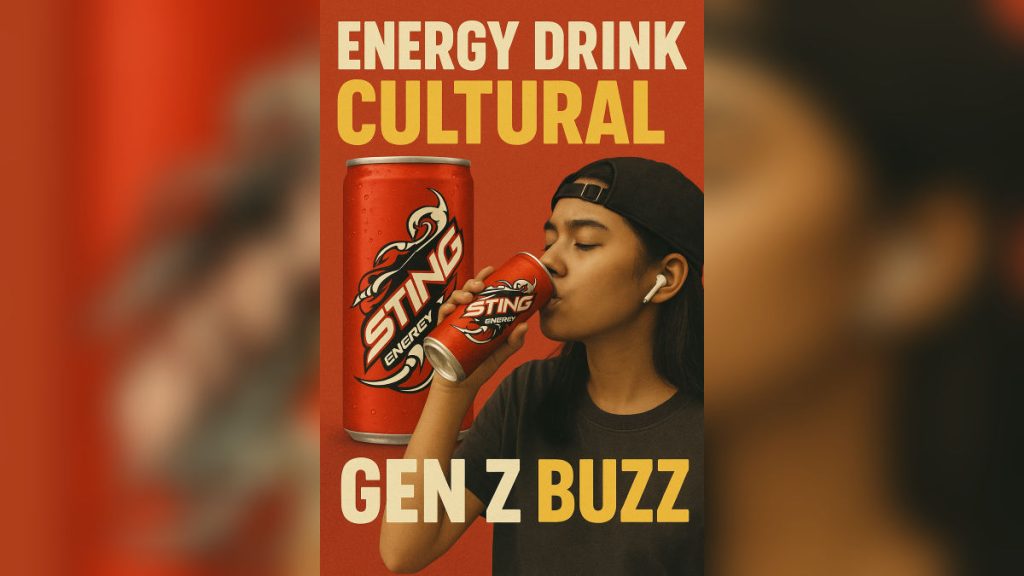
Short answer: Sting Energy Drink became a Gen Z cult favourite in India by pricing its 250 ml bottle at just Rs 20, roughly a fifth of Red Bull or Monster, and tapping the creator economy with memes, regional slang and tier-2 influencers. Our exclusive report, drawn from 1000+ respondents, found Sting’s loud red bottle, the “Energy Bole Toh Sting” tagline, and chaotic-but-friendly branding turn the drink into a badge of belonging on college campuses, gaming events and street cricket pitches.
A flashy can. A bold promise. Most energy drinks settle for one of those. Sting Energy Drink built a Gen Z following on something cheaper and louder, and it worked across India in a way Red Bull never quite cracked. What sets Sting apart isn’t caffeine content or fizz, it’s the vibe, the voice, and most importantly, the value. A bottle costs just Rs 20. The impact on youth culture? Priceless.
We spoke with 1000+ respondents and the following is what the exclusive report says. Here’s how this unassuming red drink turned into a cult favourite.
How did Sting break into a premium category on price?

One thing caught everyone’s attention first. The price tag.
At Rs 20 per bottle, Sting democratized energy drinks in India. Competing brands like Red Bull or Monster hovered around the Rs 100 mark, well out of reach for most young consumers in tier-2 and tier-3 cities. Sting made it possible for college students and school-goers to enjoy the thrill of an energy drink without burning a hole in their wallets, and that single decision rewrote the playbook.
I remember a college fest in Lucknow where every second person seemed to be holding that fiery red bottle. It wasn’t a drink. It was a statement: “I’m in the know. I belong.”
Why does Sting’s advertising actually land with Gen Z?

In an age of swipe-left attention spans, Sting’s message was refreshingly straightforward: “Energy Bole Toh Sting.” Short. Punchy. Memorable.
The ads don’t build complex narratives. They dive straight into transformation: a sleepy individual sips Sting and boom, they’re charged, confident and often hilariously over-the-top. The dramatised surge of energy makes it meme-worthy and instantly shareable.
And Gen Z doesn’t want to be told. They want to be shown, and Sting delivers, quickly and theatrically.
What’s the deal with that loud red bottle?

Visual branding matters when you’re competing for shelf space and social relevance. Sting’s vibrant red liquid and bold black-and-yellow packaging scream rebellion.
This isn’t your average soft drink trying to play it safe. It’s deliberately over-the-top, aligned with a “why fit in when you can stand out?” ethos that resonates deeply with Gen Z sensibilities. Red, after all, is the colour of passion, energy and non-conformity, everything Sting wants to be.
How did Sting tap the creator economy?
One of the smartest moves Sting made was leaning into India’s creator economy. Instead of sticking to conventional ad spots, the brand infiltrated Instagram Reels, TikTok clones and YouTube Shorts with hyperlocal content that clicked.
Think regional slang, local references and remixable audio that creators love. They roped in tier-2 influencers whose relatability brought authenticity that paid-for celebrity faces couldn’t match. The result? An explosion of memes, spoofs and skits, often user-generated, giving Sting an organic reach traditional marketing simply couldn’t buy at any price.
Why does Sting’s chaotic personality work?

Sting’s brand personality isn’t polished or aspirational in the conventional sense. It’s edgy, a little chaotic, and gloriously unserious, which makes it deeply relatable to a generation raised on irreverent content and meme culture.
It has the same zany energy Thums Up had in the 90s, or Fogg in the 2010s, but adapted for a digital-first generation. The message is plain: don’t take life too seriously, just wake up and go.
Why doesn’t Sting bother with the science?
Another genius move: not overexplaining the science behind the energy. Unlike competitors that throw around terms like “L-carnitine” or “glucuronolactone”, Sting just shows the energy rush, no biochemistry lesson required.
That simplicity adds to the brand’s authenticity. Gen Z doesn’t want jargon, they want experiences they can feel and relate to. Or rather, experiences they can post about.
Where does Sting actually meet its audience?

You’ll find Sting wherever Gen Z gathers: college fests, street cricket matches, gaming events and hyperlocal music jams. The activations aren’t flashy but felt. Free samples on college campuses, quirky photo booths at festivals, clever product placements during events, all building cultural recall.
It’s not just a drink anymore. It’s part of the Gen Z routine.
Why does the FOMO factor work for Sting?
When something is new and cool, Gen Z doesn’t want to miss out. Sting capitalised on this perfectly.
In its early days, the drink had a sort of underground cool. It wasn’t everywhere, and that made it special. Carrying a bottle of Sting or chugging it on an Insta story gave it IYKYK (If You Know, You Know) appeal. It became a badge of belonging, subtle but powerful.
One friend tries it. Then five. Before you know it, it’s the unofficial energy drink of the squad.
How does Sting compare with Red Bull and Monster?
Here’s how Sting differs from its peers:
| Brand | Vibe |
|---|---|
| Red Bull | Premium, performance-focused |
| Monster | Gamer-heavy, dark, intense |
| Sting | Street-smart, playful, and affordable chaos |
Sting doesn’t try to be elite. It wins because it’s unapologetically desi, chaotic and fun, exactly what Gen Z in India vibes with.
What’s the bigger lesson behind Sting’s rise?
At the heart of Sting’s success lies one essential truth: Gen Z connects not with products, but with experiences, identity and culture. Sting nailed this equation.
It offers:
- Value without compromise
- Aesthetic that turns heads
- Content that travels fast
- A community that feels inclusive
And all of this, wrapped in a 250 ml bottle of red liquid that costs less than a samosa at a railway station. (The price hasn’t changed. The cultural weight has.)
FAQs about Sting energy drink and Gen Z
How much does a bottle of Sting cost in India?
A 250 ml bottle of Sting Energy Drink costs Rs 20 in India, roughly a fifth of what Red Bull or Monster charge at the Rs 100 mark. That price point alone made the category accessible to college students and school-goers in tier-2 and tier-3 cities for the first time.
Why do Gen Z prefer Sting over Red Bull or Monster?
Sting wins on price, packaging and personality. The vibrant red bottle, the “Energy Bole Toh Sting” tagline, and meme-friendly ads make it feel street-smart and playful, while Red Bull stays premium and Monster stays gamer-heavy. For most Indian Gen Z, the affordability plus desi chaos is a stronger pull than performance branding.
What makes Sting’s marketing different?
Sting skips conventional ad spots and leans into the creator economy with hyperlocal Reels, Shorts and tier-2 influencer partnerships. Regional slang, remixable audio and user-generated memes give Sting organic reach that traditional marketing budgets can’t match.
Where can Gen Z usually spot Sting in real life?
Sting shows up at college fests, street cricket matches, gaming events, hyperlocal music jams and campus sampling drives. The activations aren’t flashy, they’re embedded into where Gen Z already hangs out, building cultural recall over time.
What does “Energy Bole Toh Sting” mean?
“Energy Bole Toh Sting” loosely translates to “when you say energy, you mean Sting” in Hindi-English mix. The tagline is short, punchy, easy to remember, and is plastered across Sting’s ads, packaging and social campaigns.