
Short answer: PC gaming in 2025 still speaks to Gen Z because it combines social play, self-expression, modding and streaming in one open platform. With 3.32 billion gamers worldwide, PC stays relevant through cloud streaming, ARM chips like the Snapdragon X2, and creator-friendly ecosystems — even as Gen Z spends more cautiously.
For Gen Z, gaming isn’t only a hobby. It’s culture, community and sometimes identity. Mobile games dominate quick breaks and consoles bring living-room battles, but PC gaming holds its ground as the ultimate playground. From RGB-lit setups to Discord nights, from esports arenas to cosy indie titles, the PC is more than a machine — it’s a social hub and a creative canvas. In 2025, PC gaming is evolving fast, shaped by cloud streaming, new hardware, and a generation that values freedom, self-expression and connection.
Is PC gaming still relevant in 2025?
For many, “PC gaming” conjures tower rigs, RGB lighting and frame-rate wars. In 2025 it’s far more than that. The PC remains a central hub for many young gamers, and the reasons go beyond raw performance. Console and mobile platforms continue to grow, but the flexibility, modability and open nature of PC attract a segment of Gen Z that values control, customisation and community.
Global trends back this up. There are now around 3.32 billion active gamers worldwide. Younger generations (Gen Z and Gen Alpha) increasingly engage across multiple platforms, not only consoles or phones. PC gaming is still relevant — evolving rather than disappearing.
What does Gen Z actually want from PC games?
To see why Gen Z still leans on PC, look at what they want in games.
Social and connected experiences. Many Gen Z gamers cite “connecting with friends” or “socialising” as key motivations. In one survey, 70% of Gen Z said they met people through games, and many reported forming real friendships while playing. Games with built-in voice chat, shared spaces, live events and asynchronous interactions resonate most.
Self-expression and identity. In-game avatars, custom skins, cosmetic items and aesthetics are part of how Gen Z expresses identity. One study found 57% of Gen Z gamers say they express themselves more freely in games than in real life.
Genre preferences and style. Recent data suggests Gen Z leans toward action, shooting and multiplayer genres, while also appreciating narrative, indie, cosy and hybrid titles for slower play.
Learning, challenge and agency. The study “Gen Zers’ Video Game Preferences” showed young players often see games as more than entertainment — a way to learn strategy, teamwork and new skills.
For PC gaming to keep appealing, the platform must support social, expressive, evolving and community-driven experiences.
What’s new in PC hardware and platforms in 2025?
The hardware and platform side is shifting, and those changes matter to tech-savvy Gen Z.
ARM and alternative architectures. Qualcomm recently revealed the Snapdragon X2, an Arm-based chip hitting 5 GHz with strong CPU/GPU efficiency gains. This points to a future where portable, power-efficient PCs (or hybrid devices) can handle heavier games, lowering the entry barrier.
Cloud gaming and streaming integration. As more gamers want frictionless access, cloud PC streaming on laptops, tablets and low-end devices matters more. Gen Z expects experiences to cross hardware boundaries: start a game on PC, continue on mobile, hop into a session via streaming.
Modding, UGC and open ecosystems. The ability to mod, tweak and build custom content still separates PC. Games like Cyberpunk 2077, Skyrim and Minecraft have long modding traditions. Gen Z values being co-creators, so that openness remains a hook.
Frequent updates, live ops and events. Gen Z expects a living game: seasonal events, content drops, expansions and community engagement. Developers are leaning harder on LiveOps strategies to keep players invested.

How does Gen Z pay for PC games in 2025?
Gaming isn’t only about buying a game and playing. For Gen Z, monetisation models shape habits.
Free-to-play and microtransactions. With tighter budgets, many younger players gravitate toward free-to-play models with optional cosmetics or season passes. A recent study found Gen Z (ages 18–24) spent significantly less on video games in early 2025, dropping nearly 25% year-over-year in some windows. Price sensitivity is real, and spending is more incremental.
Subscriptions and battle passes. Services like Xbox Game Pass, subscription bundles and in-game passes let players access many games with predictable cost.
Sales, bundles and indie discovery. Discounted bundles, seasonal sales and indie titles act as gateways. For many Gen Z gamers, finding something good at low cost beats a full-price AAA launch.
Monetisation balance and backlash. Aggressive monetisation such as pay-to-win or gated content is often rejected. Younger players want fairness, transparency and meaningful value.
How does community and content shape PC gaming for Gen Z?
Gaming isn’t only technology; it’s culture. PC gaming is tangled with media, community and content.
Streaming, eSports and spectator culture. A large share of Gen Z gamers are viewers too — 71% watch game-related videos or streams. Twitch, YouTube and smaller streaming spaces let players broadcast, learn, connect and build followings. eSports events often lean PC-first (for example Valorant, League of Legends, Dota) and act as aspirational benchmarks for competitive players.
Mods, fan content and creative play. PC games with mod tools, workshop features like Steam Workshop, or open APIs let fans build maps, skins and total conversions. It’s a playground for creative Gen Zers who want to make, not only consume.
Social hubs, cliques and fandoms. Discord servers, subreddits, guilds and in-game clans are essential. Players play with friends more than against the system. Meeting friends through games is common: one study found 70% of Gen Z met people they wouldn’t otherwise have met through video games.
Identity, aesthetics and metaverse crossover. Virtual environments are platforms for self-expression and social presence. The metaverse concept resonates with younger gamers who see digital realms as extensions of identity.
What are the trade-offs and friction points?
PC gaming offers a lot, but it comes with friction that Gen Z feels.
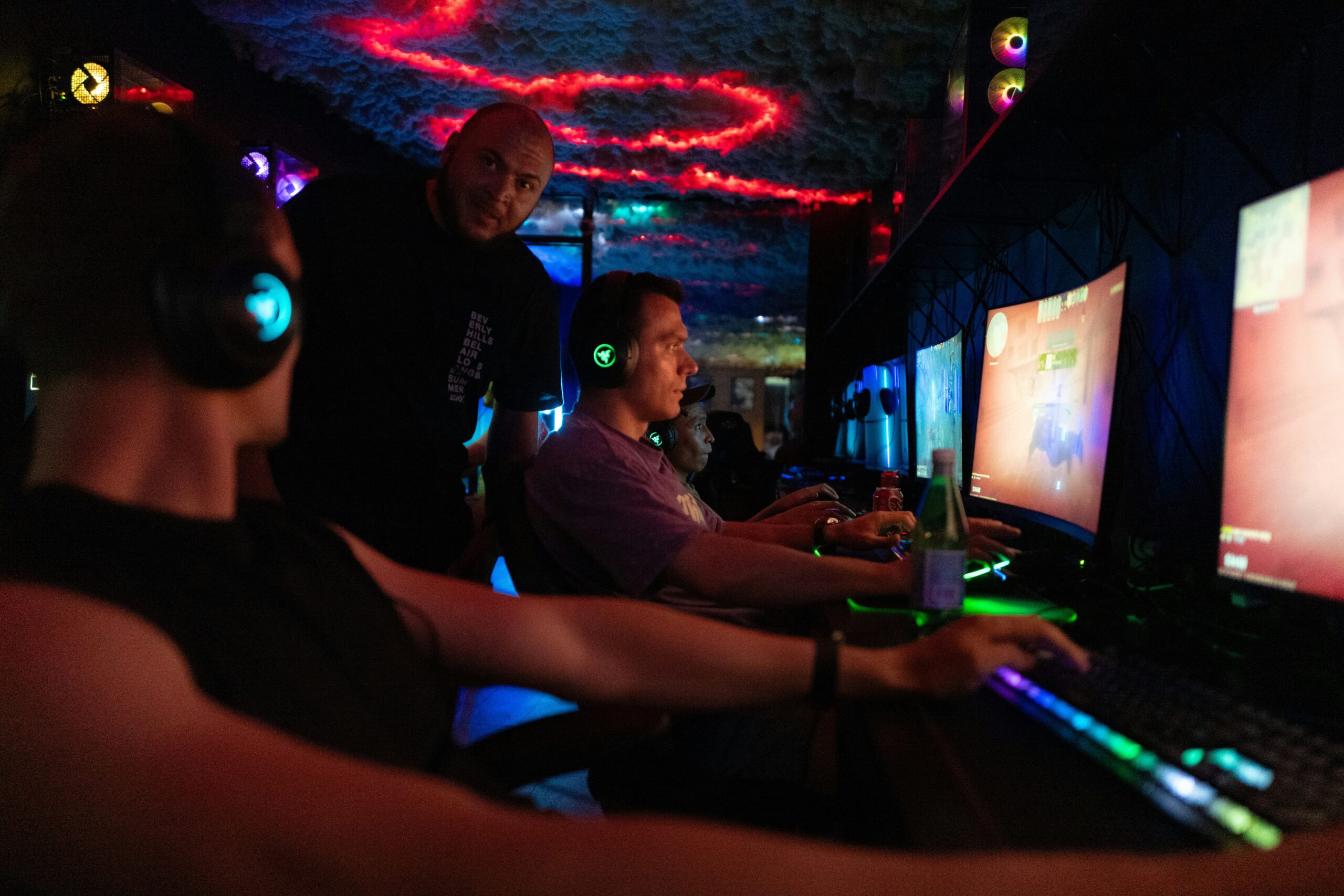
Cost and access. A decent gaming PC is expensive: GPU, CPU, memory, power supply, peripherals. Many Gen Zers rely on older or budget hardware, so optimisation and lower-spec support matter.
Fragmentation and complexity. Steam, Epic, GOG, greenlight, mod loaders, drivers, OS compatibility and patches — the ecosystem can feel fragmented and scare off newcomers.
Toxicity, gatekeeping and inclusivity. Competitive PC spaces still struggle with toxicity, elitism and gatekeeping. Newer or less skilled players can feel intimidated or shut out.
Hardware lifecycle and obsolescence. New architectures and constant upgrades can make hardware outdated quickly, discouraging investment in full setups.
Monetisation backlash. When monetisation feels predatory, trust erodes. Gen Z is vocal about fairness; intrusive ads, paywalls and exploitative mechanics draw criticism.
What’s next for PC gaming?
AI and procedural systems. Generative AI is already being used to analyse player reviews and drive design iteration in PC and VR games. Procedural content, dynamic storytelling, AI companions and adaptive systems may reshape how PC games are designed.
Hybrid and portable PCs, ARM growth. As ARM/SoC chips get more powerful, ultra-portable PCs and hybrid gaming devices may erode the gap between mobile, handhelds and full desktops.
Cross-platform and cloud parity. Seamless crossplay, cross-save and streaming will become standard. Gen Z will expect to jump between device types without losing progress or social connections.
Deeper creator and co-creation models. More games will ship with in-built creation tools, mod SDKs and ways for players to contribute to the game world. The line between gamer and developer blurs.
Sustainability, ethics and diversity. Younger audiences are more conscious. Inclusive representation, ethical monetisation, regional pricing fairness, accessibility and sustainability will matter more.

The takeaway
PC gaming in 2025 isn’t only surviving. It’s adapting. For Gen Z, the appeal isn’t only highest FPS or best GPU. It’s being part of a space where you can socialise, express identity, mod, stream and participate in a living community. The future favours platforms and experiences that combine technical flexibility with cultural openness, fairness and creative agency.
FAQs about PC gaming and Gen Z
Why do Gen Z gamers still prefer PC over console or mobile?
PC offers flexibility, modding, open ecosystems and cross-platform streaming. For Gen Z, who prize control, customisation and creator culture, that combination is hard to match on closed console or mobile platforms.
How many active gamers are there worldwide in 2025?
Around 3.32 billion active gamers worldwide, with Gen Z and Gen Alpha increasingly engaging across multiple platforms rather than sticking to consoles or phones alone.
Is Gen Z spending less on PC games in 2025?
Yes. A recent study found Gen Z aged 18–24 spent significantly less on video games in early 2025, dropping nearly 25% year-over-year in some windows, which is driving them toward free-to-play, subscriptions and indie bundles.
What PC hardware trend matters most to young gamers?
The rise of ARM-based chips like the Qualcomm Snapdragon X2, hitting 5 GHz with strong CPU/GPU efficiency gains, signals cheaper, more portable PCs that can handle heavier games — lowering the barrier to entry.
Which PC games are biggest with Gen Z?
eSports titles like Valorant, League of Legends and Dota dominate competitive play, while mod-friendly worlds like Minecraft, Skyrim and Cyberpunk 2077 stay huge for creative and community play.