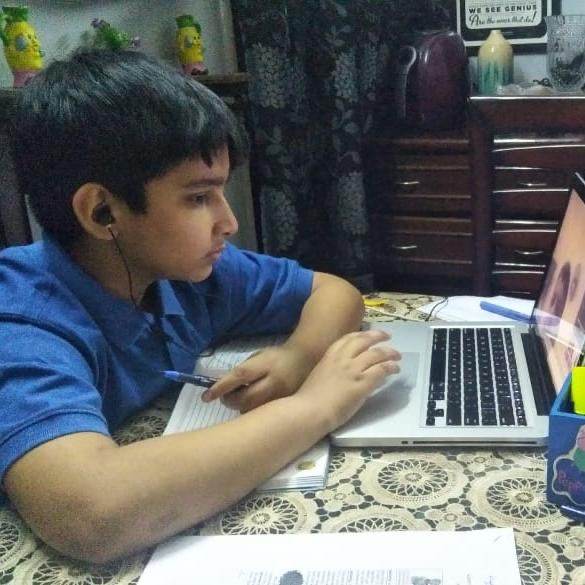

Short answer: Yes. School students who intern early pick up real workplace skills, clarify career interests, and stand out on college applications. Even unpaid stints in journalism, STEM, or NGOs build confidence that no textbook can match.
The straight school-to-college-to-career path isn’t really a thing anymore. Industries keep reinventing themselves, and employers want hands-on experience, not just a degree. Internships have become the bridge between classroom theory and the messy reality of work. So should high schoolers jump in too? Short answer: yes.
Why do internships matter for school students?
School teaches you formulas, grammar, dates. It rarely teaches what it feels like to sit in a Monday standup with three deadlines on your head. Internships fill that gap, and they do it earlier than most parents realise.
1. Real-world experience outside the classroom
Internships hand you firsthand insight into how workplaces actually run, from the etiquette of a 9 a.m. meeting to how teams behave when the deadline slips. Reading about corporate culture in a business studies textbook is one thing. Sitting in a marketing brainstorm at a startup is another.
I interned at a local newspaper one summer in school. Started out curious about writing. Ended up understanding editorial deadlines, newsroom politics, and the art of trimming a 600-word piece down to 250. Wasn’t glamorous. Was deeply educational.
2. Building skills that actually matter
Internships are training grounds for both technical and soft skills. Spreadsheet basics, social media content, drafting a professional email without sounding twelve years old, this stuff is hard to teach in a classroom. You absorb it by doing it.
And then there’s the soft stuff, communication, teamwork, time management, adaptability, which travels with you no matter what career you eventually pick.
3. Confidence and personal growth
Being trusted with a real task is empowering in a way assignments rarely are. When a student finishes a project, contributes to something that ships, or fails and tries again in a supportive setting, the confidence shift is real. They start seeing themselves as contributors, not just learners.
One student intern told me that after leading a volunteer event during her NGO internship, she felt like “an adult with a purpose.” That single experience pushed her toward social work as a career.
4. Clarifying career goals
Most students struggle with what they want to “be” when they grow up. Internships can crack that open. By stepping into different roles, they figure out what excites them, and what bores them stiff.
A student who dreamed of medicine might shadow at a hospital and realise they’re actually drawn to healthcare tech. A budding coder might discover their real love is UX design. Internships are a litmus test for future career interests, and a cheap one at that.
5. Connections that matter later
Networking isn’t only for adults in suits. Internships introduce students to mentors, peers, and industry folks who can guide them, recommend them, even hire them three years later. A coffee chat can turn into a letter of recommendation. Or a freelance gig. Or the next internship.
6. Standing out in college applications
Admissions officers love initiative. A student who has actually pursued an internship in high school signals maturity and curiosity, especially when the internship lines up with their intended major.
According to a report by the National Association for College Admission Counseling (NACAC), extracurricular involvement like internships significantly strengthens a student’s application, especially at competitive institutions. That’s not a small edge.
What are the best internship domains for school students?
Opportunities are fewer than at the college level. But high schoolers still have a wide range. Here are ten fields worth exploring:
1. STEM (Science, Technology, Engineering, Math)
Work alongside researchers on lab projects, assist in engineering design, or get into programming and robotics. Programmes like NASA’s High School Internship Program and Google’s Computer Science Summer Institute are good places to start.
2. Arts and design
Help out at local galleries, work backstage in theatre productions, or shadow graphic designers. Great for creatively inclined students who want to build a portfolio early.
3. Business and marketing
Startups often welcome young minds for the fresh angles they bring. Roles can include social media management, product research and customer engagement.
4. Social welfare and development
NGOs and non-profits frequently need help with event organising, data entry, or community outreach. Builds empathy. Builds civic muscle too.
5. International affairs
Think-tanks, cultural organisations and international NGOs sometimes offer internships in diplomacy, global education, or cross-cultural exchange.
6. Public policy and advocacy
Engage in research, policy drafting, or field interviews. A handful of local government bodies and civil society groups run programmes for motivated high schoolers.
7. Journalism and media
Magazines, blogs, local news outlets. Writing articles, editing videos, managing digital content, the usual intern beat.
8. Healthcare and medicine
Direct patient interaction is usually limited. But students can shadow doctors, help with admin tasks, or assist in medical research environments.
9. Computer science and AI
Intern with ed-tech companies or coding bootcamps. App development, web design, machine learning projects under mentorship are all on the table.
10. Education and tutoring
Assist teachers in classrooms, help in after-school programmes, or volunteer with literacy campaigns. Rewarding work, and it builds leadership skills along the way.
How do you find and apply for an internship?
Start small. Reach out to local businesses, NGOs, or community centres. Use platforms like Internshala, LinkedIn, or your school bulletin board. And don’t underestimate a well-written cold email. Introduce yourself, say what you’re looking for, keep it short.
Keep expectations realistic. Many internships are unpaid (annoying, sure, but normal at this stage), and the experience often beats the paycheck.
Internships as a springboard, not a shortcut
Internships aren’t about a shiny resume line. They’re about learning, about the world, about work, and most of all about yourself.
In a world where knowledge is everywhere but experience is scarce, school students who take the leap into internships gain a real edge, and a deeper sense of self-confidence and possibility.
So if you’re a student reading this, or a parent or educator guiding one, ask: Why wait until college to engage with the world of work?
The earlier you start engaging with the world, the more prepared you’ll be to change it.
FAQs about school student internships
Can high school students actually get internships?
Yes. Many programmes, including NASA’s High School Internship Program and Google’s Computer Science Summer Institute, are built specifically for high schoolers. Local businesses, NGOs, and startups are often open to school-age interns too, especially if you reach out directly with a clear pitch.
Do school internships help with college admissions?
They can, quite a lot. According to the NACAC, extracurricular involvement like internships significantly strengthens a student’s application, particularly at competitive institutions. They signal initiative and curiosity, two things admissions officers actively look for.
What internship fields are best for school students?
Strong fits include STEM, arts and design, business and marketing, social welfare, international affairs, public policy, journalism, healthcare, computer science and AI, and education. The best fit is whatever lines up with what you might study at university.
Are most school internships paid or unpaid?
Most internships at this stage are unpaid. The real return is the experience, the skills, and the network you build, all of which compound later when you apply for paid roles or college programmes.
How do I apply for my first internship as a school student?
Start with a short, specific email to local businesses, NGOs, or startups, or apply through Internshala and LinkedIn. Mention what you’d like to learn and what you can offer. A clear ask beats a polished CV at this age.