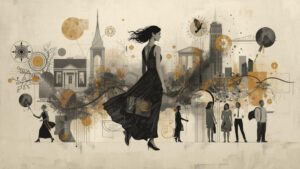

Short answer: Gen Z is trading hustle for slow living. Soft life, mindful minimalism, digital detoxes, and therapy are replacing burnout culture. In 2025, peace is the new luxury, and mental wellness is the new status symbol for young Indians and their global peers.
In a world that never stops refreshing, Gen Z is doing something revolutionary: they are slowing down. From digital detox weekends to soft living and mindful minimalism, young people are redefining what success, happiness, and balance mean. In an age obsessed with hustle, the quiet revolution of slowing down has become the loudest statement of all.
Why is Gen Z called the burnout generation?
For years, the world has labelled Gen Z as the burnout generation: tired, overworked, and emotionally drained before even turning 25. Between academic pressure, social media perfectionism, and the constant buzz of online life, many felt trapped in a cycle of doing everything yet feeling nothing.
Post-pandemic, Gen Z began questioning the culture of “always on.” They started asking deeper questions. Why am I rushing? Who am I competing with? What if rest isn’t laziness but resistance?
What emerged was a lifestyle movement. A conscious refusal to let external metrics define inner peace.
What is soft living and mindful minimalism?
Scroll through TikTok or Instagram and you will see it everywhere: “soft life,” “slow mornings,” “digital detox,” “simple joy routines.” These are not aesthetic trends. They are survival tools.
Soft living, a term born from the Nigerian influencer community, celebrates comfort, rest, and intentional living. It rejects the toxic glorification of struggle. Instead of chasing everything, it is about curating a life that feels calm, authentic, and sustainable.
Mindful minimalism complements it. It is not about decluttering wardrobes. It is about decluttering the mind. Owning less to live more. Choosing experiences over possessions. Saying no without guilt.
This generation is not trying to escape responsibility. They are choosing to experience it differently, with clarity, care, and consciousness.

Why is Gen Z quitting social media?
Ironically, social media started this wave, and now it is what Gen Z is walking away from. Apps that once connected are now exhausting. Endless scrolling, algorithmic comparison, and viral outrage have left users overstimulated and anxious.
Many young people are logging off. Some delete apps for weeks. Others swap screen time for journaling, nature walks, or analog hobbies like painting or photography. Even influencers, the architects of online life, are posting less and living more.
Platforms like BeReal and Lemon8 have gained attention for promoting authenticity. Even there, a new awareness is forming: you do not need to post everything to prove you are living.
This quiet exodus from the virtual world is not rejection. It is reclamation. It is about taking back time, attention, and emotional bandwidth.
How is slow culture shaping fashion, food, and work?
The “slow” movement is touching every part of youth culture. Slow fashion encourages ethical choices: buying fewer clothes, supporting local artisans, and repairing rather than replacing. Slow food celebrates home-cooked meals, plant-based diets, and mindful eating.
Work culture is shifting too. Young professionals are looking for flexible jobs, side hustles that feed creativity, and companies that prioritise well-being over constant output.
“Balance” is not a buzzword anymore. It is a demand. Gen Z does not want burnout as a badge of honour. They want meaning as a marker of success.
Why is mental wellness the new status symbol?
The most powerful shift is the redefinition of what it means to “have it all.” In the 2010s, success was flashy: designer brands, expensive travel, relentless productivity. In 2025, peace is the new luxury.
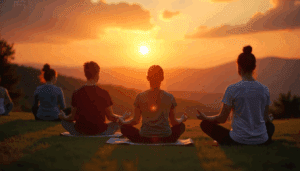
Therapy is not taboo. Talking about boundaries, burnout, or anxiety is normalised. Morning rituals, gratitude journaling, and meditation are seen as maintenance for the soul, not self-care trends.
Mental wellness has become aspirational. The new icons are not those who flaunt excess but those who radiate calm: creators who take breaks, entrepreneurs who meditate, and friends who listen.
How is Gen Z redefining success?
Gen Z’s rebellion is not loud. It is intentional. They are rejecting a culture of urgency and choosing a culture of understanding. They are designing lives that align with their emotional values rather than external pressures.
Success, for them, is not a milestone. It is a feeling. It is waking up without dread, spending time without guilt, and dreaming without comparison.
In choosing peace, they are building a world where joy is a lifestyle, not a luxury.
The art of being still
We often think progress means movement: faster, higher, more. Gen Z is reminding the world that sometimes, real growth happens in stillness.
Slowing down is not giving up. It is finally catching up with yourself.
FAQs on Gen Z slow living
What does soft life mean for Gen Z?
Soft life is a lifestyle that prioritises comfort, rest, and intentional living over hustle. It started in the Nigerian influencer community and has spread globally as a response to burnout culture, focusing on calm and authenticity.
Why is Gen Z choosing peace over pressure?
Post-pandemic, Gen Z began questioning “always on” culture after years of academic pressure, social media perfectionism, and digital overload. They now treat rest as resistance and emotional well-being as a core part of success.
What is mindful minimalism?
Mindful minimalism is about decluttering the mind, not just the wardrobe. It means owning less, choosing experiences over possessions, and saying no without guilt, so you can focus on what adds meaning.
Which apps are Gen Z using instead of Instagram and TikTok?
Platforms like BeReal and Lemon8 have gained traction for promoting authenticity over performance. Many Gen Z users also replace screen time with journaling, nature walks, and analog hobbies like painting or photography.
How is Gen Z changing work culture?
Young professionals are asking for flexible jobs, creative side hustles, and employers that value well-being over output. Burnout as a badge of honour is out. Meaning as a measure of success is in.