Short answer: The average human attention span has dropped from 12 seconds in 2000 to 8 seconds, shorter than a goldfish’s. Apps, notifications, and predictive algorithms hijack dopamine circuits to keep us scrolling. Reclaiming focus through digital minimalism, deep work, and intentional boredom is the new competitive edge.
In today’s digital world, attention is the most valuable currency, and everyone is fighting for it.
Every scroll, click, and notification has been engineered to capture one thing: your focus. While we’ve become hyper-connected, our minds have quietly entered crisis mode. The average human attention span has dropped from 12 seconds in 2000 to 8 seconds — shorter than that of a goldfish.
We aren’t losing intelligence. We’re losing depth. The internet hasn’t changed only what we consume; it’s changed how we think.
What is the science of focus?
Attention isn’t infinite. The human brain evolved to concentrate on one thing at a time, a survival mechanism for recognising threats or finding food.
The digital world is built on the opposite principle: constant novelty. Every app, video, and headline competes for micro-seconds of your time, hijacking the dopamine circuits in your brain.
Each new notification triggers a small reward, a hit of anticipation, curiosity, or validation. Over time the brain becomes addicted to that stimulation loop, making silence and stillness feel unbearable.
The result? A generation trained not to focus, but to refresh.
How do algorithms shape attention?
Attention online isn’t accidental. It’s engineered.
Social platforms use predictive algorithms designed to keep users scrolling endlessly. They analyse what captures your focus, then amplify it, feeding an infinite loop of personalised distraction.
The more time you spend on an app, the more data it collects, and the better it learns how to keep you there. It isn’t showing you content; it’s shaping your curiosity.
The algorithm doesn’t care if you’re informed or inspired, only that you’re engaged. In that system, outrage, humour, and shock always win.
Why do we have fragmented minds now?
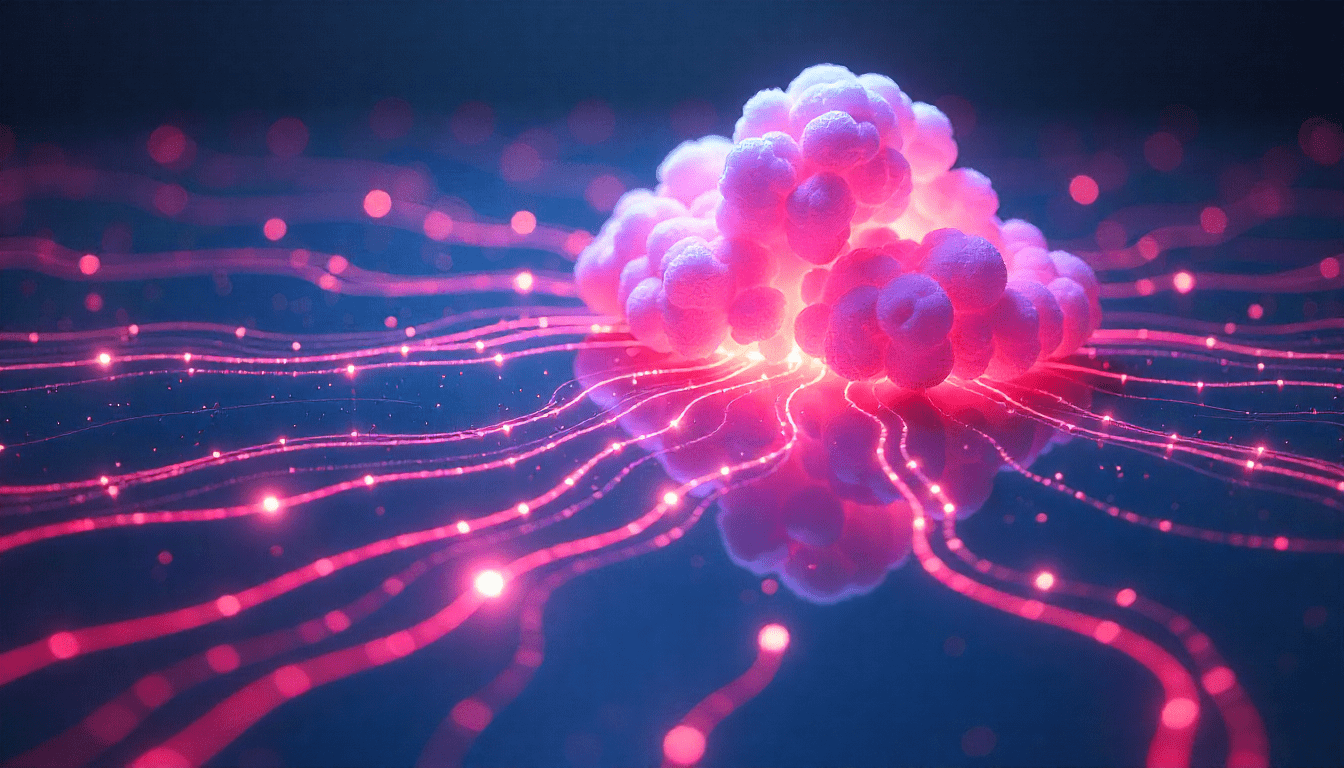
Cognitive scientists call this phenomenon continuous partial attention — the state of being constantly alert but rarely fully engaged.
We multitask not because we’re efficient, but because we’re overstimulated. Studies show that switching between tasks reduces productivity by up to 40% and increases stress.
This fragmented focus rewires the brain, weakening memory formation and deep thinking. We remember headlines, not ideas. We react fast but reflect less.
The digital age didn’t make us distracted. It rewarded distraction.
What is the attention economy and what does it cost us?
Every minute you spend online generates revenue for someone else. Advertisers, influencers, and corporations profit from divided focus.
This system, known as the attention economy, thrives on keeping users endlessly stimulated. Even boredom is monetised: autoplay ensures there’s always another video waiting, another story loading.
While companies profit from our attention, we’re left paying the price in stress, fatigue, and cognitive overload. Attention is the new oil. We’ve become the resource being mined.
Is multitasking a myth?
Multitasking sounds productive, but neuroscience proves otherwise. The brain can’t perform two complex tasks at once. It switches rapidly between them, burning energy with every shift.
Each switch costs milliseconds of focus, and repeated thousands of times, it adds up to hours of lost productivity and mental exhaustion.
The illusion of multitasking feeds ego but drains creativity. Deep work — uninterrupted concentration — is now one of the rarest and most valuable skills. The future will belong not to those who do more, but to those who can stay still and think deeply.
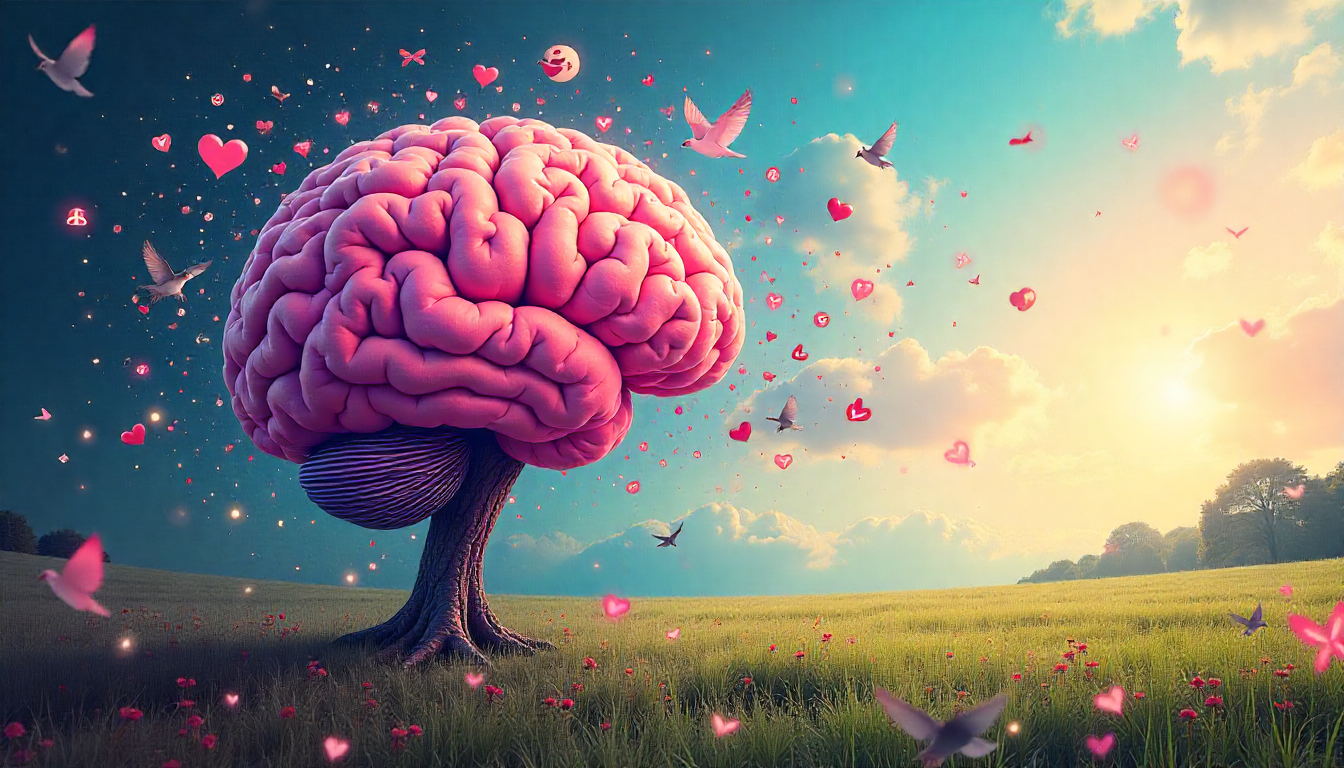
Why does the decline of boredom kill creativity?
Boredom used to be a bridge to creativity. It gave the brain space to wander, connect ideas, and imagine new things.
Now we escape boredom instantly, opening apps, checking feeds, or refreshing notifications. By eliminating boredom, we’ve eliminated reflection.
The mind that never rests never creates. Every artist, inventor, and thinker in history relied on empty space — the quiet hours where imagination thrives. When you fill every moment, you starve your thoughts of oxygen.
What is digital burnout doing to mental health?
Constant connectivity has created a silent mental health crisis. The need to always be updated leads to information anxiety: the stress of knowing too much and understanding too little.
This burnout isn’t physical; it’s cognitive. The endless influx of news, trends, and notifications overwhelms emotional regulation. People report feeling digitally tired, drained by constant awareness of everything happening everywhere.
It’s no coincidence that the rise in anxiety and attention disorders parallels the rise of smartphones. We built an always-on world and forgot to include an off switch.
How is focus becoming the new luxury?
In a society addicted to distraction, focus has become an act of rebellion.
Digital minimalism — the conscious curation of what deserves your attention — is emerging as a global movement. People are deleting apps, taking dopamine fasts, and practising mindfulness to retrain their brains.
Tech leaders like Cal Newport and Tristan Harris advocate for attention hygiene: managing your mental environment the same way you manage physical health. Focus is no longer a habit. It’s a discipline.

What are practical ways to rewire your attention?
- Start your day offline. Let your mind wake up before your phone does.
- Use the single-tab rule. Focus on one task until completion.
- Schedule intentional boredom: walks, silence, or simply sitting without screens.
- Turn off nonessential notifications. Your brain deserves quiet moments.
- Replace consumption with creation. Draw, write, or build instead of scrolling.
Small steps, done consistently, rebuild attention like a muscle.
What is the future of focus?
As technology becomes more immersive, with AR, VR, and AI interfaces, the fight for attention will only intensify.
The metaverse and algorithmic personalisation will make distraction feel invisible. To navigate that future, we’ll need digital self-awareness: a conscious relationship with the tools we use.
The next great skill won’t be tech literacy. It will be attention mastery.
The power of presence
The modern world wants your attention — all of it. But presence is power.
When you reclaim focus, you reclaim your time, creativity, and peace. The internet may have rewired our minds, but awareness can rewire them back.
The ability to be fully present in work, conversation, and thought will become the greatest competitive advantage of all. The future doesn’t belong to those who scroll the fastest. It belongs to those who can truly look up.
FAQs on the attention crash
How short has the human attention span become?
Research shows the average human attention span has fallen from 12 seconds in 2000 to roughly 8 seconds, shorter than a goldfish’s. Constant app switching and notifications are a major driver of that drop.
Does multitasking actually work?
No. Neuroscience shows the brain doesn’t do two complex tasks at once; it switches rapidly between them. Task switching can cut productivity by up to 40% and raise stress.
What is digital minimalism?
Digital minimalism is the conscious curation of what deserves your attention. It includes deleting noisy apps, doing dopamine fasts, and practising mindfulness so your mind isn’t always reactive.
Who are Cal Newport and Tristan Harris?
Cal Newport is the author who popularised deep work, and Tristan Harris is a former Google design ethicist who advocates humane tech. Both argue for attention hygiene — treating your mental environment as seriously as your physical health.
How can I rebuild my attention span?
Start the day offline, focus on one task at a time, schedule intentional boredom, mute nonessential notifications, and replace scrolling with creative output like writing, drawing, or building. Done consistently, these small shifts rebuild focus like a muscle.