
Short answer: In 2025, micro-trends drive internet culture through the Buzzsphere, a live ecosystem of creators, algorithms, and audiences where virality lasts hours instead of weeks. A counter-movement called Slow Buzz rewards depth over speed.
In 2025, virality does not last weeks. It lasts hours. The internet behaves like a living organism, breathing in ideas and exhaling them at speed. What was once a trend is now a moment, and the Buzzsphere, that chaotic cloud of internet chatter, decides what lives or dies.
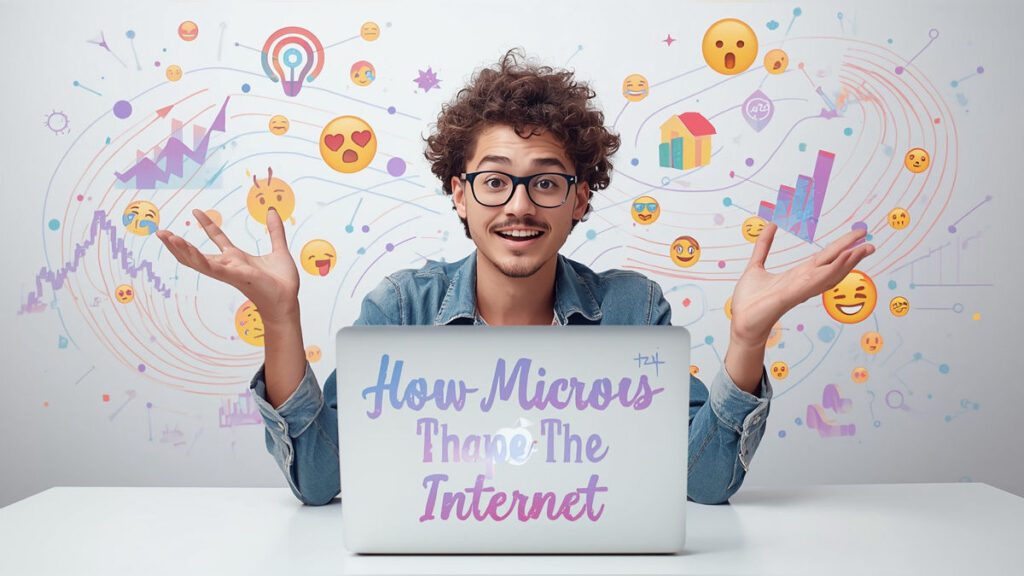
From viral sound bites to three-second memes, micro-trends drive the internet’s heartbeat. A video can go from obscurity to omnipresence in minutes before something faster replaces it. The shift is redefining content and culture at once.
Creators, brands, and audiences are caught in the same loop. Attention is the new gold, and everyone is mining for a share.
What exactly is the Buzzsphere?
The Buzzsphere is the collective pulse of digital attention. It is an ecosystem of influencers, algorithms, audiences, and media outlets that amplify each other in real time. Conversations collide here, memes mutate, and movements are born.
Traditional media cycles lasted days. Buzzsphere cycles can end in a few hours. A single tweet, TikTok clip, or Reddit post can ignite global discussion. It is unpredictable, emotional, and ruthlessly fast.
It is still a system, not pure chaos. Algorithms prioritize velocity over longevity, so engagement spikes matter more than sustained interest. The result is a culture obsessed with “the next big thing,” often before the current one fades.
Why are micro-trends killing consistency?
Social media once rewarded consistency, including posting schedules, brand tone, and long-form storytelling. Now success belongs to those who adapt instantly.
A micro-trend can be a sound, a phrase, a pose, or a camera angle. Look at 2025’s “blink transition” craze, where millions of creators edited clips with a single blink triggering an outfit change. Or the “one photo, one story” format on Threads that turned personal posts into mini confessionals.
These are not fads. They are languages. Each micro-trend is a cultural dialect connecting creators and audiences through shared humor and emotion. Missing one means missing an entire conversation.

How do algorithms shape the chaos?
Behind every viral moment sits a machine. Algorithms on TikTok, Instagram, and YouTube Shorts no longer just recommend content, they predict momentum.
The 2025 algorithmic design focuses on “burst engagement,” boosting content that spikes sharply in the first few minutes after upload. That is why creators design intros like movie trailers: high-intensity, emotionally charged, and impossible to scroll past.
This algorithmic adrenaline has a cost. The chase for engagement leads to creative burnout. Many creators now call it “Buzz Fatigue”: the exhaustion of keeping up with an internet that never sleeps.
How do brands win inside the Buzzsphere?
Brands are some of the most active players in the Buzzsphere. Campaigns once took months to plan. In 2025, brand strategy is built on real-time adaptability.
When a viral meme about “AI interns” exploded on TikTok, companies like Notion and HubSpot jumped in within hours, creating videos that blurred marketing and entertainment.
Brands no longer wait for trends. They collaborate with them. Social media teams now work in “trend response squads,” scanning the Buzzsphere hourly for viral hooks.
Speed and sincerity decide brand survival. Join late and you look out of touch. Join without authenticity and you look desperate. That balance decides who thrives and who fades.
What does short-term fame do to creators?
Micro-trends have redefined fame. Influencers once built long-term legacies over years. In 2025, anyone can go viral overnight, but staying relevant is the real challenge.
This new fame is fleeting, addictive, and emotionally taxing. Many creators experience what psychologists call “attention whiplash”: the emotional crash after viral success. When the Buzzsphere moves on, the silence feels deafening.
The appeal of sudden virality is still irresistible. For Gen Z and Gen Alpha creators, going viral is a form of self-expression and a digital rite of passage.
How does buzz culture shape real culture?
Micro-trends are no longer confined to the internet. They spill into fashion, music, and politics. A 15-second dance can inspire global fashion lines. A meme can become a political symbol overnight.
In 2025, the boundary between digital and real-world culture is disappearing. The Buzzsphere is the cultural test lab, and what succeeds online often becomes mainstream within days.
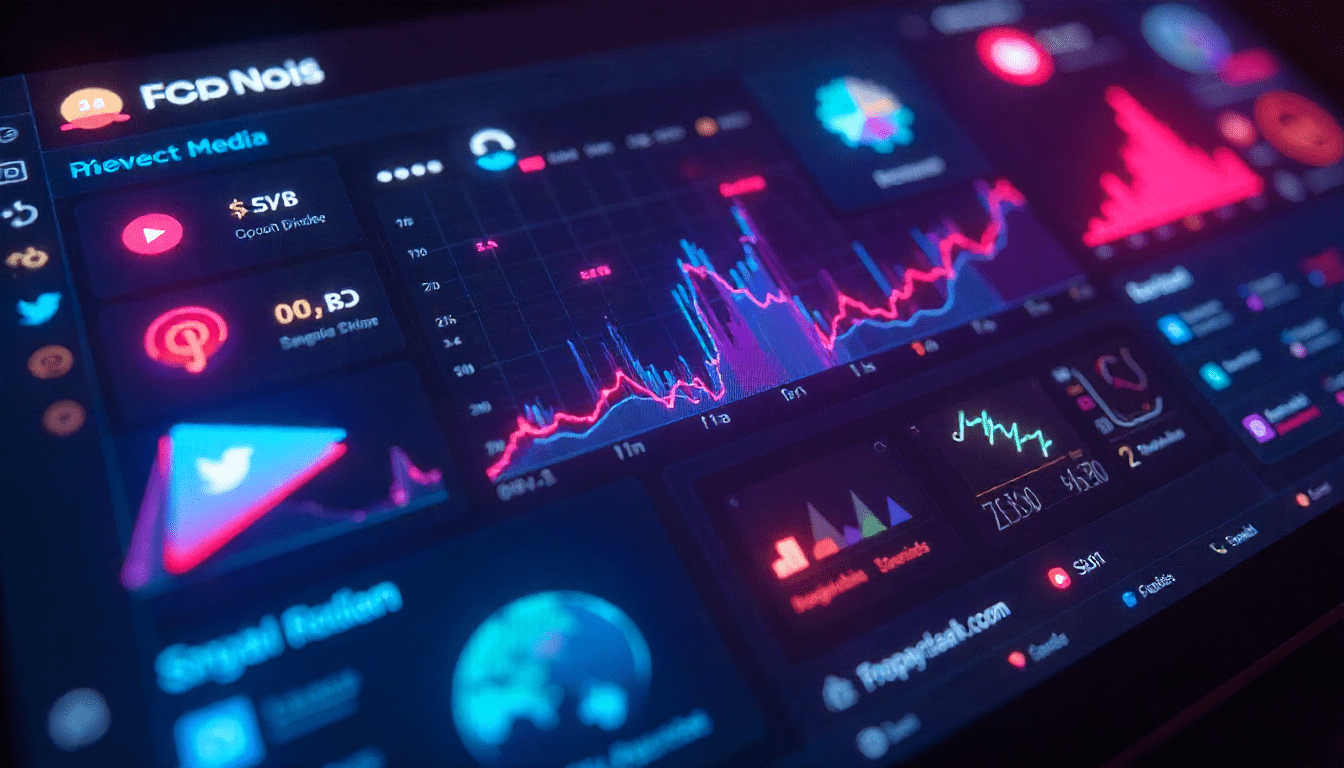
That is why pop stars, film studios, and NGOs track micro-trend dashboards. Cultural relevance is no longer measured in years or months. It is measured in reactions per minute.
What is the Slow Buzz movement?
Amid the chaos, a counter-movement is emerging. Creators and audiences want sustainability in attention. This has produced what digital analysts call “Slow Buzz”: trends designed to evolve, not explode.
Podcasts, long-form essays, and niche communities are thriving again. Instead of chasing virality, creators are nurturing loyal micro-audiences who value depth over hype. The Buzzsphere runs on speed, but the future may belong to those who slow it down.
What does the future of the Buzzsphere look like?
By 2030, the Buzzsphere is expected to merge more deeply with AI. Predictive trend modeling, emotion-based engagement algorithms, and decentralized content ecosystems will shape the next era of digital buzz.
Imagine an AI tool that predicts the next viral trend before it happens, based on emotion detection and sentiment mapping rather than keywords. This is already being tested by content analytics startups across Asia and Europe.
With this power comes responsibility. Virality has real psychological, social, and political consequences. The future of the Buzzsphere is not only about faster trends. It is about smarter ones.

The takeaway: attention as the new culture
The Buzzsphere decides who gets seen, what gets shared, and what we believe is relevant. It is the modern agora, where ideas rise and fall in real time. Within the chaos lies a paradox: the more we chase buzz, the more we crave meaning.
In 2025, connection and attention are no longer opposites. They are intertwined. The challenge for creators, brands, and audiences is to make every moment of attention matter. Noise is cheap, but impact is priceless.
FAQs about micro-trends and the Buzzsphere
What is a micro-trend in 2025?
A micro-trend in 2025 is a fast-moving cultural moment, such as a sound, phrase, pose, or format, that spreads and fades within hours. Examples include the “blink transition” craze and the “one photo, one story” format on Threads.
How is the Buzzsphere different from traditional media?
Traditional media cycles lasted days. The Buzzsphere runs in hours, driven by algorithms that reward early engagement spikes. A single post on TikTok, Reddit, or X can ignite global conversation.
What is Buzz Fatigue?
Buzz Fatigue is the creative exhaustion caused by chasing constant algorithmic engagement. It is now widely reported among 2025 creators who feel pressured by short-burst engagement metrics.
How should brands respond to micro-trends?
Brands need speed and sincerity. Companies like Notion and HubSpot joined the “AI interns” meme within hours. Social media teams now run “trend response squads” that scan the Buzzsphere hourly.
What is Slow Buzz?
Slow Buzz is a counter-movement built on sustained attention through podcasts, long-form essays, and niche communities. It rewards depth and loyal micro-audiences over viral spikes.