
Short answer: The digital detox movement is a conscious push to reset our relationship with screens, not reject them. Young people check their phones about 96 times a day, so detox retreats in Bali, India, and Costa Rica, micro-habits like screen-free mornings, and tools like the Light Phone are helping people reclaim focus, creativity, and mental peace.
We live in an age where silence feels awkward and notifications dictate our attention spans. From the moment we wake up, our thumbs scroll through an endless digital maze: messages, reels, tweets, and updates. Somewhere in between, we lose touch with stillness, with presence, with ourselves.
As the world spins faster on screens, a quiet counterculture is emerging: the Digital Detox Movement. It’s not about rejecting technology. It’s about restoring balance, reprogramming our relationship with the digital world, and remembering that attention is our most valuable currency.
What is the hidden cost of the attention economy?
Social media platforms weren’t designed to connect us. They were designed to keep us hooked. Every swipe, like, and comment is a data point feeding algorithms built to predict and profit from our behaviour. The result is a generation constantly plugged in but emotionally burnt out.
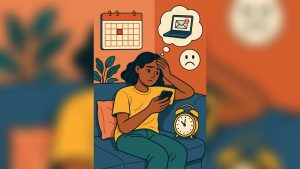
Studies show young people check their phones an average of 96 times a day — roughly every ten minutes. Notifications trigger the same dopamine loops as slot machines, creating cycles of craving and short-lived satisfaction. Over time, this constant stimulation leads to digital fatigue, anxiety, and a diminished ability to focus deeply.
The cost isn’t only mental. Our relationships suffer too. How often do we half-listen during conversations, distracted by a buzz in our pocket? How often do we capture moments instead of experiencing them? The more connected we become online, the more disconnected we risk becoming offline.
Why are digital detox retreats booming?
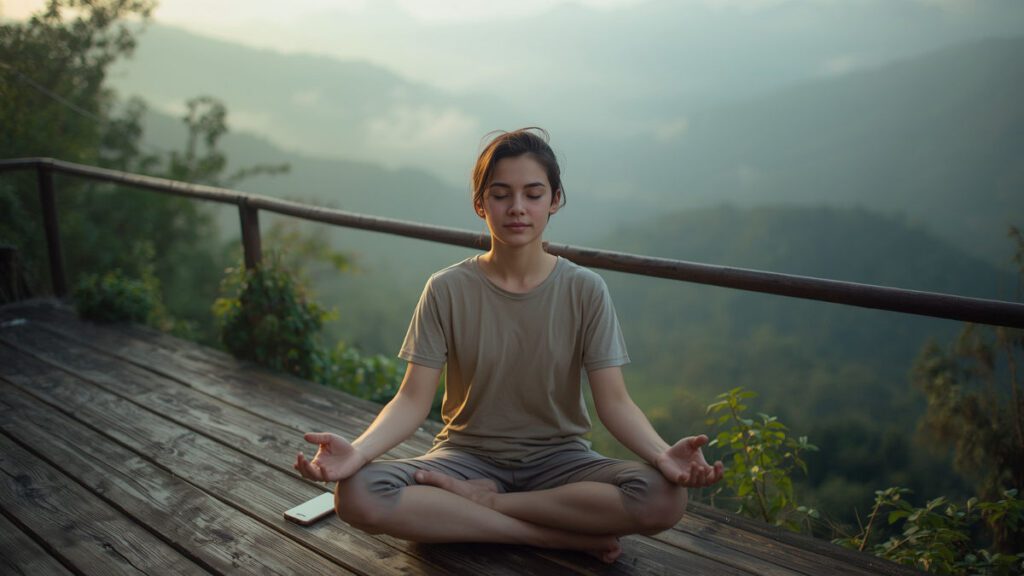
Across the world, young professionals, creators, and students are checking out, not metaphorically but literally. Digital detox retreats have become the new wellness frontier. Picture this: secluded cabins in the woods, yoga sessions at sunrise, meditation under open skies, and a strict “no phone” policy.
These retreats aren’t anti-technology. They’re pro-awareness. The idea isn’t to abandon your phone forever but to reset your brain’s relationship with it. After a few days of disconnection, many report improved mood, clarity, and creativity.
In Bali, India, and Costa Rica, detox resorts are selling out months in advance. Participants rediscover the joy of slowness, the feeling of not being “on” all the time. They journal instead of posting. They talk without filters. They learn that solitude doesn’t equal loneliness.
The results go beyond relaxation. Neuroscientists say unplugging allows the brain’s default mode network (the part responsible for creativity and memory) to reactivate. When we’re constantly consuming, we rarely allow space for reflection. Silence becomes the soil for original thought.

Why is unavailability the new luxury?
Once, luxury meant access — exclusive clubs, first-class seats, private networks. In 2025, the new status symbol is unavailability.
Being unreachable signals control over your time, not subjugation to digital demands. Influencers like Emma Chamberlain and Zayn Malik have openly spoken about stepping away from platforms for their mental peace. Tech CEOs like Jack Dorsey practice periodic “phone fasts” to regain clarity. Even micro-creators are setting boundaries: no DMs after 9 PM, no posting on weekends, no notifications during deep work.
This shift reflects a deeper cultural pivot. In a world obsessed with visibility, choosing invisibility is radical. It’s not about rejecting connection, it’s about curating it. You decide what enters your mental space, rather than letting algorithms decide for you.
What is mindful tech use?
The digital detox movement isn’t only about switching off. It’s about switching how we engage. Mindful tech use is the evolution of this philosophy.
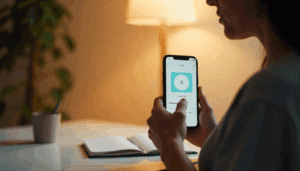
Instead of endless doomscrolling, users are turning to digital minimalism: deleting unused apps, disabling notifications, or designating “no-screen zones” in their homes. Apps like “One Sec” now interrupt your urge to open social media by making you take a deep breath first. Devices like the Light Phone offer a stripped-down experience: calls, texts, maps, music, nothing else.
This conscious curation fosters intentionality. Instead of reacting to technology, you direct it. It’s not about fewer apps. It’s about meaningful apps. Not less time online, but better time online.
Why do we need to relearn boredom?
Remember being bored as a child? Staring at the ceiling, doodling, daydreaming? That boredom was fertile ground for creativity. Now, we fill every microsecond with content. Waiting in line? Scroll. Riding the metro? Scroll. Even brushing teeth? A podcast plays in the background.
Our minds never idle, yet real insight often blooms in stillness. Neuroscientists argue that boredom sparks divergent thinking, the ability to connect unrelated ideas and innovate. Great ideas don’t usually strike mid-scroll. They appear in showers, walks, and quiet moments.
Relearning boredom isn’t regression. It’s restoration. It’s allowing your brain to breathe again.
How do you do a digital detox in daily life?
You don’t have to disappear to a mountain retreat to detox. Balance begins with micro-habits:
Screen-free mornings: Start your day without your phone. Let your first thoughts be your own, not social media’s.
Scheduled scroll time: Set specific hours for checking notifications instead of grazing all day.
Tech-free meals: Make food sacred again — no screens at the table.
Digital Sabbaths: One day a week without social media or entertainment apps.
Night mode rituals: Replace doomscrolling before bed with reading, journaling, or meditation.
Each habit, small as it seems, creates ripples of mindfulness. You start noticing things again: the smell of coffee, the sound of rain, the shape of your thoughts when no one’s watching.

What does the future of digital wellness look like?
As AI, AR, and the metaverse expand, digital immersion will only deepen. That doesn’t mean we’re doomed to distraction. The future of wellness lies in coexistence: using technology to amplify life, not replace it.
Picture AI companions reminding you to breathe, apps designed to track emotional fatigue instead of just steps, or virtual communities centred around real-world breaks. The next era of wellbeing won’t reject technology. It’ll humanise it.
The Digital Detox Movement isn’t nostalgia for a pre-internet age. It’s a rebellion for a healthier one. It’s not about being offline. It’s about being alive.
The power of disconnecting to reconnect
At its heart, digital detox isn’t about isolation. It’s about intention. It’s a declaration that your time, focus, and peace belong to you.
We live in a world louder than ever, but silence is still within reach. All it takes is a choice: to pause, to log off, to breathe, to be. When you disconnect from noise, you reconnect with what’s real: your mind, your creativity, and the world right in front of you. The revolution isn’t digital. It’s human.
FAQs about the digital detox movement
What is a digital detox?
A digital detox is a deliberate break from screens and social media to reset your brain’s relationship with technology. It can mean a weekend off your phone, a retreat, or everyday micro-habits like screen-free mornings.
How many times a day do young people check their phones?
Studies show young people check their phones around 96 times a day, about once every ten minutes. Notifications trigger the same dopamine loops as slot machines, which is why the habit feels so hard to break.
Where are the best digital detox retreats?
Bali, India, and Costa Rica have become major hubs, with detox resorts selling out months in advance. Retreats typically include strict no-phone policies, yoga, meditation, and time in nature.
Does a digital detox actually work?
Yes. Neuroscientists say unplugging reactivates the brain’s default mode network, the part tied to creativity and memory. Participants commonly report better mood, clearer focus, and stronger creativity after a few days off screens.
How do I start a digital detox at home?
Begin with small habits: screen-free mornings, scheduled scroll time, tech-free meals, one digital Sabbath a week, and a night-mode ritual that replaces scrolling with reading or journaling. Tools like One Sec and the Light Phone can help hold the line.