
Short answer: The end of the feed is the quiet shift away from constant public posting toward smaller circles, slower content, and more honest self-expression. This generation is not leaving social media. They are changing how they use it, choosing meaning, intimacy, and presence over performance and noise.
For over a decade, social media has been built on one core idea: constant activity. The feed moved fast, content piled endlessly, and the goal was always the same: post more, consume more, react more. Something is shifting. Slowly, quietly, and almost without announcement, people have begun to pull away from the noise.
The endless scroll does not feel exciting anymore. It feels exhausting.
This generation is not leaving social media. They are changing how they use it. They want meaning, not clutter. Depth, not display. Real connection, instead of digital performance. We are watching a cultural shift where social media is no longer the stage. It is becoming a conversation.
Why are people moving from performing to existing online?
There was a time when social media felt like a public audition. Every post had to impress someone. Every picture had to look perfect. Every story had to compete with someone else’s version of a better life. Now, the value of online presence is shifting. People no longer feel the need to be constantly seen. They want to exist.
Content today feels softer, slower, more intentional. It is less about “Look at me” and more about “This is where I am.” Instead of perfect travel photos, users share quiet moments in kitchens, small victories, honest thoughts, or even nothing at all, a pause. The pressure to prove something is fading. The desire to feel something is growing.
Why are smaller circles and private spaces taking over?
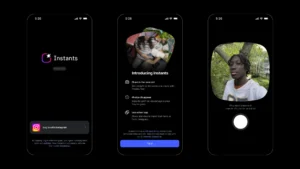
Public posting is shrinking. Private stories, locked profiles, close friends lists, and group chats are becoming the real heart of social interaction. People are choosing intimacy over visibility.
Conversations are moving away from the public feed to places where tone, trust, and context exist. Spaces where you can speak without fear of misunderstanding, where interaction feels human rather than like an algorithm waiting to categorise your behaviour.
This shift is not withdrawal. It is refinement. People are not avoiding connection. They are choosing better connection.

Why is authenticity no longer a trend but a boundary?
There was a time when influencers and brands preached authenticity as a marketing angle. The new generation does not want authenticity as a performance. They want it as a reality.
They value messages that sound like someone thought before they typed, photos that look like life rather than advertising, and expressions that feel human rather than curated.
The relationship between audience and creator is transforming from idolisation to relatability. The most compelling content is no longer the one with the highest production value. It is the one that feels emotionally honest.
How is slower content creating deeper impact?
Short-form content once dominated attention: fast, loud, flashy, designed to grab before the viewer could blink. Now long-form storytelling, soft visuals, personal essays, and reflective posts are making their way back.
People want depth. They want meaning. They want content that feels like a conversation, not a demand for attention.
The algorithm may not always reward slowness, but the audience does.
Why is digital identity becoming softer, not sharper?
Instead of building an online persona, people are dismantling one. They no longer want to be defined by aesthetics, labels, or curated versions of themselves. They want space to shift, to evolve, to contradict themselves, to grow publicly without explanation.
The self online is no longer an image. It is a process.
This evolution is subtle but powerful: social media is moving from performance to presence.
Where does social media go next?
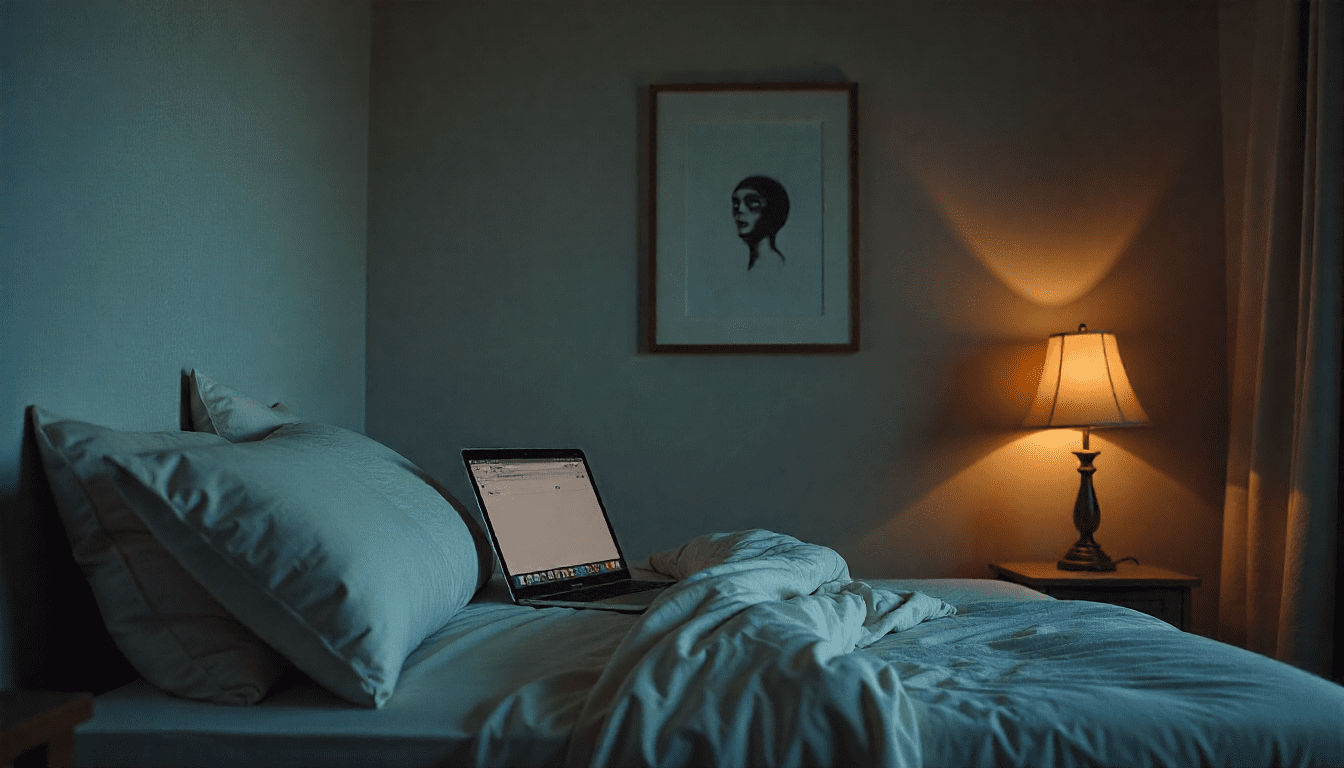
The next era of social media will not be louder or faster. It will be quieter, more thoughtful, and more emotionally aligned with how people actually experience life. Platforms will need to adapt, not by adding more features but by creating space for meaning, nuance, and authenticity.
We are leaving the age of the infinite feed and entering an era where digital presence is intentional rather than automatic.
The future of social media is not abandonment. It is maturity.
Meaning is replacing noise
Social media is not disappearing. It is evolving, gently and steadily, in response to the emotional needs of its generation.
People no longer want to live inside the feed. They want to live and share from a place that feels grounded, honest, and real.
The next chapter of digital culture will not be defined by performance but by presence. Not by volume but by meaning. Not by perfection but by emotional truth.
Maybe, for the first time, social media will finally feel human again.

FAQs about the end of the feed
Is Gen Z leaving social media?
No. Gen Z is not leaving social media but changing how they use it. Public posting is shrinking while private stories, locked profiles, close friends lists, and group chats are becoming the real heart of online interaction.
Why is public posting declining?
Public posting often feels like a performance. Smaller circles offer tone, trust, and context, letting people speak without fear of misunderstanding or being categorised by an algorithm. Intimacy is replacing visibility.
What kind of content does this generation actually want?
Soft visuals, long-form storytelling, personal essays, and reflective posts are returning. People want content that feels like a conversation, not a demand for attention, and that sounds like someone actually thought before typing.
Is authenticity still a thing on social media?
Yes, but no longer as a marketing angle. Authenticity is now a boundary. Audiences reward emotionally honest content over high production value and relatability over idolisation.
What does digital presence look like in the next era?
Digital presence is becoming intentional rather than automatic. Identity online is treated as a process, not a fixed image, with space to shift, evolve, and grow publicly without needing to explain each change.