


Short answer: Soft living is Gen Z and younger millennials trading hustle culture for peace, presence and purpose. It is not laziness, it is intentional living, powered by digital detoxes, mindful routines and a new definition of success rooted in alignment rather than achievement.
For decades, hustle culture ruled our feeds. The glorification of burnout, side gigs and 4 a.m. wake-ups became the anthem of ambition. A quiet rebellion is now under way. Gen Z and younger millennials are leading a wave called “soft living,” a philosophy that values peace, presence and purpose over relentless productivity.
It isn’t laziness. It is liberation. And it is changing how a whole generation defines success, work and wellbeing.
Why did Gen Z walk away from hustle culture?
The pandemic broke something in the global psyche. People suddenly had time to question what they were chasing and why. The idea of working yourself to exhaustion for corporate validation began to feel absurd.
The result was a cultural shift from “rise and grind” to “rest and align.” Gen Z saw the toll hustle culture took on millennials, anxiety, poor work-life balance, emotional exhaustion, and collectively decided: we are not doing that.
Work-life balance isn’t a dream anymore; it is a boundary. For many, soft living means curating a lifestyle centred on calm mornings, mindful routines, meaningful connections and work that doesn’t consume their soul.
Is soft living the same as doing less?
Critics call it lazy. The truth is, soft living is intentional. It creates systems that prioritise mental and emotional health while still pursuing goals.
Think of it this way: instead of pushing through exhaustion, soft living asks, what if we worked smarter, slower and happier?
This mindset shows up in small but powerful choices. Remote work setups that prioritise comfort. Flexible career paths that allow travel. Turning side hustles into passion projects, not profit machines. Even social media is part of the evolution. Influencers like Nitsan Raiter, Jazz Thornton and Halima Aden share “slow morning” content that celebrates balance, not burnout.
Soft living is efficiency redefined: doing what matters, with energy that feels good.
How does digital detox fit into soft living?
Social media once amplified hustle culture. #grindneverstops was everywhere. As mental health awareness grows, creators are promoting the opposite.
Digital detoxes, “slow content” and dopamine detox trends have become part of the soft living toolkit. Instead of measuring productivity through constant output, people now measure peace through mindful disconnection.
Apps like “One Sec” and “Opal” help users take intentional breaks from doomscrolling. On TikTok, “soft life” videos show candlelit journaling sessions, nature walks and cozy self-care nights, a visual rebellion against overwork. This isn’t about abandoning technology; it is about reclaiming how it uses us.

What does luxury look like in the soft life?
For previous generations, luxury meant status, designer bags, big houses, corporate titles. Today, luxury is freedom.
Gen Z’s soft life aesthetic values experiences over things. It is about brunch over burnout, thrifted fashion over fast fashion, and travel over trophies. The modern “it girl” knows how to protect her peace, not just her portfolio.
This mindset is transforming industries. Wellness retreats, co-living workspaces and minimalism-inspired design are booming. Brands like Aritzia, Glossier and The Ordinary have leaned into the “effortless, natural” aesthetic that resonates with this calmer lifestyle. The soft life isn’t anti-success, it is redefining what success looks like.
Is soft living only for the privileged?
The soft life comes with criticism. Some argue it is only possible for those with privilege or flexible jobs. Not everyone can quit their 9-to-5 and live by the beach.
The essence of soft living isn’t about money; it is about mindset. It is about finding softness within hard realities, choosing patience, gratitude and peace where chaos once lived.
For students, it might mean setting digital boundaries or studying without comparing progress. For young professionals, it is rejecting toxic office culture. For creators, it is producing authentic content instead of chasing algorithms. Soft living is about self-respect, not escape.

What is the psychology behind the soft life?
At its core, soft living is a response to overstimulation. With information overload, political unrest and digital pressure, the brain craves slowness.
Psychologists describe this as “cognitive rest,” the state where creativity and emotional stability thrive. Studies show that downtime improves productivity, focus and happiness. It is no coincidence that mindfulness apps, journaling and slow mornings are trending.
The soft life isn’t anti-ambition. It is sustainable ambition.
How do you start living softly?
You don’t need to move to Bali or delete your social media to start living softly. The essence lies in small, sustainable habits:
Set digital boundaries. Turn off non-essential notifications. Protect your attention like a resource.
Romanticise routine. Make morning coffee, walks or journaling rituals you look forward to.
Prioritise rest. Sleep is not optional, it is your foundation.
Redefine productivity. Measure success in peace, not pace.
Simplify your space. A decluttered environment breeds a decluttered mind.
Soft living is about choosing alignment over achievement, and realising that peace is not the reward, it is the path.
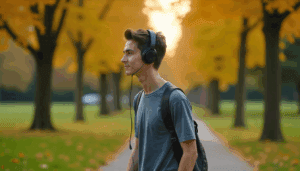
Is the soft life here to stay?
The rise of soft living marks more than a lifestyle trend, it is a generational statement. It is Gen Z’s way of saying: we have seen the burnout, and we are choosing better.
In a world obsessed with speed, the boldest thing you can do is slow down. The future belongs not to those who move the fastest, but to those who move with purpose, softly, steadily, and on their own terms.
FAQs about soft living
What is soft living?
Soft living is a lifestyle philosophy popular with Gen Z and younger millennials that prioritises peace, presence and purpose over relentless productivity. It favours calm mornings, mindful routines, meaningful connection and work that doesn’t consume your soul.
Is soft living the same as quiet quitting?
Not quite. Quiet quitting is mostly about doing only what your job requires. Soft living is broader: a redesign of how you spend your time, attention and energy across work, rest, social life and self-care, with intention rather than exhaustion.
Which apps and brands support the soft life?
Apps like One Sec and Opal help break doomscrolling habits. Brands like Aritzia, Glossier and The Ordinary lean into the effortless, natural aesthetic. Wellness retreats, co-living workspaces and minimalism-inspired design are all growing in the same direction.
Can students and young professionals afford to live softly?
Yes, because soft living is a mindset, not a budget. For students, it is digital boundaries and studying without comparison. For young professionals, it is refusing toxic office norms. For creators, it is making authentic work over chasing algorithms.
How do I start living softly today?
Start small: turn off non-essential notifications, romanticise a simple daily ritual, protect your sleep, measure success in peace rather than pace, and declutter your space. The goal is alignment over achievement, not escape from real life.