Short answer: Women in India still fear walking alone at night because of unsafe transport, indifferent policing, and social judgment. Real progress isn’t telling women to be brave. It is visible police presence, well-lit streets, verified night transport, and a society that stops blaming women for their own fear.
Nighttime should be peaceful. The world resting, the city lights dimming, people heading home after a long day. For a woman, the night is not rest. It is risk.
Why does fear walk beside her?
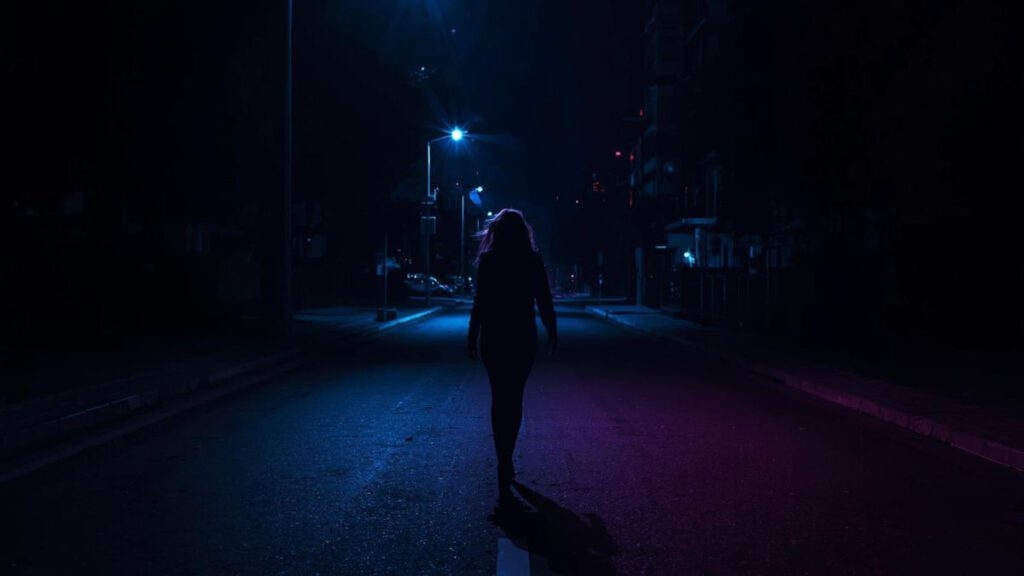
A young woman steps out of the metro late at night. Her hands grip her bag tightly, her eyes scan every face around her, and her heart beats faster as she looks for an auto. What should be a simple ride home turns into a test of courage.
She hesitates before getting in, because too often the driver smells of alcohol. His eyes linger too long. His words are too casual. Sometimes, he drives too slowly, or takes a longer route. Each second feels heavier. Each turn feels uncertain.
And the cruel truth? If she dares to walk alone instead, society doesn’t see a working woman. It sees a “characterless girl.” Because for many people, a woman on the road at night is not independent. She is suspect.

What is the price of a late night?
One delayed train. One extra hour at work. One birthday dinner that ends too late, and suddenly her parents are calling nonstop, terrified. They don’t worry because she’s weak. They worry because they know how unsafe this world still is for her.
She wants to take an Uber, but her mind fills with headlines of assault cases and stories of women who never reached home. She wants to trust the system, but she can’t. She has seen how many cases get dismissed, how often safety is treated like a luxury only some deserve.
Why does the indifference hurt most?
Society watches, and society forgets. People read the news, shake their heads, and scroll away. Governments issue statements but no action follows.
Is it too much to ask for visible police presence near metro stations, bus stops, and main roads at night? Is it too hard to ensure well-lit streets and verified night transport routes?
Every woman walking home alone deserves to feel protected, not preyed upon.
What does real progress look like for women?
We talk about women’s empowerment, equality, and freedom. What do those words mean when she can’t walk 500 meters alone after dark without fear? True progress isn’t when women are told to be “brave.” True progress is when they don’t need bravery to exist safely.
When a woman has to calculate risk before every step, when fear becomes part of her daily routine, when self-protection replaces peace, that isn’t freedom. It is survival.

What change do we need?
It is time for accountability. Governments must ensure strict night security: more patrolling, verified ride services, safe-zone check-ins, and harsher punishment for offenders. Public transport must guarantee safety, not suspicion. Above all, society must stop blaming women for their own fear.
Safety isn’t a “women’s issue.” It is a human right.
Where does hope come in?
Even after all this, women still go to work, study late, chase dreams, and return home under the same moon that others sleep peacefully beneath. They walk fast, heart racing, yet head held high, because they refuse to give up their freedom to fear.
But they shouldn’t have to fight this battle alone. The night should belong to everyone.
So the next time you see a woman walking home alone, don’t see her as “brave.” See her as what she should have always been allowed to be: safe.
FAQs about women’s safety at night
Why do so many women fear walking alone at night in India?
Unsafe transport, unpredictable drivers, poorly lit streets, and a pattern of dismissed cases all feed the fear. Social judgment adds another layer. A woman out alone at night is often treated as suspect rather than independent.
What steps can improve women’s night safety?
Visible police patrolling near metro stations, bus stops, and main roads. Well-lit streets. Verified night transport with tracked rides. Safe-zone check-ins and stricter punishment for offenders.
Why are ride-hailing services still a concern at night?
Women hear constant headlines of assault cases and stories of women who never reached home. Without verified drivers, tracked routes, and strong accountability, trust in ride services breaks down.
What should governments do to protect women at night?
Guarantee strict night security through patrolling, verified ride services, safe-zone check-ins, and harsher punishment for offenders. Public transport has to guarantee safety rather than treat women as suspects.
Is women’s safety a women’s issue or a social issue?
It is a social issue and a basic human right. As long as women have to calculate risk before every step, fear replaces freedom. Real change needs government action and a society that stops blaming women for their own fear.