
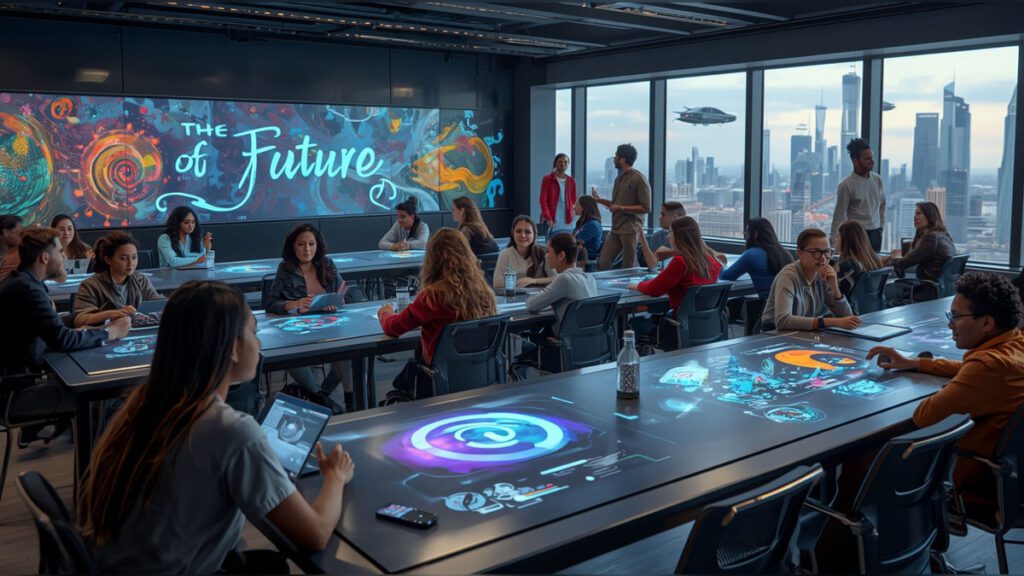
Short answer: The future of learning is fluid, personalised, and curiosity-led. Classrooms are giving way to ecosystems like Coursera, Skillshare, and Khan Academy, while Google, Microsoft, and IBM hire for skills over degrees. Studies from Harvard and the University of California show curiosity improves memory and problem-solving more than rote study.
Education is changing faster than any classroom can keep up with. The old system of memorising facts, sitting through lectures, and chasing grades is giving way to something more dynamic. The world no longer rewards what you know. It rewards how fast you can learn, unlearn, and relearn.
In this new era, curiosity is the ultimate skill. The people shaping the future are endlessly curious. They explore ideas, build new knowledge, and treat education as a mindset rather than a phase.
From institutions to ecosystems
Traditional education was built for stability. Fixed curriculums, rigid structures, standardised assessments. Today’s world thrives on agility. Jobs evolve, technologies shift, industries emerge overnight. The idea of a single career for life is fading fast.
Education itself is turning into an ecosystem: fluid, adaptive, and learner-driven. Platforms like Coursera, Skillshare, and Khan Academy have democratised access to world-class learning. Creators and professionals teach specialised skills on YouTube, X, and TikTok, turning the internet into the largest university in human history.
Learning has officially left the classroom.
Why is one-size-fits-all education ending?
No two minds learn the same way. For decades, education treated everyone as identical: same pace, same tests, same expectations. AI and personalised learning tools are dismantling that model.
Adaptive learning platforms now adjust lessons based on each student’s progress and behaviour. If you struggle with a topic, the system spends more time on it. If you master it, you move ahead.
This is not the future. It is happening now. Personalised learning helps students understand themselves, not only their subjects. The goal is to master learning itself.

What is driving the rise of self-education?
In the 2020s, the most valuable education may come from outside traditional schools. The self-taught creator, coder, or entrepreneur has become a new symbol of success.
You do not need permission to learn anymore. You need curiosity, Wi-Fi, and a growth mindset. People build careers from YouTube tutorials, online bootcamps, and peer-to-peer mentorship networks.
This self-education movement is driven by autonomy, the desire to learn at your own pace, for your own purpose. It is passion-driven progress, not pressure-driven performance.
Why is lifelong learning a lifestyle now?
Education once ended when you left school. Now, it begins there. In a rapidly changing economy, lifelong learning has become the norm.
Companies like Google, Microsoft, and IBM are shifting from degree-based hiring to skill-based recruitment. They care less about where you studied and more about what you can do.
That pushes people to continually upskill: new technologies, leadership strategies, creative thinking. The future belongs to those who treat learning as daily nourishment, not a one-time event.
How does curiosity shape intelligence?
Curiosity fuels innovation, creativity, and resilience. Studies from Harvard and the University of California show that curiosity enhances memory and problem-solving more effectively than rote study.
Curious minds see problems as puzzles. They ask “why” when others accept “what.” That mindset helps people adapt faster, think broader, and explore deeper.
Intelligence without curiosity is static. Curiosity without limits becomes evolution.

How is technology becoming the new teacher?
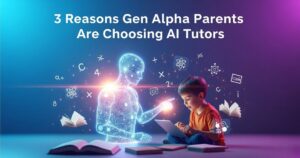
AI is not replacing teachers. It is amplifying them. Intelligent tutoring systems, language-learning bots, and immersive simulations are turning education into an interactive, personalised experience.
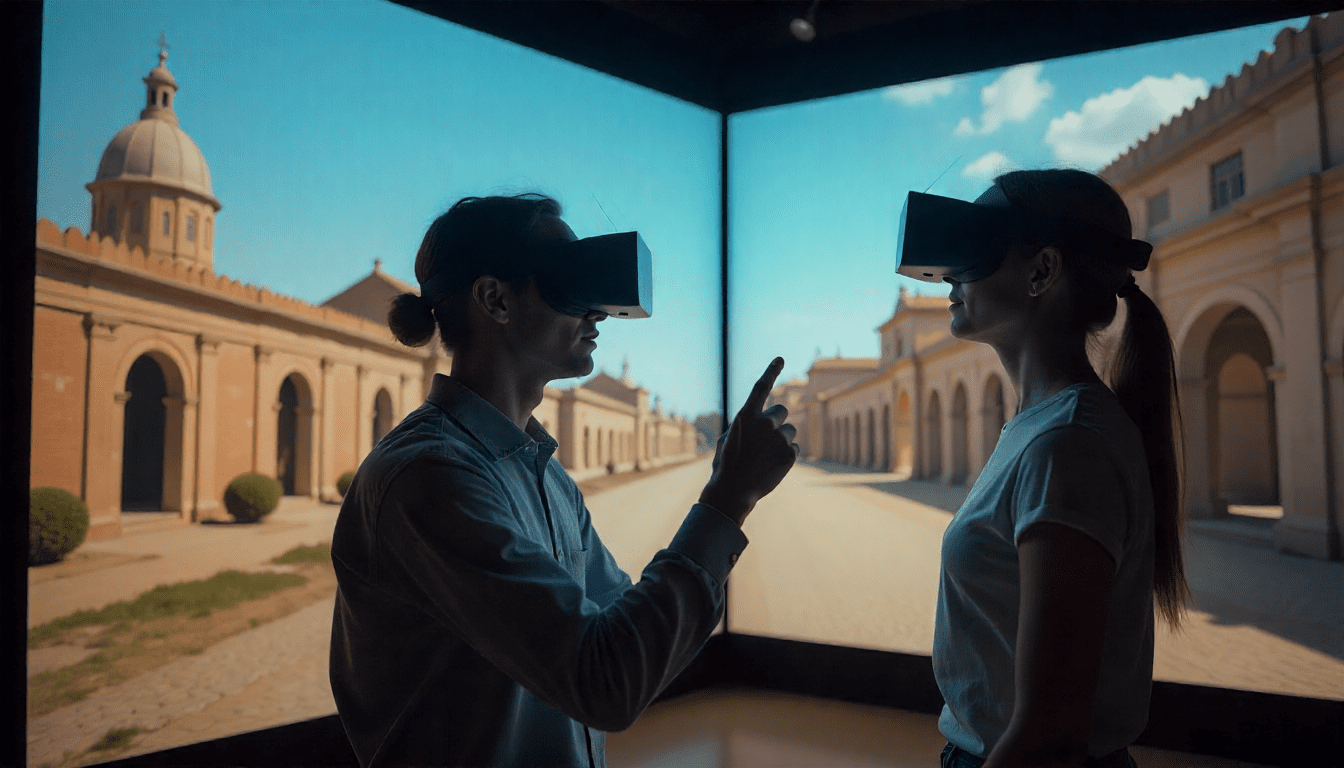
Imagine learning history by walking through ancient Rome in virtual reality, or studying anatomy through an AR model you can rotate in your living room. These technologies turn abstract knowledge into tangible experience.
Gamified apps like Duolingo and Brilliant already show how effective play-based education can be. The next decade will blur the line between gaming and learning entirely.
What are the soft skills of the hidden curriculum?
The most important lessons are not always academic. Emotional intelligence, empathy, adaptability, and communication are becoming the new core subjects.
As AI takes over repetitive tasks, human skills will define success. The ability to collaborate, lead with compassion, and solve complex social challenges will matter more than memorising equations.
Schools and workplaces are beginning to prioritise EQ over IQ. In a world run by algorithms, humanity itself becomes the competitive advantage.
How do you break the fear of failure?
One of the biggest shifts in the Learnspace revolution is redefining failure. Traditional education punishes mistakes. Modern learning celebrates them.
In the startup world, failure is not final, it is feedback. The same principle applies to personal growth. Every misstep teaches you what does not work, sharpening your intuition for what does.
That mindset turns learning into experimentation. When you stop fearing mistakes, you start creating innovation.
Why is community learning so powerful?
The future of learning is social. Online communities, Discord servers, and cohort-based courses are bringing learners together like never before.
Collaborative learning mirrors how we solve problems in the real world, in networks rather than in isolation. The collective exchange of ideas sparks breakthroughs.
Whether it is indie developers helping each other on GitHub or young creators sharing tools on Reddit, learning communities are shaping the next generation of thinkers.
Curiosity as the compass of the future
Education is no longer a destination. It is a lifelong journey. The walls of the classroom have fallen, replaced by infinite pathways of knowledge waiting to be explored.
In this Learnspace, curiosity is your compass. It keeps you learning long after grades fade and credentials lose meaning.
The future belongs to the endlessly curious: the thinkers who keep asking, the dreamers who keep exploring, the learners who never stop growing.
In a world where information is everywhere, the most powerful skill is knowing how to wonder.
FAQs on the future of learning
What does the future of learning look like?
The future of learning is fluid, personalised, and lifelong. It moves away from fixed classrooms toward ecosystems of platforms like Coursera, Skillshare, Khan Academy, YouTube, X, and TikTok, supported by AI tutors, AR and VR simulations, and cohort-based online communities.
Why is curiosity called the new intelligence?
Because in a world where information is everywhere, the rare skill is the drive to ask better questions. Studies from Harvard and the University of California show curiosity improves memory and problem-solving more than rote study, making it the engine of adaptation and innovation.
Is a college degree still worth it?
Degrees still matter in many fields, but companies like Google, Microsoft, and IBM are hiring on skills rather than credentials. Career outcomes increasingly depend on what you can do and how you keep learning, not only where you studied.
How do I start self-educating online?
Pick a specific goal, then combine structured courses on Coursera, Skillshare, or Khan Academy with free content on YouTube, X, and Reddit, plus practice apps like Duolingo or Brilliant. Join a Discord or cohort-based course to stay accountable and learn with others.
Will AI replace teachers?
AI is amplifying teachers, not replacing them. Intelligent tutoring systems, language-learning bots, and immersive simulations personalise practice and feedback, while human teachers focus on mentorship, emotional support, and higher-order thinking.