
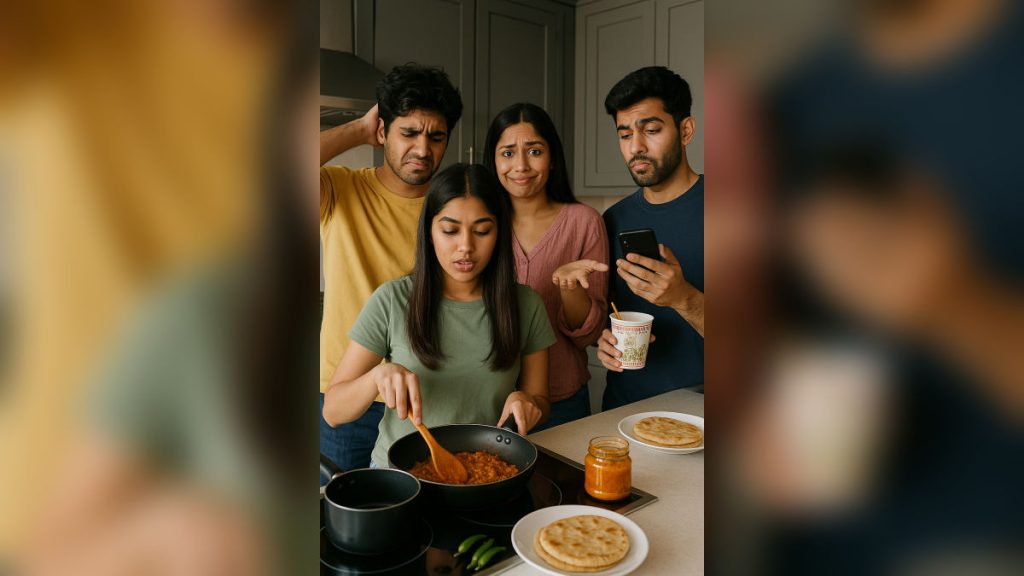
Short answer: Indian Gen Z can pick up cooking by starting with five basics, boiling rice, kneading atta, tadka, chai and a simple sabzi or dal. Lean on YouTubers like Hebbars Kitchen, Kabita’s Kitchen and Chef Ranveer Brar for visual recipes. Use ready mixes from iD Fresh, Gits or Aashirvaad on lazy days. Per Foodism.xyz, over 70% of Gen Z Indians already use social media for food inspiration, so use what’s already in your scroll.
If the idea of stepping into a kitchen gives you mini panic attacks, you’re not alone. For a lot of Indian Gen Z, cooking feels like a mysterious rite of passage meant only for moms, grandmas, or MasterChef contestants. But guess what? You don’t need to be Sanjeev Kapoor to whip up a decent meal. Cooking isn’t a talent, it’s a survival skill. And like every skill, it’s totally learnable.
This guide is your friendly nudge into the kitchen, without the pressure, the jargon, or the fear of burning down the house.
Why does everyone suck at first (and that’s fine)?
Let’s be honest. No one is born knowing how to make a perfect tadka dal. Cooking is one of those things you learn by doing. And messing up.
You learn by failing (yes, even in the kitchen)
Your first roti might come out shaped like the map of Australia. Or you might add jeera instead of sugar in your chai. It happens. Every Indian household has stories of cooking disasters. Like that time I tried to “wing it” and accidentally added garam masala to Maggi. It wasn’t great, but I didn’t die. And I never made that mistake again.
Lesson: don’t aim for perfection. Aim for progress. “Tastes okay” is a win when you’re starting out.
How do you tap into your superpower, the internet?
As digital natives, Gen Z has a huge edge. Access to everything. Including easy, beginner-friendly cooking content.
YouTube is the new cooking school
From Indian YouTubers like Hebbars Kitchen, Kabita’s Kitchen, or Chef Ranveer Brar, you’ll find thousands of videos that walk you through recipes step-by-step. Watching someone knead dough or temper mustard seeds visually helps more than reading a recipe ever will. You can pause, rewind, and learn at your own pace. No pressure. No judgement.
Instagram and Reels equal bite-sized recipes
A quick scroll through Insta or YouTube shorts will flood you with 30-second meal hacks, fusion ideas and quirky experiments. Platforms like Foodism.xyz have found that over 70% of Gen Z Indians use social media for food inspiration. These videos make cooking look fun, and that’s half the battle won.
Search smarter, not harder
Try keywords like:
- “Easy Indian recipes for beginners”
- “5-ingredient meals”
- “Bachelor cooking hacks”
- “Hostel food made tasty”
Even if you’re in a PG or away from home, there’s plenty you can manage with just a gas stove or induction cooktop.
What should you master before going full desi chef?
Forget biryani. Forget butter chicken. Start with foundation techniques.
The essential Indian skillset
Here’s what you need first:
- Boiling rice or kneading atta — everyday basics
- Tadka (tempering spices) — the heart of Indian cooking
- Making chai — you’ll become everyone’s favourite roommate
- Simple sabzi stir-fry — aloo, bhindi, gobhi, whatever you have
- Basic dal — trust me, nothing more comforting
These five skills alone can keep you full and functional.
Practice makes palatable
Repeat them. Again and again. You’ll start noticing small things, how cumin splutters, when the oil is hot enough, how haldi can stain your clothes forever. The more you do, the better you get.
How do you make life easier, work smarter not harder?
You’re balancing college, work-from-home gigs, reels, mental health and meme scrolling. Cooking shouldn’t be a burden too.
Meal kits and ready mixes
Brands like iD Fresh, Gits and Aashirvaad are making life easier with ready-to-use dosa batter, instant upma mix, or rotis that just need heating. Even Swiggy Instamart delivers these within minutes in metros. Meal kits are great for beginners because they save time, reduce wastage and remove guesswork.
Desi meal prep equals weekday lifesaver
Cook a big batch of rice, dal or sabzi on Sunday night. Refrigerate or freeze in boxes. You can then mix and match all week. Add curd, pickle, or fry an egg for variety.
One-pot desi wonders
From khichdi to pulao to poha, India is full of single-vessel meals that are nutritious and quick. No complicated steps, no endless dishes to wash.
How do you set up your desi starter kitchen?
You don’t need a modular kitchen or fancy appliances. The essentials will do.
Tools you’ll actually use
- Pressure cooker (lifesaver for dal, rajma, chana)
- Non-stick pan or kadhai
- Basic knife and chopping board
- Spatula, ladle and strainer
- A couple of steel or ceramic plates, bowls and storage boxes
That’s it. No air fryers or blenders required (unless you’re into smoothies).
Pantry staples you should always have
- Rice, atta (wheat flour), lentils (moong, masoor, toor)
- Basic spices: haldi (turmeric), jeera (cumin), rai (mustard seeds), mirchi (chilli), garam masala
- Salt, oil (mustard or sunflower), ghee
- Onion, tomato, green chilli, ginger-garlic paste
With these in your kitchen, you can cook at least 10 different dishes with little effort.
How do you ask, learn and share without doing it solo?
Learning doesn’t have to be a solo grind.
Talk to your parents (they’ll be thrilled)
Call your mom and ask her how to make dal. She’ll probably be so happy, she might even video-call you with a full demo. Bonus: family recipes are always better than Googled ones.
Learn with friends or roommates
Have a mini cook-off with your flatmates. Rotate duties, one makes dal, another makes roti. It’s more fun, and you learn faster by watching others.
Try offline classes
If you’re in a city like Bengaluru, Mumbai or Delhi, there are tons of beginner cooking workshops happening every week. Check out local event apps like BookMyShow or Airbnb Experiences.
Closing thoughts: from struggle meals to signature dishes
Cooking is one of the most underrated adulting skills. It isn’t only about saving money or avoiding food poisoning from leftover momos. It’s about confidence, self-reliance, and feeling good about making something with your own hands.
Whether it’s Anda Bhurji at midnight, or chai and pakoras during monsoons — you’ll be surprised how satisfying it feels to cook for yourself (and others).
So, dear Gen Z, put down the Zomato app for one night. Try making something. Burn it, maybe. Laugh, learn, try again. Your future self will thank you for it.
FAQs about Gen Z Indian cooking for beginners
What are the easiest Indian dishes for beginners to start with?
Start with five basics: boiled rice, kneaded atta for rotis, a simple dal, a basic stir-fry sabzi like aloo or bhindi, and a proper tadka. These cover most everyday meals and teach the core techniques you’ll reuse forever.
Which YouTube channels are best for learning Indian cooking?
Hebbars Kitchen, Kabita’s Kitchen and Chef Ranveer Brar are popular for beginner-friendly Indian recipes with clear visual steps. They cover everything from chai to one-pot meals, and you can pause and rewind at your own pace.
What kitchen tools does an Indian Gen Z beginner actually need?
A pressure cooker, a non-stick pan or kadhai, a basic knife and chopping board, a spatula and ladle, and a few plates and storage boxes. That’s enough to cook dal, rice, sabzi and one-pot meals like khichdi or pulao.
Are ready-made meal kits worth it for hostel students?
Yes. Brands like iD Fresh, Gits and Aashirvaad sell ready dosa batter, instant upma and pre-cooked rotis that cut prep time and waste. They’re useful on busy days, though learning the basics first will save more money long term.