
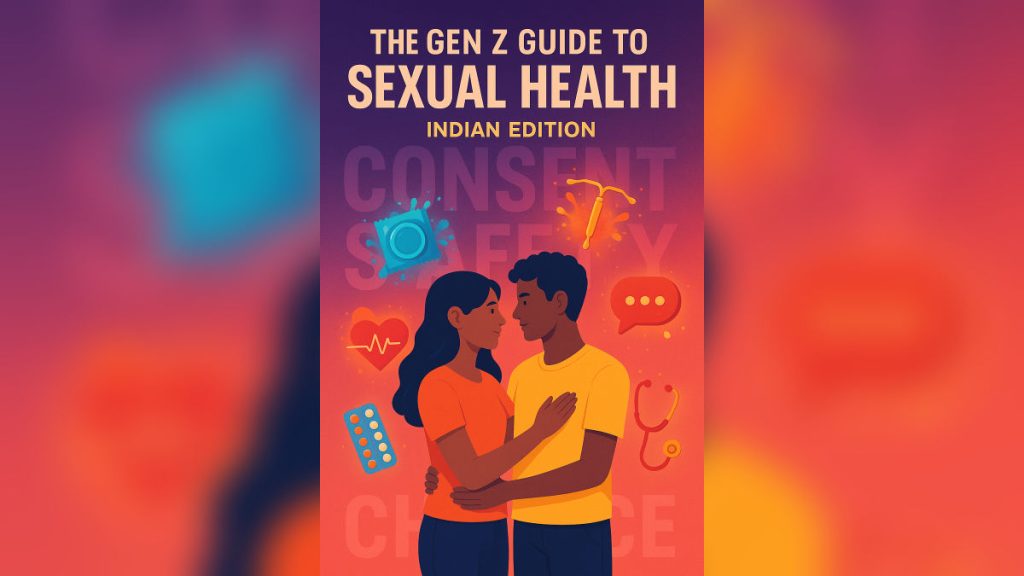
Short answer: Sexual health for Gen Z in India is more than avoiding STIs and pregnancy. It’s consent, communication, contraception, regular testing and mental health, all rolled together. STI awareness among urban Indian youth is still below 40% (Indian Journal of Public Health, 2023), so getting reliable info from sources like The YP Foundation, Love Matters India and the WHO matters more than ever.
Sexual health isn’t only about avoiding STIs or preventing pregnancies. It’s about understanding your body, making empowered choices, and embracing your identity with care. For Gen Z in India, where conversations about sex still stay hushed or outright taboo, this landscape can feel confusing, overwhelming, sometimes isolating. The good news? You’re not alone, and you deserve clear, judgement-free, inclusive information.
Whether you’ve just hit your late teens or you’re in your early twenties, this is your no-shame, no-filter roadmap to owning your sexual health journey in a desi context.
Why is it normal to have questions about your body?
Curiosity isn’t a flaw
First things first. Having questions about your body, sex, attraction or relationships is completely normal. Curiosity doesn’t make you “bad” or “overthinking”. It makes you human. And despite what your school textbooks skipped, or what your elders quietly avoided, sexual health is a vital part of your overall well-being.
You are in control
You get to decide what you’re ready for and when. No one, not your partner, peers, or even social media, has the right to pressure you into anything. Consent isn’t just about saying “yes” or “no”, it’s about being enthusiastically on board, every step of the way.
As Femina magazine puts it, “It’s never too late to say no or stop.” Your boundaries matter, and they deserve respect.
Explore pleasure without pressure
You don’t have to “perform” or meet anyone’s expectations. Understanding what brings you pleasure, physically and emotionally, is a journey. There’s no “right” age or way to start. Discovering what you like and what makes you feel safe is part of building a healthy relationship with your body.
Where can you actually get real sex education?
Real sex ed, finally
Let’s be honest. Sex education in Indian schools often stops at “how babies are made”, if you’re lucky. What we really need is comprehensive sex ed that covers:
- Safe sex practices
- Gender identity and sexual orientation
- Consent and sexual boundaries
- Communication in relationships
- Body positivity and mental health
Many Indian institutions fall short here. But thanks to digital platforms, Gen Z has more access than ever, as long as you know where to look.
Don’t trust everything online
YouTube, Instagram and Reddit can offer some insights. Not all of it is factual, or even safe. Be careful about what you absorb. Always cross-check with trusted sources like:
- The YP Foundation
- Love Matters India
- Planned Parenthood (global, but informative)
- WHO’s official website
And avoid taking porn as education. It’s made for entertainment, not reality. It rarely shows consent, diversity, protection or real-life emotion.
How do you have honest conversations about sex?
Start with your partner
Healthy sex begins with healthy communication. Before things get intimate, talk openly about:
- Boundaries and comfort zones
- Protection methods (condoms, birth control and so on)
- STI testing history
- What you like, and what you don’t
It might feel awkward initially, especially in a culture that discourages open talk. But trust us, clarity before intimacy avoids confusion after.
Seek help when needed
If these conversations feel hard, or if you’re carrying emotional stress, there’s no shame in talking to a therapist or counsellor. Many organisations in India offer confidential and youth-friendly counselling, both online and offline. A mental health professional can help you build the confidence and clarity you need.
What sexual health practices actually protect you?
Use condoms, even in long-term relationships
Condoms are the MVPs of sexual health, they protect against STIs and unintended pregnancies. They’re widely available, inexpensive and easy to use. Don’t skip them, even if your partner insists. Protecting yourself isn’t “unromantic”, it’s responsible.
Get tested regularly
If you’re sexually active, getting tested for STIs isn’t something to feel ashamed about. It’s smart, safe and respectful, toward yourself and others. Common tests include HIV, chlamydia, gonorrhoea and syphilis. Many urban clinics in India offer discreet, affordable testing.
According to a 2023 Indian Journal of Public Health report, STI awareness among urban Indian youth remains below 40%. It’s time to change that.
Explore other birth control methods
Beyond condoms, look at:
- Oral contraceptive pills
- IUDs
- Emergency contraceptives like iPill, but not for regular use
- Hormonal patches or injections, after consulting a gynaecologist
Every method has pros and cons, so talk to a medical professional to find what works for you.
Get vaccinated
The HPV vaccine is a game-changer, it helps prevent cervical cancer and other sexually transmitted infections. It’s ideally taken between ages 9 and 26, but even if you’re older, it’s worth discussing with your doctor.
Why does mental health matter for sexual health?
Sexual health isn’t only physical. It’s deeply tied to your mental and emotional well-being. Stress, anxiety, low self-esteem and trauma can all affect desire, performance and comfort.
An article in the Indian Journal of Psychiatry (2022) highlights how mental health challenges are directly linked to sexual dysfunction among young adults.
If you’re feeling disconnected or distressed, don’t bottle it up. Talk to professionals, trusted adults, or support groups. There’s strength in asking for help.
Real stories, real people
Ishita, 21, from Delhi shares, “When I first started exploring my sexuality, I was so confused and scared to ask questions. But then I found a youth health NGO that answered everything, without judging. That’s when I realised how empowering knowledge can be.”
Rizwan, 20, from Hyderabad adds, “Talking to my partner about getting tested felt weird at first, but she appreciated it. It made our relationship stronger, and now we always discuss things openly.”
Final thoughts, own your journey
Sexual health isn’t a one-time checklist. It’s a lifelong journey. And for Gen Z in India, that journey takes courage, to ask questions, challenge taboos, set boundaries, and advocate for yourself.
You’re not too young to take your health seriously. You’re not wrong for being curious. And you’re never alone in this.
So let’s break the silence, normalise real conversations, and build a culture where sexual health is treated with the respect, honesty and dignity it deserves.
FAQs about Gen Z sexual health in India
What does sexual health really mean for Indian Gen Z?
It means understanding your body, knowing about safe sex and contraception, getting tested when needed, communicating with partners, and looking after your mental health alongside the physical. It’s wider than just avoiding STIs or pregnancy.
How do I bring up condoms or STI testing with a partner without it being awkward?
It feels awkward, until you do it. Frame it as care, not accusation, something like “I’d feel safer if we both got tested before things go further.” Honest conversations before intimacy build trust and avoid much bigger issues afterward.
Where can young Indians get reliable sexual health information?
The YP Foundation, Love Matters India, Planned Parenthood and the WHO’s official website are all credible. Avoid using porn or random Reddit threads as sources, they often misrepresent consent, diversity and real emotion.
Is the HPV vaccine worth getting in India?
Yes. The HPV vaccine helps prevent cervical cancer and several STIs. It’s ideally taken between ages 9 and 26, but even if you’re older, it’s worth a conversation with your doctor about whether it still benefits you.
Where can I get confidential sexual health counselling in India?
Many NGOs and clinics offer youth-friendly, confidential counselling, both online and offline. Online platforms make it easier if your home environment doesn’t allow open conversations. A mental health professional can help you work through both emotional and sexual health concerns together.