Short answer: Gen Z entrepreneurs are rewriting business rules by rejecting 100-hour hustle culture, learning from TikTok and YouTube instead of MBAs, and using AI tools like ChatGPT, Notion AI and Canva to run lean ventures solo. They chase impact over billions, build Discord and co-working communities instead of competing, and treat sustainability, ethics and mental health as non-negotiable foundations.
For years, the phrase “hustle culture” defined ambition. Gen Z is changing the meaning of success. This generation does not dream of 100-hour workweeks or fancy corner offices. They want balance, authenticity and purpose.
Unlike previous generations who saw entrepreneurship as risky, Gen Z treats it as normal. Whether it is starting a digital thrift brand, launching a creative agency from their bedroom, or monetising niche skills online, they are proving that business is not just about profit, it is about passion and identity.
Why is the 9-to-5 dream dying for Gen Z?
The pandemic cracked open a truth: traditional employment is not the only path to stability. Gen Z witnessed layoffs, burnout and toxic corporate hierarchies, and decided to do things differently.
They are opting for freelance freedom, hybrid work setups and side hustles that grow into full-time ventures. Many have traded climbing ladders for building their own. The shift is not rebellion, it is evolution.

How is social media the new business university?
Forget MBAs. TikTok and YouTube have become the classrooms of the modern entrepreneur. Thousands of creators teach marketing, finance and e-commerce through short, actionable content.
From Shopify tutorials to dropshipping breakdowns, Gen Z learns business through storytelling and real examples, not textbooks. It is democratised education at scale. Anyone with Wi-Fi and curiosity can become a founder.
How does Gen Z redefine money with meaning?
Another difference is how Gen Z views money. They are not chasing billions, they are chasing impact. Sustainability, ethics and transparency are not buzzwords, they are the foundation of their business decisions.
Brands that ignore social responsibility are losing traction. Whether it is eco-friendly packaging, fair wages, or mental health advocacy, young founders are proving that doing good and doing well can coexist.

Why is community the new currency for Gen Z founders?
Instead of competing, many Gen Z entrepreneurs are collaborating. Discord groups, online forums and co-working collectives are replacing boardrooms. Networking has gone digital, and more inclusive.
These communities are about more than sharing resources. They are about emotional support. In a landscape where burnout is common, this sense of shared mission keeps creativity alive.
How does AI power Gen Z entrepreneurship?
With tools like ChatGPT, Notion AI and Canva, the solo founder can now do the work of an entire team. Automation allows Gen Z entrepreneurs to focus on creativity and storytelling rather than logistics.
They are also cautious. While AI helps them scale, they understand that human authenticity drives trust, something algorithms cannot replicate.

What does the future of work look like?
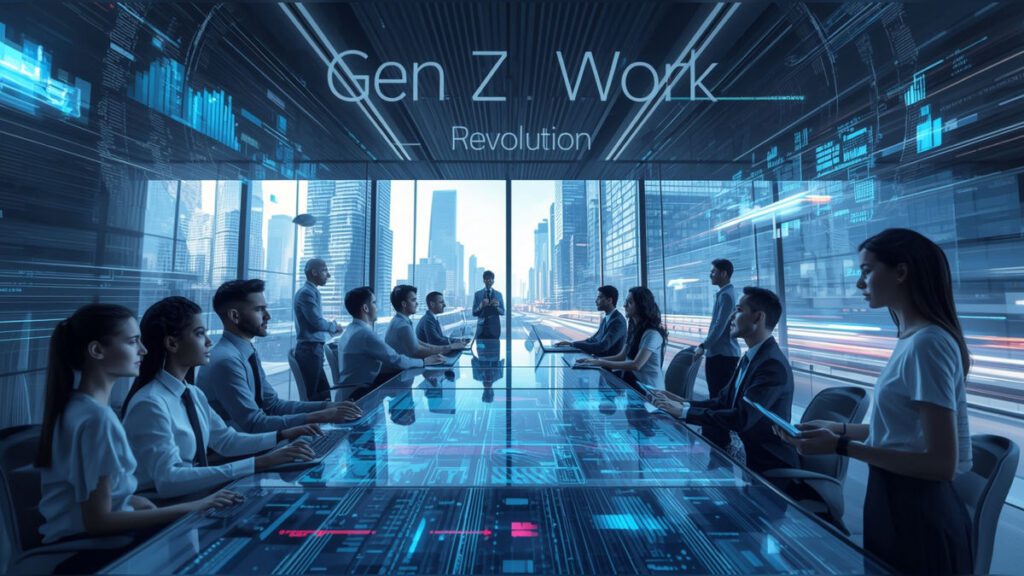
The new business world will not be defined by titles or offices. It will be defined by adaptability. Gen Z’s work culture blends technology, purpose and flexibility in ways older systems cannot replicate.
They are proving that innovation is not born in boardrooms anymore. It is born on phones, in cafes, and in the minds of creators who refuse to follow the rules.
FAQs about Gen Z entrepreneurs
What defines Gen Z entrepreneurship?
Gen Z entrepreneurs prioritise purpose, balance and authenticity over traditional hustle culture. They treat entrepreneurship as a normal career path and blend freelance work, side hustles and full-time ventures.
How do Gen Z founders learn business skills?
Most learn through TikTok, YouTube and creator-led content covering marketing, finance and e-commerce. Shopify tutorials and dropshipping breakdowns are common entry points.
Which AI tools do Gen Z entrepreneurs use?
ChatGPT, Notion AI and Canva are the most common. These tools let solo founders handle marketing, design and operations that used to need a full team.
Why do Gen Z entrepreneurs care about sustainability?
Gen Z sees sustainability, ethics and transparency as non-negotiable. Eco-friendly packaging, fair wages and mental health advocacy are treated as business fundamentals, not marketing add-ons.
Where do Gen Z entrepreneurs build communities?
Discord groups, online forums and co-working collectives are the new boardrooms. These spaces offer resource sharing and emotional support, which helps combat burnout.