Short answer: The 2025 cultural reset is a fast, overlapping shift across AI creativity, meme-driven politics, maximalist pop culture, Gen Z-led climate activism, digital identity, clean energy, and cross-border youth culture. Platforms like Sora, Runway and OpenAI tools are remaking creative work, TikTok is the new podium, artists like Billie Eilish and Rosalía are leaning maximalist, and nuclear fusion is showing early commercial signs.
2025 has already shown that change isn’t seasonal anymore, it’s constant. Every month rewrites how we live, work and interact. From digital to political, from pop culture to planetary crises, the world is in what many call a “cultural reset.”
The question isn’t what’s trending? anymore. It’s what’s transforming? The modern era is defined by the speed at which events ripple across the global consciousness.
How is AI reshaping creativity in 2025?
The first half of 2025 has been dominated by the fusion of technology and human emotion. Artificial intelligence isn’t just a tool, it’s a collaborator, a storyteller, a creative partner. Platforms like Sora, Runway and OpenAI’s suite of creative tools are shaping everything from film production to journalism.
Artists and designers are blending machine precision with human imperfection to create works that feel eerily real yet emotionally charged. This push-and-pull between man and machine is redefining what “authentic” means.
As creativity gets automated, new ethical questions appear. Who owns AI-generated art? What does originality mean when anyone can generate brilliance with a prompt?
How have politics and pop culture collided?
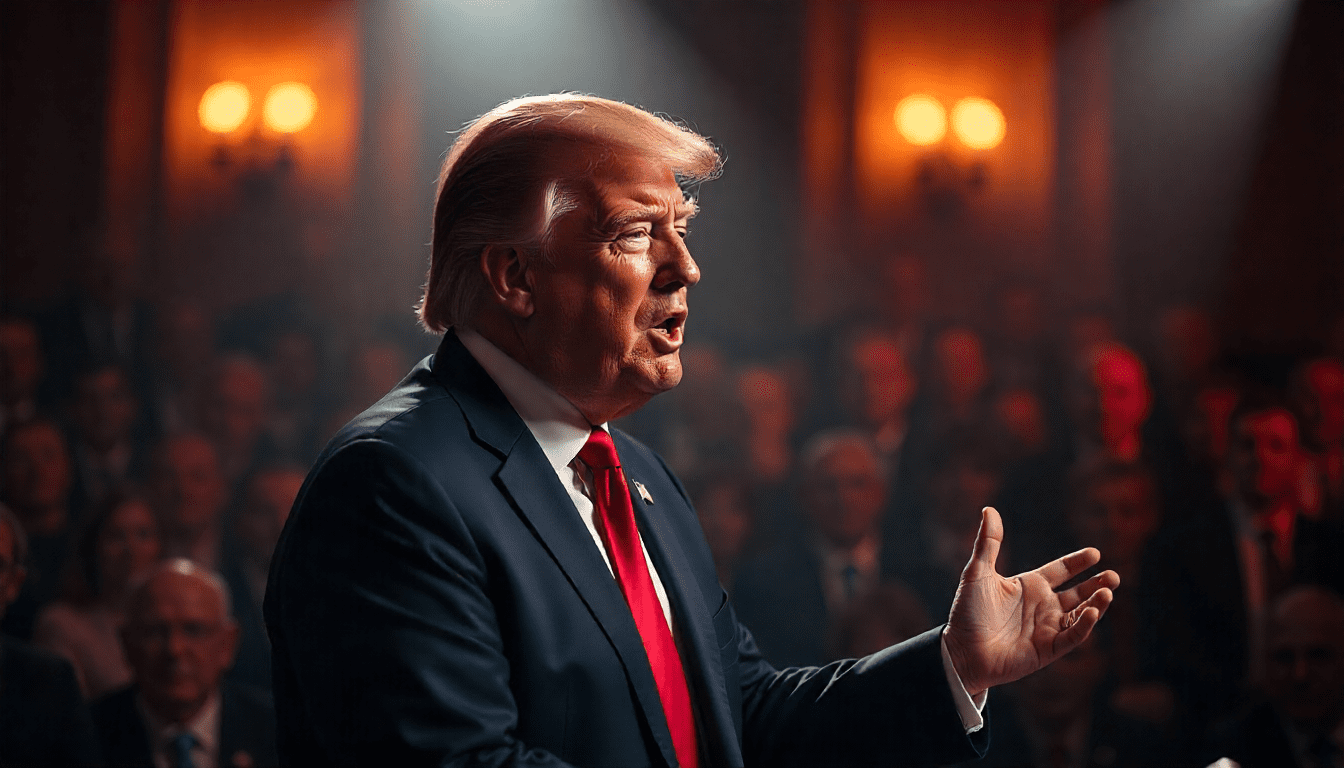
In 2025, the line between governance and entertainment has blurred further. Global leaders use TikTok to announce policies, while influencers discuss climate reform with the same energy as product launches. The public sphere has turned into a theatre, sometimes enlightening, sometimes chaotic.
This new form of political communication is fast, memeable and often polarising. It’s also making complex issues more accessible to younger audiences. The “infotainment” model, once dismissed as shallow, is how millions learn about world affairs today.
Authority now competes with relatability. Those who can communicate with authenticity, not formality, hold the real power.
Why does 2025’s pop culture feel experimental again?
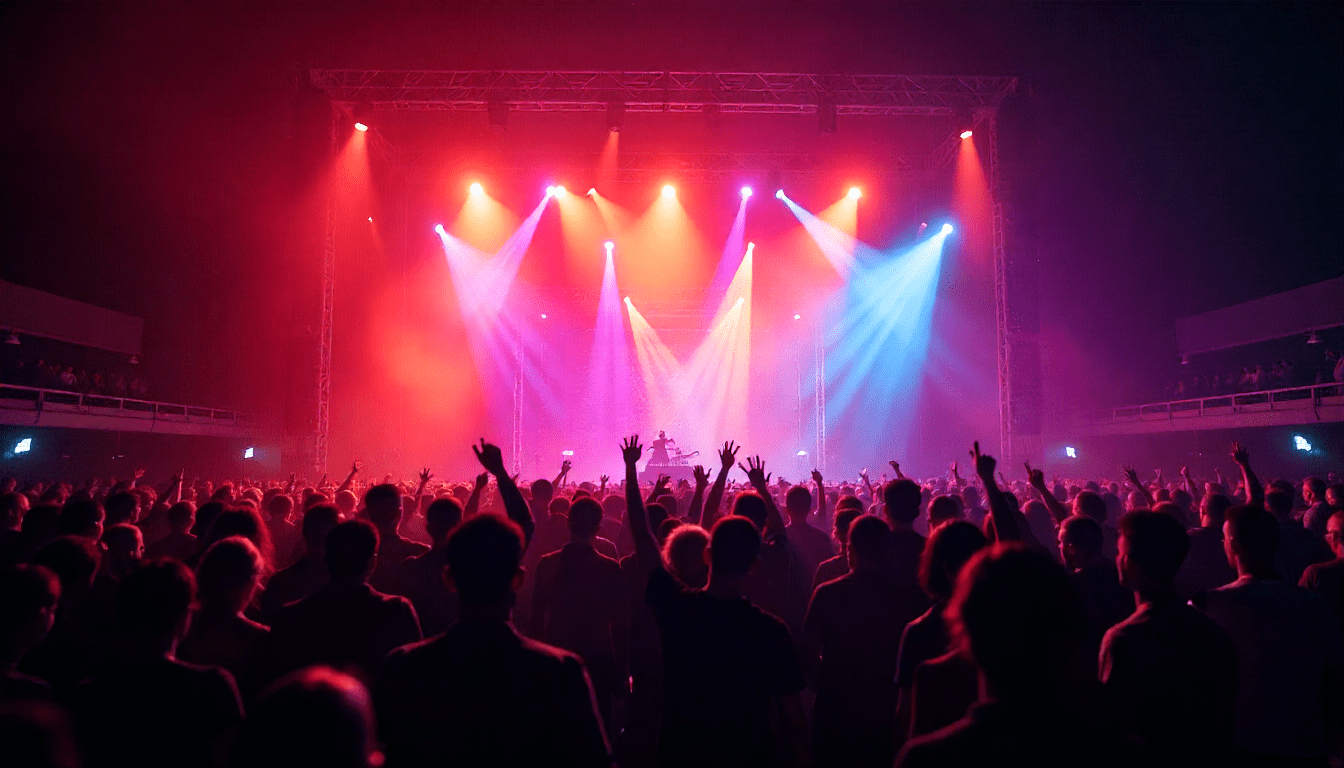
From music to fashion, 2025’s pop culture is experimental again. Maximalism is back, bold colours, chaotic design, emotional lyrics, unapologetic individuality. Artists like Billie Eilish and Rosalía are embracing visual storytelling through short-form films, while brands like Balenciaga and Loewe are blurring fashion with digital performance.
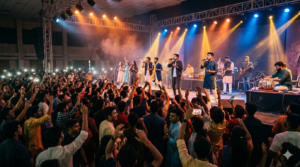
Festivals are making a comeback, blending physical experiences with digital extensions. Attendees get AR layers that let them interact with virtual art and live analytics of the crowd’s emotions. Events feel part concert, part simulation, part shared consciousness.
What is the Green Awakening 2.0?
Climate change awareness isn’t new, but its activism has evolved. Today’s movements are less about protest and more about participation. Communities are turning sustainability into a lifestyle rather than a slogan.
From solar-powered fashion shows in Europe to zero-waste restaurant chains in Asia, “eco” has become both a value and an aesthetic. Gen Z consumers now demand traceable, transparent impact, and companies that can’t prove it are getting cancelled faster than ever.
2025’s “Green Awakening” isn’t just about saving the planet. It’s about redefining success as sustainability.
How is digital identity creating parallel lives?
Identity has expanded beyond the physical. Thanks to AR filters, metaverse platforms and AI companions, millions now curate parallel lives online.
These digital versions of ourselves, sometimes idealised, sometimes invented, raise deep questions. How much of what we post reflects who we are? Can authenticity survive a world of algorithmic performance?
The irony is that as digital avatars get more advanced, people crave realness more than ever. The internet, once an escape, is becoming a mirror that reflects both our desires and our insecurities.
What is driving the global energy shift?
One of the most significant real-world happenings of 2025 has been the quiet but profound shift in the global energy landscape. Countries are doubling down on renewables, and nuclear fusion projects are finally showing early signs of commercial viability.
The result is a slow pivot away from fossil dependence, not only environmental but geopolitical. Energy independence is the new power currency. Whoever masters clean energy storage may dominate the global economy of the next decade.
How is global youth culture connecting across borders?
From Seoul to São Paulo, youth culture is blending at unprecedented speed. Music collaborations cross borders effortlessly, and social media challenges travel the world within hours. The global youth identity is a shared, evolving ecosystem, multilingual, multi-platform, multi-dimensional.
In this hyperconnectivity, cultural uniqueness isn’t lost. It’s amplified. Local traditions, languages and aesthetics are thriving online, celebrated instead of erased. 2025’s global culture shows the world can be united and diverse at once.
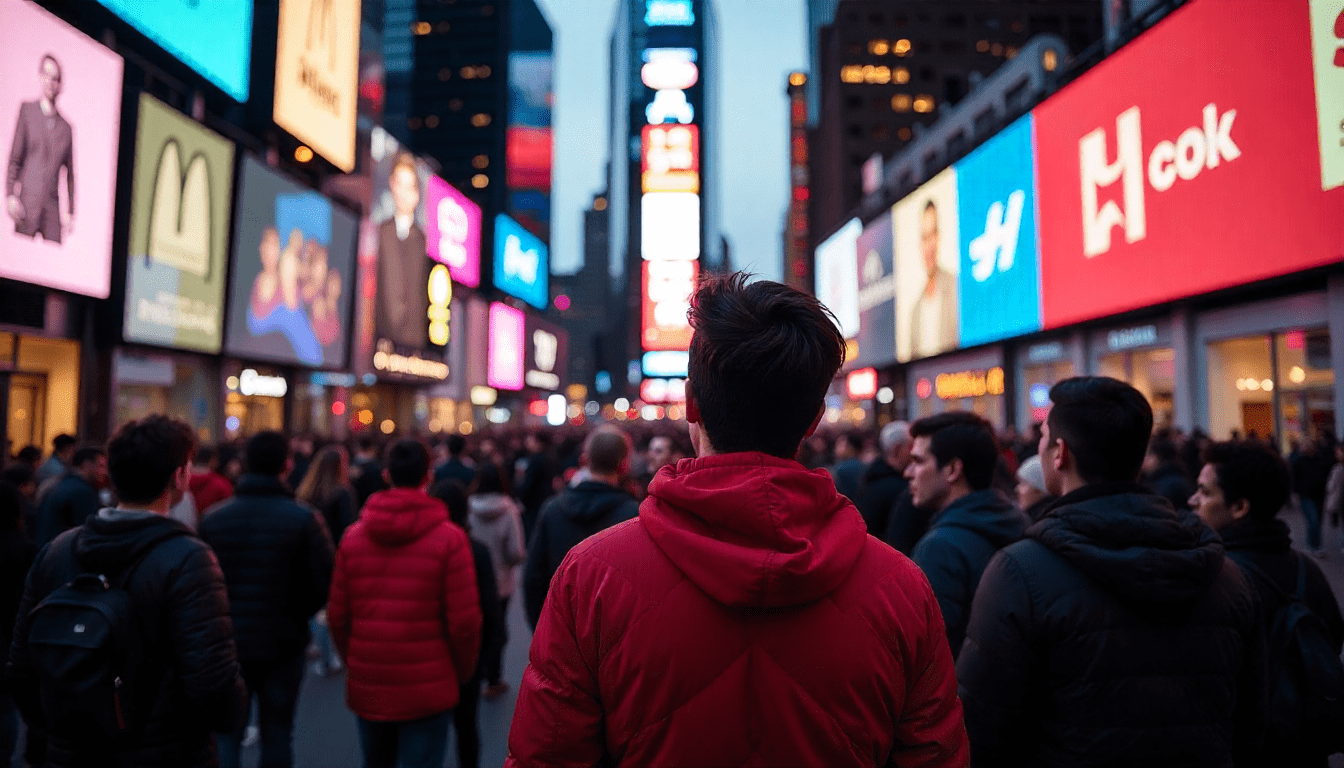
Living in the Great Reset
We’re no longer spectators of change. We’re participants. Every like, share, protest and purchase decision shapes what the world looks like next.
The “Happenings” of today are more than events. They’re signals of evolution. The way we create, connect and care is being rewritten in real time.
The challenge, and the opportunity, is staying conscious amid the chaos. In 2025, the future doesn’t arrive suddenly. It happens, one moment, one movement, one meme at a time.
FAQs about the 2025 cultural reset
What is the cultural reset of 2025?
It’s the simultaneous shift across technology, politics, pop culture, climate, identity and energy that’s redefining how we live and communicate globally. Think AI creative tools like Sora and Runway, TikTok-era politics, maximalist pop, Gen Z climate activism, metaverse identity and nuclear fusion progress.
Which AI tools are reshaping creative work in 2025?
Sora, Runway and OpenAI’s suite of creative tools are leading the shift. They are remaking film production, journalism and design by blending machine precision with human imperfection.
Why are Gen Z consumers driving the Green Awakening?
Gen Z demand traceable, transparent sustainability, and they cancel companies that can’t back up eco claims. Movements have shifted from protest to participation, and “eco” is now both a value and an aesthetic, from solar-powered fashion shows in Europe to zero-waste restaurants in Asia.
How are politics changing on social media?
Global leaders use TikTok to announce policies, and influencers discuss climate reform alongside product launches. The “infotainment” model, once dismissed as shallow, now informs millions, and authenticity beats formality as the real source of power.
What does digital identity mean in 2025?
People curate parallel lives through AR filters, metaverse platforms and AI companions. These avatars can be idealised or entirely invented, raising questions about authenticity and how much of online life reflects who we really are.