Short answer: The moments we remember most are rarely the big ones. Memory holds onto late-night walks, easy conversations, and slow mornings. Meaning hides in the ordinary, and a meaningful life is built from small, present moments rather than future milestones.
There is a strange truth we only understand with time: the moments we remember most are not always the milestones, the achievements, the celebrations, or the loud declarations.
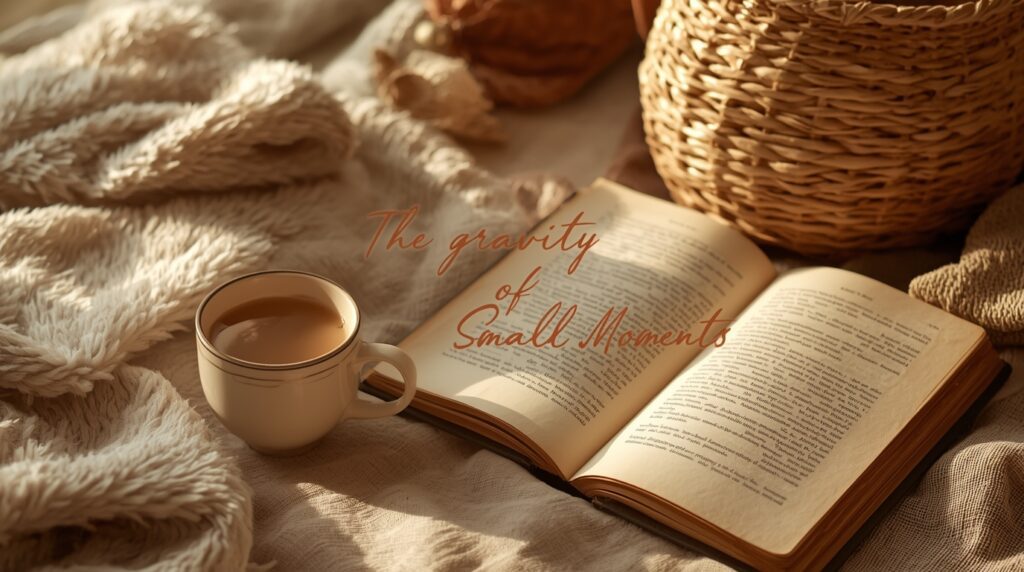
Instead, memory tends to hold onto the quieter things: the late-night walks with no destination, the conversation that felt effortless, the laughter that arrived unexpectedly, the sunlight through a window during a slow morning.
Life teaches us, softly and patiently, that meaning rarely appears wrapped in grandeur. It hides in the ordinary. It whispers through routine. It blooms in silence. And yet, so often, we rush past it.
Why do we chase the future and miss the present?
We grow up believing life exists in the future, in goals, in milestones, in the next era of becoming. We chase achievement the way children chase kites: breathless, unaware of how tangled the string is becoming.
We tell ourselves: “When I graduate…” “When I move…” “When I finally earn enough…” “When everything makes sense…”
But life is not waiting at some imagined finish line. Life is happening right now, in the space between plans, in the pauses between responsibilities, in the seconds we do not treat as important.
The problem is not that we do not have meaningful moments. It is that we rarely notice them while they are happening.
Why do ordinary things quietly shape our lives?
There is a tenderness in small things. The first sip of warm coffee on a cold morning. The playlist that perfectly matches your mood. The way someone remembers how you take your tea. The comfort of a familiar sweater. The feeling of air at night just before rain.
These are moments that do not demand attention, yet somehow deserve it. The ordinary is not empty. The ordinary is the framework that holds everything together.
How does documenting life replace actually living it?
Modern life trains us to document rather than experience, to turn existence into aesthetic, moments into content, and presence into performance.
We take photos so we do not forget, but sometimes the act of capturing replaces the act of living. There is a difference between remembering and collecting proof.
Sometimes the most meaningful moments are the ones no one else sees. Not because they were not worthy, but because they were enough without being shared. Presence is the quiet rebellion against a world that wants everything recorded.

Which people make time feel softer?
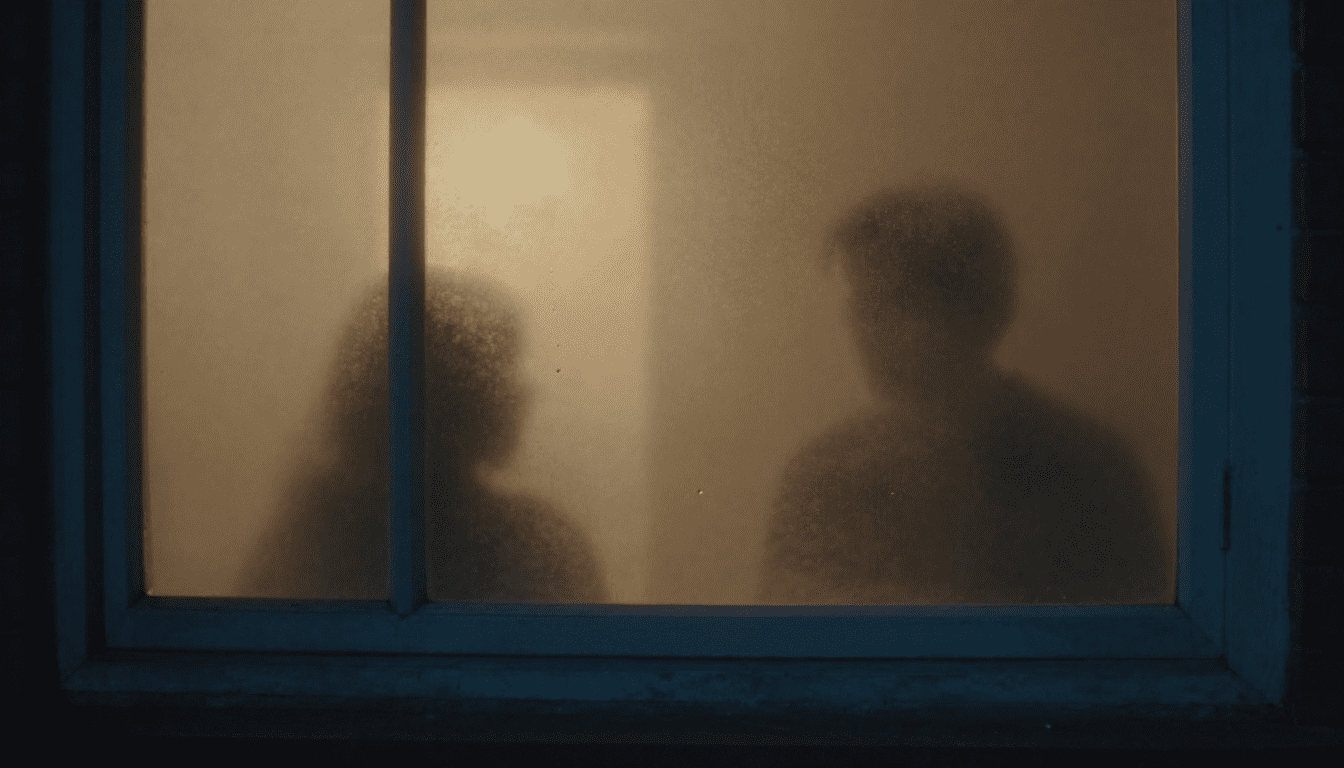
Some people do not change your life dramatically. They change its pace. With them, time feels slower. Softer. More breathable. You do not have to entertain, impress, or perform. You can simply exist.
It is not always the person you have known the longest. Sometimes it is someone you met recently who sees you clearly, without needing your history to understand your heart.
These connections remind us that belonging is not measured in time, but in ease.
Why do small moments become the memories we keep?
There will come a day, weeks, months, years from now, when you will look back and realise a moment was meaningful. Not because it changed the world, but because it changed you.
The drive with music playing too loud. The quiet afternoon doing nothing together. The spontaneous decision to choose joy over expectation. The night you laughed until your stomach hurt.
It never feels big while you are living it. It feels normal. But normal is what life is made of.
How do you slow down in a culture that rewards speed?
Maybe meaning does not come from chasing more. Maybe it comes from noticing more. From slowing down. From breathing deliberately. From treating the present as something worth inhabiting fully.
Life is not asking us to perform. Life is asking us to feel.
What does staying awake to your own life really mean?
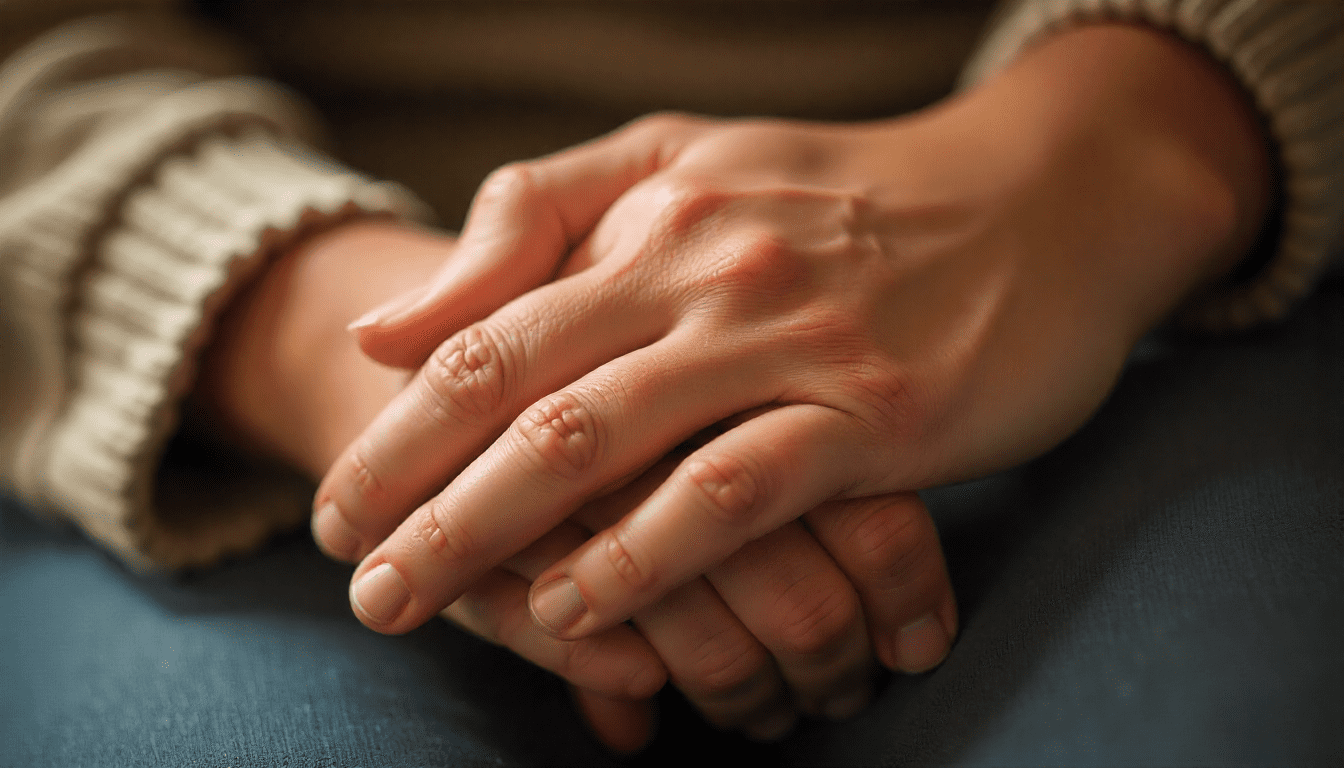
One day, the rush will fade, not because you have slowed down, but because your awareness has deepened. You will realise the big things were built from small ones. You will see that life was never waiting. It was unfolding, quietly, the entire time.
And the moments that seemed insignificant? Those were the moments that shaped you.
FAQs about small moments and presence
Why do small moments feel more meaningful in hindsight?
In the moment, our attention is usually on the next task. It is only later, when the moment has passed, that we notice the warmth, the ease, or the feeling attached to it. Memory edits for emotion, not scale.
How do you stay present in everyday life?
Put the phone down during small rituals like morning coffee or a short walk. Notice one sensory detail: the light, a sound, a texture. Presence is built through tiny pauses, not retreats or grand resets.
Is it wrong to document moments with photos?
No. Photos help memory. The trouble starts when capturing replaces experiencing. A quick picture is fine. Spending the whole evening curating content often means you missed the evening itself.
What makes certain relationships feel softer and slower?
Ease. You do not have to perform, explain, or impress. These people accept your silence, your tiredness, and your unfiltered self, which lowers your nervous system and makes time feel different around them.
How do you start valuing ordinary life over milestones?
Begin by naming one small thing each day that felt good: a conversation, a meal, a song. Over time, this trains you to treat the ordinary as the main story, not the filler between milestones.