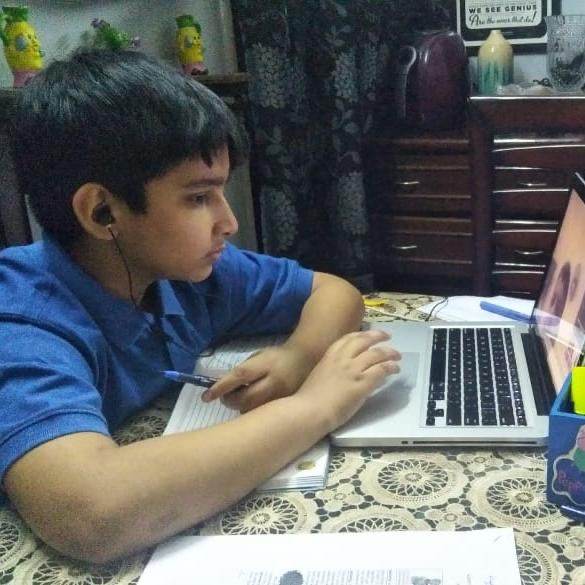

Short answer: Generation Alpha (born 2010 to 2025) is the first cohort raised entirely by screens. A 2023 Common Sense Media study found children aged 0 to 8 spend nearly 2.5 hours per day on screens, up from 15 minutes a decade ago. The effects are mixed: faster digital fluency, but slower language and social development unless parents balance screen time with face-to-face interaction and outdoor play.
In the living room of a friend’s home, I watched a toddler (barely three years old) calmly navigate through YouTube Kids on a tablet, picking her favourite cartoon with the ease of someone who’d done it a hundred times before. She probably had. That moment, while seemingly adorable, revealed something far more profound: Generation Alpha is the first generation truly raised by screens.
Born between 2010 and 2025, Gen Alpha has never known a world without smartphones, tablets, streaming services or AI assistants. Unlike millennials, who learned to adapt to digital advancements, or Gen Z, who grew up alongside them, Gen Alpha was born into a digitally saturated environment. Their relationship with technology isn’t one of novelty or transition. It’s one of integration.
Are Gen Alpha kids digital natives or digital dependents?
Gen Alpha’s childhood is being shaped by devices that respond to voice commands and platforms that curate content with frightening precision. Being a digital native brings advantages, like ease in navigating online environments. It also brings risks. These children are growing up expecting instant responses, entertainment on demand, and interfaces that cater to their every whim.
That dependency can shape patience, attention span and real-world adaptability. It begs the question: are we equipping them for the future, or making them dependent on a screen to function?
How much screen time do young children actually get?
Apps designed for children use behavioural psychology to hold attention. From bright, fast-paced animations to reward loops and autoplay features, these digital experiences are crafted to hook young minds. A 2023 study by Common Sense Media revealed that children aged 0 to 8 now spend an average of nearly 2.5 hours per day on screens. A decade ago, it was 15 minutes.
These platforms aren’t inherently harmful. The issue lies in how they’re designed: to prioritise engagement over well-being. The developing brain, still forming neural pathways related to impulse control and focus, becomes a prime target for over-stimulation.
What does heavy screen exposure do to language development?
There’s no denying tech offers diverse exposure. Children can hear new words, engage with educational songs, and even learn multiple languages through interactive apps. However, screen time often replaces face-to-face interaction, which is critical for developing speech and communication skills.
Anecdotally, a preschool teacher I spoke with recently shared that many of her students (though brilliant at naming dinosaurs or planets) struggled with basic conversational cues like turn-taking or expressing emotions. The absence of live dialogue may be stunting certain aspects of linguistic development.
Screen time vs green time: where’s the balance?
The more time Gen Alpha spends indoors with a screen, the less time they spend outdoors in unstructured play. And that kind of play is essential for physical, emotional and creative development.
Playing in nature builds problem-solving, risk assessment and imaginative thinking. According to the World Health Organization, children aged 5 to 17 should get at least 60 minutes of moderate to vigorous physical activity daily. Many fall short, thanks to sedentary digital habits.
The imbalance between “screen time” and “green time” is slowly redefining childhood. Often not for the better.
Are virtual interactions teaching real social skills?
Socialisation in Gen Alpha often happens through screens: FaceTime with grandparents, multiplayer games with classmates, video messages from peers. Digital platforms can connect, but they don’t replace in-person interactions.
Reading body language, expressing empathy, dealing with confrontation. These are skills best learned through physical presence, not emojis or reaction buttons. A child who spends more time communicating digitally may struggle to read subtle emotional cues, making real-life interactions harder.
Is tech an educational revolution or a disruption?
Technology in education has been both a blessing and a battleground. Adaptive learning platforms like Khan Academy or Duolingo Kids personalise lessons and keep learners engaged. However, there’s growing concern about the depth of learning.
Fast-paced, reward-based apps may encourage superficial understanding. A study by the American Academy of Pediatrics warns that over-reliance on screens can reduce attention spans and discourage perseverance in the face of academic challenges. True learning requires friction. Screens often eliminate that.
Why is screen time such a parental dilemma?
Parents today are caught in a double bind. They rely on screens for convenience, yet worry about their impact. Many juggle work-from-home responsibilities with childcare, turning to tablets or smartphones as digital babysitters.
But this reliance creates inconsistencies. A child may receive mixed messages: “No screen time during meals!” while watching their parents scroll through emails. It’s a confusing paradox, often loaded with guilt. Setting boundaries in a tech-drenched world requires intentionality, not just restriction.
What are the mental health implications of early screen exposure?
Early screen exposure is linked to rising levels of anxiety, irritability, and sleep disturbances among children. The dopamine-driven design of many apps fosters addictive patterns, and excessive screen time has been associated with emotional dysregulation.
It’s not all bleak though. Used wisely, technology can also support mental wellness. Child-friendly mindfulness apps like Moshi or Calm Kids offer breathing exercises, sleep stories and tools for emotional literacy. The key lies in guided, purposeful use, not passive consumption.
Will tech exposure prepare Gen Alpha for the future workforce?
We often assume that tech exposure from an early age prepares Gen Alpha for future careers in a digital world. While that’s partially true, prolonged dependency on tech might limit critical thinking, creativity and problem-solving.
The future workforce will demand more than digital literacy. It’ll demand adaptive intelligence: the ability to learn, unlearn and collaborate. Without the right foundational habits, Gen Alpha may end up digitally fluent but intellectually rigid.
How can parents create healthy digital habits at home?
It’s not about banning screens. It’s about building balance. Parents, educators and even older siblings can play a vital role in helping Gen Alpha form healthy tech habits.
A few simple strategies that work:
- Tech-Free Zones: Establish areas in the home (like the dining table or bedroom) where screens aren’t allowed.
- Co-Engagement: Watch and discuss content together instead of using it as a solo activity.
- Scheduled Screen Time: Use timers and clear limits to avoid endless scrolling.
- Encourage Offline Play: Prioritise physical toys, books, puzzles and outdoor adventures.
By modelling balance, we give them a roadmap. Not just rules.
Screens as tools, not crutches
Generation Alpha will define what it means to grow up in a fully digital world. The choices we make now (how we guide them, the boundaries we set, the behaviours we model) will determine whether screens become tools of empowerment or crutches of dependence.
They don’t just need to learn how to use technology. They need to learn how to pause, unplug, and be human within a digital age.
So the next time we see a toddler swiping confidently on a screen, let’s not only marvel at their intuition. Let’s also ask ourselves: What kind of future are we shaping for them, one tap at a time?
FAQs about Gen Alpha and tech exposure
How much screen time do children aged 0 to 8 get per day in 2023?
According to a 2023 Common Sense Media study, children aged 0 to 8 spend an average of nearly 2.5 hours per day on screens. That’s a sharp jump from just 15 minutes a decade earlier.
What is Generation Alpha and when were they born?
Generation Alpha refers to children born between 2010 and 2025. They are the first generation to grow up entirely surrounded by smartphones, tablets, streaming services and AI assistants from birth.
How much physical activity should children aged 5 to 17 get daily?
The World Health Organization recommends at least 60 minutes of moderate to vigorous physical activity daily for children aged 5 to 17. Many Gen Alpha kids fall short of this because of sedentary digital habits.
Does screen time really hurt language development in young children?
Excessive screen time can replace face-to-face interaction, which is critical for speech and communication skills. Children with heavy screen exposure often know advanced vocabulary (like dinosaur or planet names) but struggle with conversational basics like turn-taking and expressing emotions.
What are the best apps for healthy mental wellness in children?
Child-friendly mindfulness apps like Moshi and Calm Kids offer breathing exercises, sleep stories and tools for emotional literacy. The key is guided, purposeful use rather than passive consumption.