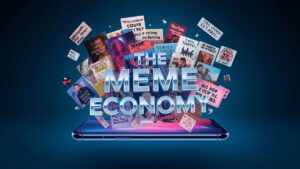

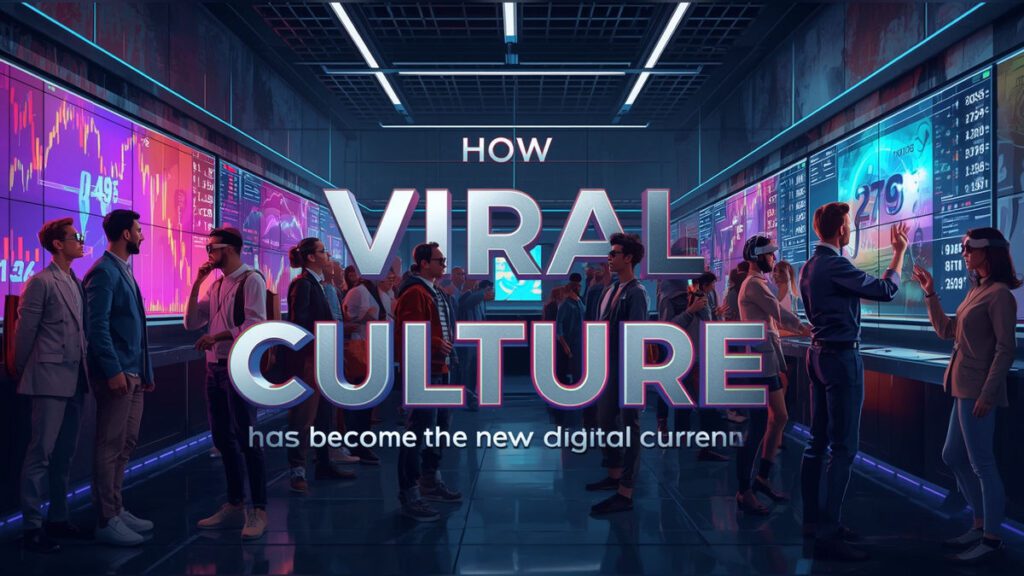
Short answer: The meme economy is the system where viral humour acts as digital currency. Memes move faster than news, shape brand identity, influence stock prices, and power careers for creators who understand internet timing and cultural context.
What is the meme economy?
Humour, speed, and relatability can turn ordinary people into internet legends overnight. The digital world isn’t powered only by data anymore. It’s powered by memes. What began as inside jokes inside niche communities has grown into an economy of trends, emotions, and influence.
In the modern Buzzsphere, memes move faster than news headlines. They shape public opinion, build and destroy reputations, and drive sales. What we laugh at today becomes tomorrow’s marketing strategy.
How did memes become digital assets?
A decade ago, memes were funny pictures. Today they are digital assets with measurable cultural and commercial value. Meme accounts on Instagram and X (formerly Twitter) command millions of followers. Brands like Duolingo, Netflix, and even government agencies have adopted meme-style communication to stay relevant.
The logic is clear. Memes bypass traditional advertising fatigue. People scroll past ads, but they stop for something that makes them laugh. In that pause, the meme becomes a micro-transaction of attention, and attention is the new gold.
How does virality actually work?
Behind every viral post sits a pattern. Timing, relatability, and shareability fuel online explosions. The meme economy thrives on real-time reactions to global events, from celebrity mishaps to political blunders.
Virality isn’t luck anymore. It is strategy. Creators and marketers study engagement data to find what works. Social media agencies now specialise in meme-based campaigns, often charging thousands to design humour that travels fast.
TikTok and Instagram Reels have gamified the process further. The right sound, caption, or reference can launch a meme into orbit within hours. The result is cultural moments that are fleeting but massively powerful.
Why are memes the new protest art?
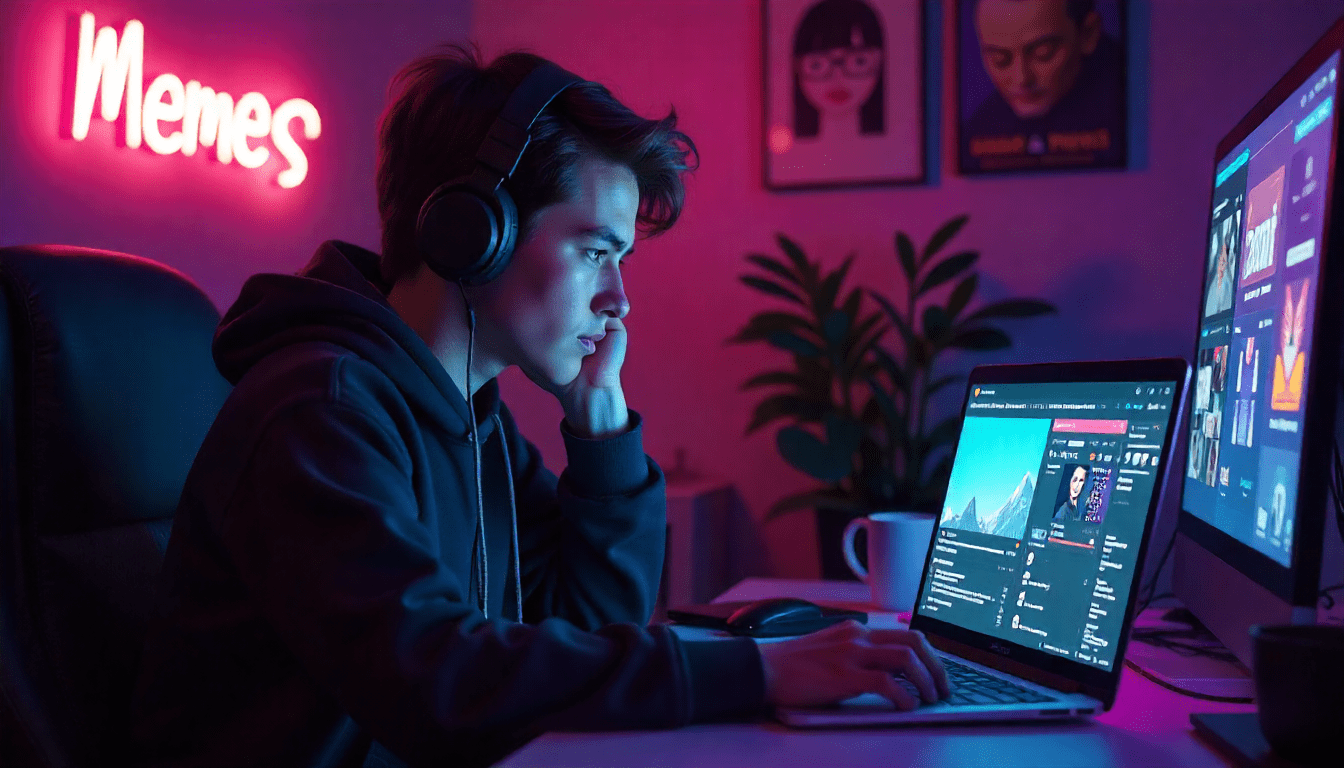
Beyond comedy, memes have become digital protest art. They are how the internet processes chaos, whether it is global politics, celebrity drama, or pop culture absurdities.
During the pandemic, elections, and major sports tournaments, memes became the people’s language. They reflect the public mood, sometimes better than journalism. Through humour and satire, they turn frustration, confusion, or celebration into something everyone can share.
In that sense, memes are modern folklore. They record what society felt, not only what happened.
How do creators make a living from memes?
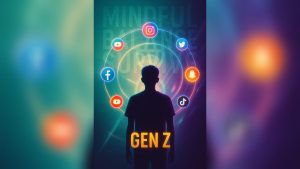
For Gen Z and young creators, meme-making is a profession, not a pastime. Pages like @daquan, @pubity, and @memezar have built empires out of punchlines. Sponsored posts, brand collabs, and ad revenue flow through these digital comedy hubs.
TikTok has amplified this creator class further. A single funny idea, perfectly timed, can turn into a career-launching viral moment. Creators who master meme fluency hold cultural power. They set the tone for what the internet laughs at and talks about.
Why are big brands acting like meme pages?
Brands no longer fear memes. They embrace them. A brand’s meme game can define its personality online. Duolingo’s owl roasting users for skipping lessons and Wendy’s sarcastic replies on X are not accidents. They are calculated authenticity plays designed to humanise corporations.
There is a fine line, though. Try too hard and you become a cringe meme yourself. The Buzzsphere is ruthless. Audiences reward cleverness and authenticity, not forced humour. Brands that succeed understand internet culture rather than imitating it.
Can memes really move markets?
Memes have crashed websites and moved stock prices. The GameStop saga in 2021, fuelled by Reddit’s r/WallStreetBets community, proved how collective online humour can shake real-world economics.
Cryptocurrency markets operate partly on meme energy too. Dogecoin, once a joke coin, hit billions in valuation thanks to internet hype. Memes have moved past entertainment. They are signals of digital sentiment capable of influencing global markets.
What is the dark side of viral fame?
The meme economy isn’t all fun. Viral fame is volatile. The same internet that makes you famous can turn on you in a moment. Memes can distort facts, spread misinformation, and blur ethical lines.
In the Buzzsphere, context collapses. A joke travels faster than its meaning, and virality doesn’t always equal truth. Meme literacy, understanding the humour, source, and impact, is becoming as important as media literacy.
What does AI mean for the future of memes?
As AI tools like ChatGPT, Midjourney, and Sora enter the scene, meme creation is getting faster and more dynamic. Automated meme generators and predictive trend tools are emerging, blurring the line between human creativity and algorithmic humour.
Even with tech in the mix, the soul of meme culture stays human. The best memes are born from relatable emotion, not machines. They work because they make people feel seen, whether it’s about Monday blues, student loans, or celebrity scandals.
Why the meme economy matters
Memes are more than fleeting fun. They are the pulse of online culture, shaping how people communicate, consume, and connect. The Buzzsphere thrives because it turns attention into influence and laughter into legacy.
In a world that moves at the speed of a scroll, memes remind us that sometimes the smartest way to say something serious is to make people laugh first.
FAQs about the meme economy
What is the meme economy?
The meme economy is the cultural and commercial system where viral memes work as digital currency. Attention, shares, and cultural relevance translate into brand deals, ad revenue, and market influence.
How do meme pages make money?
Large meme accounts like @daquan, @pubity, and @memezar earn through sponsored posts, brand collaborations, and platform ad revenue across Instagram, X, and TikTok.
Can a meme really affect stock prices?
Yes. The 2021 GameStop saga, driven by Reddit’s r/WallStreetBets, moved billions in market value. Meme-driven coins like Dogecoin have also reached billion-dollar valuations on internet hype alone.
Why do brands use memes in marketing?
Memes bypass ad fatigue and feel native to social feeds. Accounts like Duolingo and Wendy’s use meme humour to appear authentic and drive engagement that paid ads can’t buy.
What is meme literacy?
Meme literacy is the ability to read a meme’s humour, origin, context, and impact. As misinformation spreads through viral humour, meme literacy is becoming as important as media literacy.