Short answer: Digital illustration in 2025 has moved beyond books and galleries to power branding, social media, gaming and AR. Tools like Procreate, Figma, Midjourney and DALL-E have put independent illustrators on par with global agencies, while motion and handmade textures give the work emotional pull that mass visuals lack.
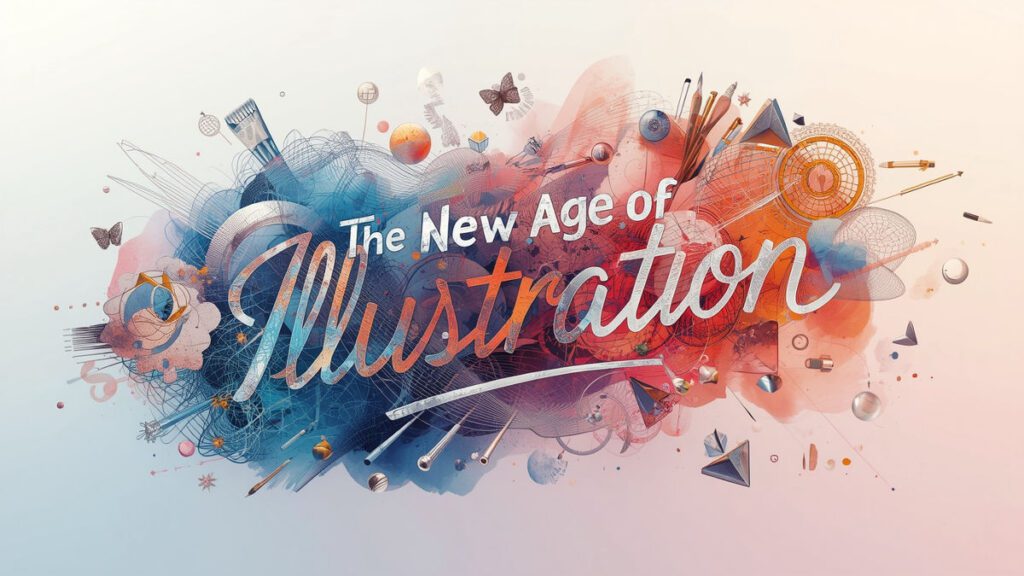
Illustration has never been more powerful or more accessible. Once confined to books, magazines, and galleries, illustration has evolved into a dominant force in digital storytelling. In 2025, it is not just an art form; it is a language.
From editorial visuals and NFT art to branding, gaming, and social media, illustrations now shape how we interpret ideas online. The rise of digital tools like Procreate, Figma, and AI-assisted design platforms has democratized creativity, allowing independent illustrators to compete with global agencies.
This revolution is not only about tools. It is about the return of individuality. In a world filled with mass-produced visuals, illustration reminds us of the human hand, the imperfection, and the story behind every line.
Why does illustration still matter in a hyper-visual era?
We scroll past thousands of images daily. Yet an illustration can still stop us. It carries emotion, symbolism, and intent. Unlike photography, which captures reality, illustration reimagines it.
In an era where digital media often feels mechanical, illustration adds warmth. It builds bridges between imagination and interpretation, transforming information into feeling. Brands like Airbnb, Spotify, and Mailchimp have embraced custom illustration because it connects deeply with users. It says, “This was made by someone, for someone.”
That sense of humanity has become a rare commodity and a competitive advantage.
How are illustrators working with AI instead of against it?
AI-generated art has sparked both excitement and anxiety in the illustration world. Tools like Midjourney and DALL·E can now create complex visuals in seconds, blurring the line between creator and machine.
Rather than replacing artists, AI is redefining the creative process. Illustrators use it as a sketching partner, a way to explore compositions, lighting, or colour palettes quickly. The artist’s role shifts from execution to direction.
It is no longer about drawing alone. It is about curating. The illustrator of 2025 blends human intuition with machine efficiency to produce work that is faster, richer, and still authentically emotional.
Why are handcrafted aesthetics making a comeback?
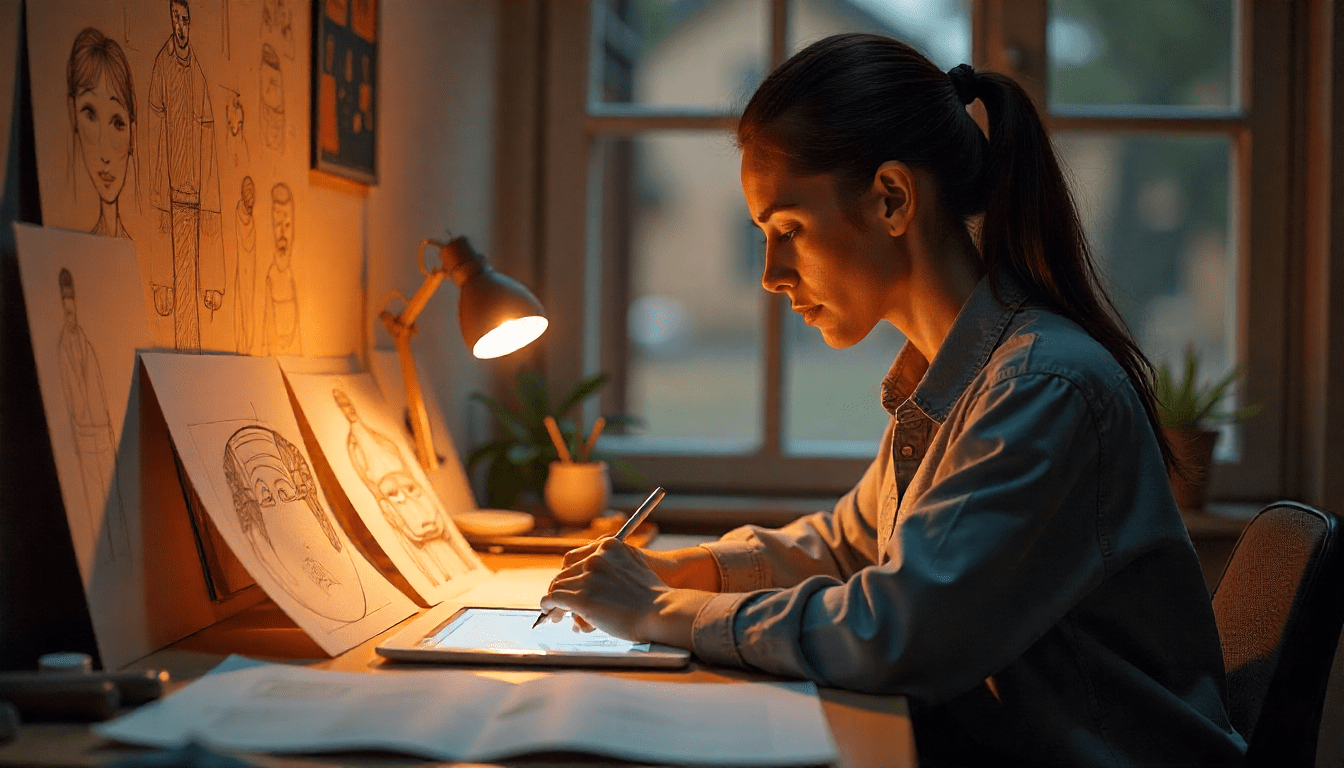
Even as technology evolves, there is a growing nostalgia for the imperfect. Artists are intentionally embracing analog textures like grain, pencil strokes, and ink blots to make digital art feel tactile.
This “handmade digital” movement mirrors what vinyl did for music or film grain did for cinema. It is about emotional authenticity. We crave art that feels real, not polished to algorithmic perfection.
Platforms like Behance and Dribbble show a growing trend of illustrators incorporating traditional mediums such as watercolour washes, gouache layers, and paper scans into their digital compositions. It is not regression. It is rebellion against sameness.
How does illustration shape brand identity?
Brands today compete for emotional connection as much as attention. Custom illustration has become a signature tool. Unlike stock photography, illustrations are unique visual marks, instantly recognisable and adaptable.
Think of Slack’s friendly characters, Google Doodles, or Duolingo’s expressive mascot. These are not just visuals; they are tone and personality personified. A well-crafted illustration builds emotional equity and turns logos into living entities.
Illustration helps brands appear more human, relatable, and diverse. It is a medium where inclusivity can go beyond photography’s limitations. Skin tone, body type, and culture can be represented symbolically and universally.
How has social media changed the illustration economy?
Instagram, Pinterest, and now Threads have become virtual galleries for modern illustrators. These platforms reward originality, consistency, and story.
Artists are no longer waiting for publishers. They are the publishers. Independent illustrators now grow communities, launch courses, sell prints, and work directly with clients through their social channels.
This decentralisation of opportunity is reshaping the illustration economy. Power is shifting from agencies to artists. Your follower base is your portfolio; your art is your resume.
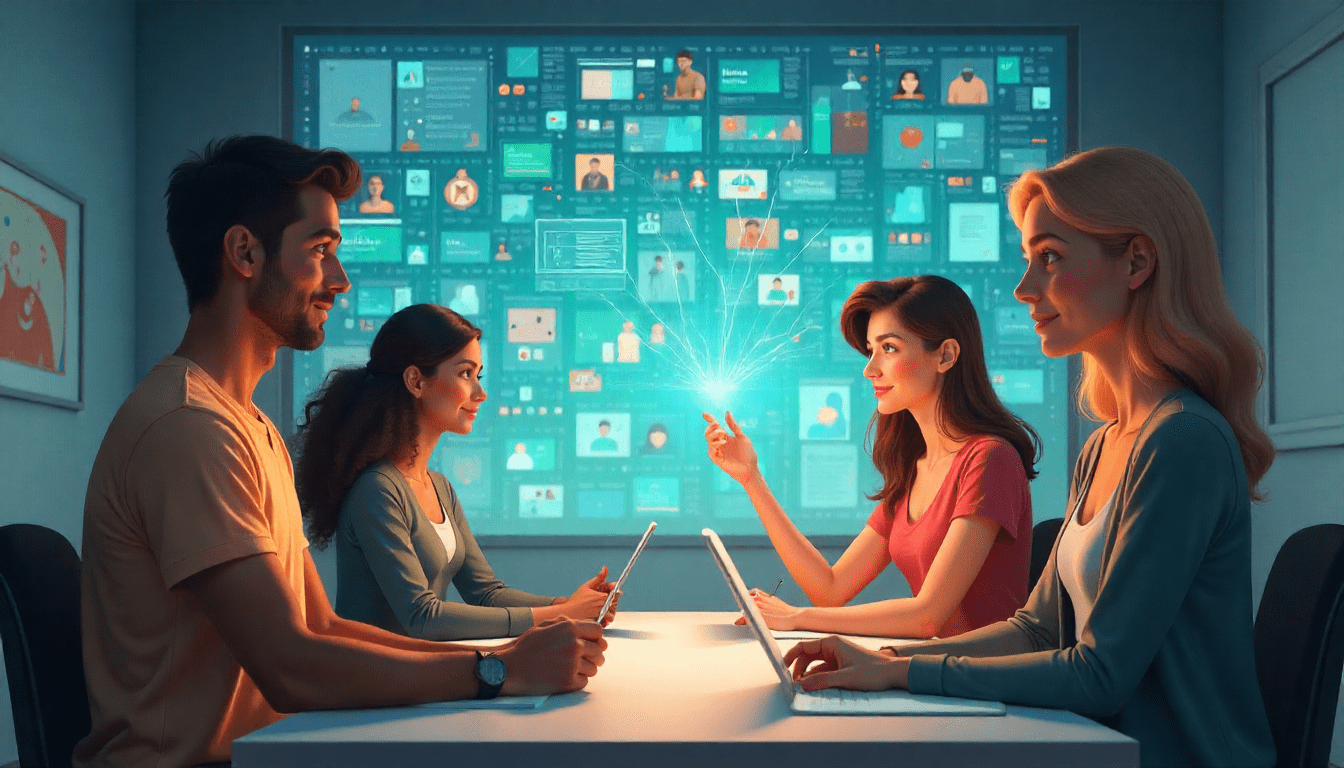
What does diversity in visual storytelling look like now?
Representation has become a defining theme in illustration today. The new generation of artists is consciously breaking stereotypes, reimagining gender roles, cultural identities, and emotional expression.
Illustrations now show real diversity, from body inclusivity and ethnic representation to neurodivergent perspectives and nonbinary characters. It is not performative; it is personal.
Illustrators are telling stories that were not told before, using visual language as activism. The brush and tablet have become instruments of visibility.
How is motion bringing still illustration to life?
Motion design is the next big wave. Animated illustrations are now everywhere, from app onboarding screens to product explainers and AR experiences.
Tools like After Effects, Rive, and Lottie have made motion accessible to illustrators without full animation backgrounds. The result is living art.
A small looping animation can breathe life into brand visuals or digital experiences. It adds rhythm, playfulness, and narrative depth in seconds. The age of static imagery is fading. Illustration has gone kinetic.
What do the economics of illustration look like in 2025?
The freelance illustration landscape has matured. Artists are building multiple income streams from client work and online courses to print-on-demand, NFT collectibles, and Patreon subscriptions.
Competition has also intensified. Thriving today is not about talent alone. It takes community, adaptability, and personal brand. Successful illustrators treat their craft as both art and business, reading trends, audience psychology, and value creation.
In this new ecosystem, the most successful artists are not only drawing. They are designing systems around their creativity.

What is the future of illustration in AR and VR?
As AR and VR continue to evolve, illustration is entering its most exciting chapter yet. Artists will soon draw not on canvases alone but in space, creating immersive, interactive experiences that merge art and environment.
Imagine walking through illustrated worlds, exploring stories in 3D, or interacting with illustrated objects via smart glasses. The illustrator of tomorrow is not confined to a page. They are world builders.
No matter how advanced the tools become, one truth remains: the essence of illustration lies in storytelling. And as long as there are stories to tell, illustrators will remain at the heart of human creativity.
FAQs about digital illustration in 2025
Which software do professional illustrators use in 2025?
Most working illustrators use a mix of Procreate and Figma for core work, with Midjourney or DALL·E for ideation and After Effects, Rive, or Lottie for motion. The stack depends on whether the output is editorial, branding, product, or animated.
Is AI art replacing illustrators?
No. AI tools like Midjourney and DALL·E are being used by illustrators as sketching partners to explore compositions, lighting, and palettes faster. The human role is shifting from execution to creative direction rather than disappearing.
How do illustrators make money online in 2025?
Independent illustrators build income from client commissions, online courses, print-on-demand shops, NFT collectibles, and Patreon subscriptions. Social channels like Instagram, Pinterest, and Threads double up as portfolio and storefront.
What is the handmade digital style?
Handmade digital is a style where illustrators add analog textures like grain, pencil strokes, ink blots, watercolour washes, and paper scans to digital art to make it feel tactile and human rather than algorithm-perfect.
Why are brands like Airbnb, Spotify and Duolingo using custom illustration?
Custom illustration gives brands a unique visual signature that stock photography cannot offer. It feels human, supports inclusive representation across skin tone, body type, and culture, and builds emotional equity that turns logos into characters users recognise.