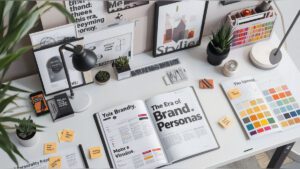

Short answer: Modern brand design goes beyond logos and colour palettes. It builds identities around purpose, emotion, sustainability, and inclusivity — using AI, AR, and cultural relevance to connect with Gen Z and conscious consumers. The youth-driven economy of 2025 cares less about what a brand sells and more about why it exists.
The way we design brands is changing faster than ever. Sleek logos and catchy taglines are no longer enough. Modern consumers want purpose, authenticity, and emotional connection. Brand design today is about building experiences that align with values, not just aesthetics.
Brand design has become a multidimensional practice that blends storytelling, ethics, digital behaviour, and social consciousness. The youth-driven economy of 2025 isn’t asking brands what they sell. It’s asking why they exist.
Why has brand design shifted from identity to meaning?
Traditional brand design revolved around visual identity — colour palettes, typefaces, consistent imagery. The next generation of brand designers knows visuals are only the surface. Design must capture the essence of a brand’s purpose.
Think of brands like Patagonia, which communicates environmental commitment in every design element, or Spotify, which represents personalisation through dynamic gradients and motion graphics. These designs don’t just look good — they mean something.
Modern consumers, especially Gen Z and younger millennials, expect every brand touchpoint — from packaging to digital ads — to reflect shared values like sustainability, diversity, and inclusivity.
What is emotionally intelligent design?
One of the most interesting evolutions in brand design is the move toward emotional intelligence. Brands are learning to speak not only to the eye, but to the heart.
Designers now study psychology, empathy, and behavioural science to craft experiences that resonate. That can mean calming tones for wellness brands, vibrant motion for gaming startups, or tactile textures for sustainable products.
Typography carries emotion too. Rounded fonts feel friendly, sharp sans-serifs convey precision and modernity. Emotional design is what sets memorable brands apart from forgettable ones.
How is sustainability shaping the new brand aesthetic?
Sustainability is no longer only an operational concern. It’s a visual and ethical foundation of brand design. In the post-consumer era, design communicates ecological responsibility as clearly as creativity.
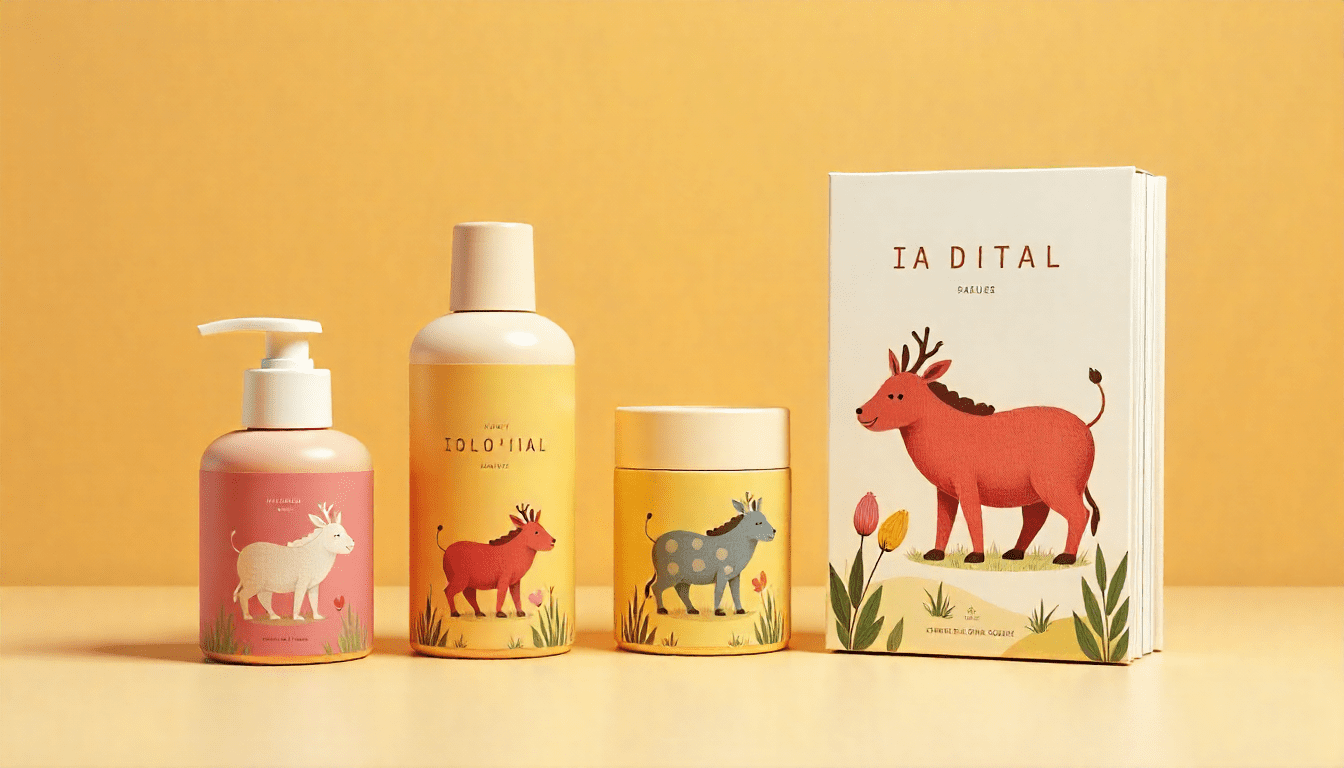
Minimalism, recyclable materials, earthy palettes, and digital-first experiences reflect this shift. Brands like Aēsop and Allbirds have mastered it, using muted tones, clean typography, and biodegradable packaging to build trust and purpose into their visual language.
Green isn’t a colour trend anymore — it’s a cultural signal.
How is technology transforming brand design?
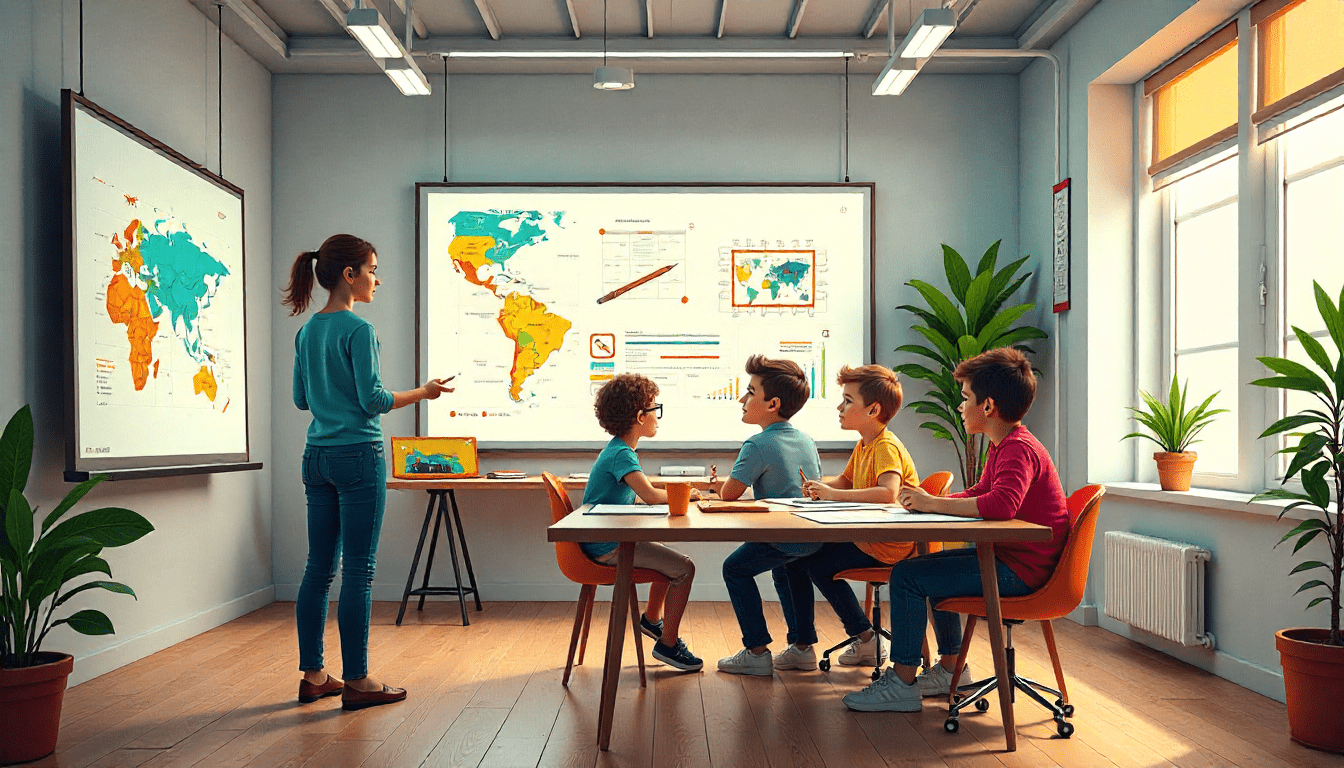
Technology has changed how designers create, test, and launch brands. AI-generated mood boards, AR-based product packaging, and adaptive brand identities that change in real time are becoming mainstream.
Take Coca-Cola’s “Create Real Magic” campaign, which invited people to generate custom AI artworks using the brand’s assets. Or Nike’s AR experiences that let users visualise shoes on their feet before buying.
Tech doesn’t replace creativity; it amplifies it. The best brand designers now use AI, motion graphics, and 3D tools to make design interactive and alive.
Why does cultural relevance matter for brands?
No brand can exist in isolation. The internet has turned audiences into communities that reward authenticity and punish pretension.
To stay relevant, brands must move at the pace of culture. That means understanding memes, social media language, and viral trends without pandering. The trick is merging brand values with pop culture moments in ways that feel natural.
Rihanna’s Fenty Beauty is a masterclass. Its inclusive tone and clever use of cultural references have turned it into more than a cosmetics brand — it’s a statement of identity.
How are art and commerce fusing in modern branding?
Brand design has evolved into an art form where commerce meets creativity. The new generation of designers approach branding like curators, blending visual art, cultural narrative, and market strategy.
Collaborations between artists and brands are reshaping the landscape. From Louis Vuitton x Yayoi Kusama to Nike x Travis Scott, design now works as a conversation between art and audience.
This fusion creates something powerful: brands that people collect, not just consume.
Why is inclusive design a necessity now?
Diversity in design is no longer a trend; it’s a necessity. Brands that fail to represent a wide range of voices are quickly left behind.
Inclusive design considers accessibility, body positivity, gender neutrality, and cultural sensitivity. It ensures everyone feels seen — not just as consumers, but as part of a community.
Microsoft built inclusive design into its entire product strategy, from adaptive controllers to voice interfaces. The result? A brand identity rooted in empowerment and equality.
What does digital-first branding look like?
With attention spans shorter than ever, the challenge is to design brands that stand out in under three seconds. Digital-first brand design focuses on motion, adaptability, and modularity.
Logos must scale across everything from smartwatch screens to stadium billboards. Animations and microinteractions communicate more than static visuals. Typography is evolving too — variable fonts and responsive design make text behave like living organisms that adjust based on context. In a sea of digital noise, adaptability is the new form of consistency.
Why is the designer’s mindset now about strategy, not just aesthetics?
The best brand designers are no longer just artists; they’re strategists. Design decisions are backed by data, insight, and audience understanding.
Design thinking and brand strategy are merging. Every visual element is part of a larger system that supports marketing goals, user experience, and brand voice. Design is not decoration. It’s direction.
Designing for meaning, not just markets
The brands that will thrive in the next decade understand design as an act of leadership. Every shape, sound, and sentence will communicate something bigger than the product — a purpose.
The age of hollow branding is over. What’s emerging is a creative ecosystem where design builds trust, fosters emotion, and drives change.
In this new era, good design doesn’t just sell — it matters.
FAQs about modern brand design
What is modern brand design?
Modern brand design is the practice of building brand identities around purpose, emotion, and values rather than only visuals. It blends storytelling, sustainability, inclusive design, and digital tools like AI and AR to create experiences that Gen Z and conscious consumers trust.
Why is sustainability important in brand design?
Sustainability has moved from an operational concern to a visual and ethical foundation of design. Brands like Aēsop and Allbirds use muted tones, clean typography, and biodegradable packaging to signal responsibility. Green has become a cultural signal, not a colour trend.
How are AI and AR used in branding?
AI generates mood boards, adaptive identities, and personalised assets in real time. AR lets consumers preview products in their own space. Coca-Cola’s “Create Real Magic” campaign and Nike’s AR try-on experiences are two examples of tech amplifying creative brand design.
What is inclusive brand design?
Inclusive brand design considers accessibility, body positivity, gender neutrality, and cultural sensitivity across every touchpoint. Microsoft’s adaptive controllers and voice interfaces show how inclusive design can anchor an entire brand identity in empowerment and equality.
Why do logos need to be adaptable now?
Logos today must scale from smartwatch screens to stadium billboards and work in motion, not just static form. Variable fonts, microinteractions, and modular systems let a brand stay consistent while adapting to each context — the new baseline for digital-first branding.