
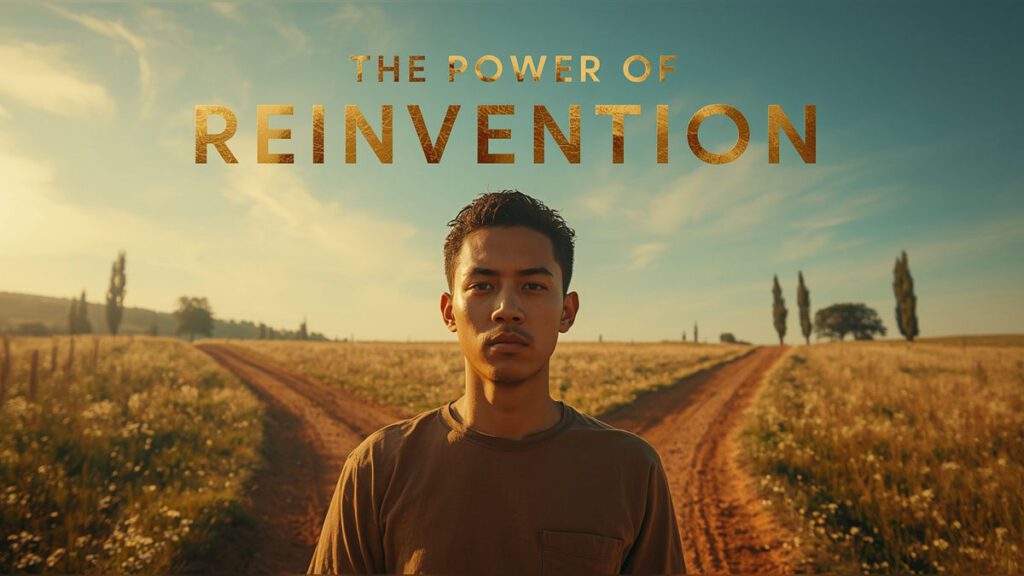
Short answer: Reinvention is the habit of adapting your skills, identity and purpose as the world changes. In a job market reshaped by AI and automation, adaptability now matters more than specialisation, and small shifts like new courses, side projects or career pivots can reshape your trajectory.
Growth is usually sold as a straight line: step one, step two, promotion, success. The reality is messier. Real growth often means starting over, adapting, and learning again when life shifts the script.
In a world that rewards specialisation, the ability to reinvent yourself has become a rare advantage. Switching careers, picking up a new skill, or rethinking your purpose are no longer detours. Evolution has replaced perfection as the benchmark for success.
What does the era of multi-hyphenate ambitions look like?
One job title for life is over. Today’s multi-hyphenate professionals blend multiple careers or passions at once. A designer who also runs a podcast, a teacher who freelances as a writer, a coder who DJs on weekends — this flexibility is creativity in motion, not confusion.
Gen Z is challenging the old idea of staying in one lane. They are not afraid to pivot or to fail publicly. Reinvention is no longer a backup plan. It is the plan.
Why does reinvention matter now more than ever?
The pace of change has sped up. AI, automation and global shifts are reshaping industries overnight. Expertise still counts, but adaptability counts more.
A McKinsey report found that by 2030, over 375 million workers may need to change occupational categories because of automation. That is not a threat. It is an invitation. The people who thrive will stay curious and flexible, growing their skillsets as the ground moves under them.

What is the psychology of starting over?
Reinvention is hard because it challenges identity, not because it is risky. When you have spent years being known for one thing, starting again can feel like erasing progress. Growth tends to hide behind that discomfort.
Psychologists call this “identity elasticity” — the ability to stretch without breaking when your sense of self changes. People who accept uncertainty tend to recover faster from setbacks and spot new openings sooner.
How do small steps lead to big shifts?
Reinvention does not mean burning everything down. It can start small: reading one book outside your comfort zone, signing up for a new course, or spending time with people who make you curious again.
Learning a new language, testing a side project, or rethinking your goals each year can completely change your direction. The smallest shifts often produce the biggest transformations.
What role does failure play in growth?
Failure is not the opposite of growth. It is part of the process. Every reinvention brings mistakes, awkward transitions and moments of doubt. The gap between people who evolve and people who stagnate is resilience, not talent.
When you stop fearing failure, you start experimenting more. Each experiment teaches you something new about yourself and the world.

Why reinvention is resilience
Growth in 2025 is not about staying the same and scaling up. It is about constantly redefining what “success” means to you. Reinvention is not only a personal strategy. It is a survival skill.
In a fast-changing world, the people who do best will not be the ones who mastered a single skill. They will be the ones who mastered the art of starting again.
FAQs about reinvention and personal growth
What does reinvention mean in career terms?
It means actively changing your skills, role or direction instead of clinging to one fixed path. That can look like a career switch, a new side project, or moving from employee to founder.
Is reinvention only for people who fail?
No. Reinvention is increasingly a choice made by people doing well, because industries and technologies keep shifting. McKinsey estimates that by 2030 more than 375 million workers may need to change occupational categories.
How do I start reinventing myself without quitting everything?
Start small. Pick up a new course, try a side project, or rework your goals for the year. The smallest shifts often lead to the biggest changes in direction.
Why is Gen Z more open to reinvention?
Gen Z grew up watching industries change fast, so they treat pivots and public failures as normal. For them, reinvention is the default route to growth, not a last resort.
What is identity elasticity?
Identity elasticity is the ability to stretch your sense of self without breaking when your role, job or life circumstances change. People with high identity elasticity recover faster from setbacks and adapt to new opportunities sooner.