
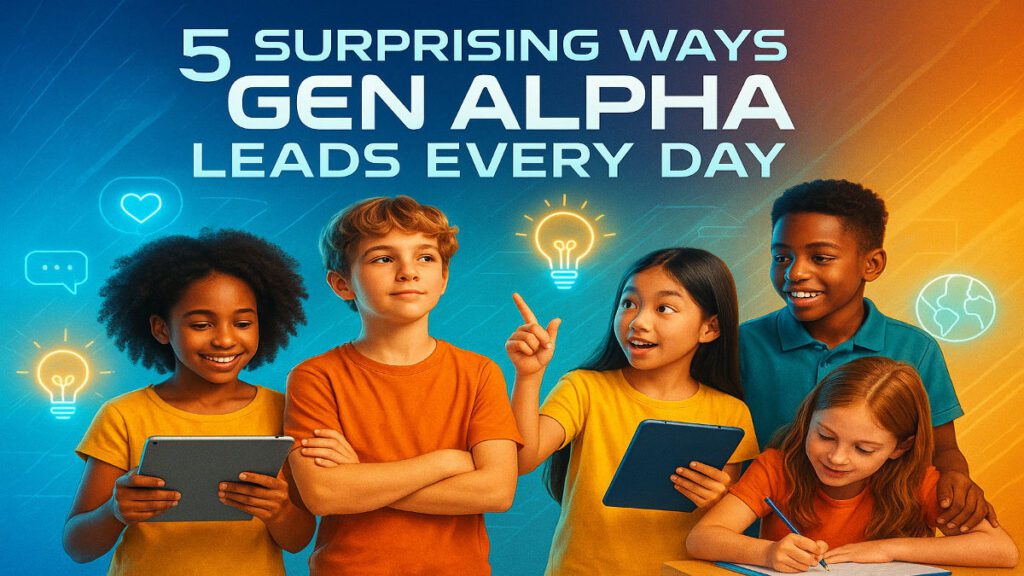
Short answer: Gen Alpha, born from 2010 onwards, shows leadership every day through five everyday habits: fixing tech for adults, creating online content, co-leading school projects, teaching themselves new skills, and acting on values like sustainability and fairness. Their leadership runs on influence and intention rather than titles.
Leadership today looks a little different, especially when it comes from the youngest generation. Born from 2010 onwards, Generation Alpha is growing up in a world that is more connected, conscious, and complex than ever. While they are still in their formative years, many Gen Alpha kids are already flexing leadership muscles at home, in schools, and online without realising it.
In 2025, leadership is no longer about standing at the front of the class or being a team captain. For Gen Alpha, it is about influence, innovation, and intention woven into the fabric of daily life.
1. How are Gen Alpha kids digital trailblazers at home and school?
If you have ever asked a 10-year-old to fix your phone, you are not alone. Gen Alpha kids are born into a world of smartphones, smart homes, and AI chatbots. This tech-savvy generation does more than consume digital content. They navigate, curate, and create it.
Take Riya, a 9-year-old from Bengaluru, who recently helped her school set up a collaborative Google Classroom for a group project. She did not merely follow instructions. She led her classmates through the process, shared screen tutorials, and even introduced a peer to a free video editing app. Small moments like these are everyday leadership in action.
Whether they are helping grandparents use a new app, troubleshooting Wi-Fi issues, or editing their own YouTube videos, Gen Alpha is guiding the digital journey for those around them.
2. Why are Gen Alpha kids leaders of online spaces?
Many children today are not only watching content. They are making it. From Minecraft builds and stop-motion animations to Roblox game codes and Instagram reels, Gen Alpha kids use creativity to connect with a wider audience.
This is where subtle leadership shines. Creating and sharing content online builds communication skills, decision-making, and accountability. Leading a small gaming group or moderating a YouTube comment section may not sound like classic leadership, yet it develops empathy, emotional intelligence, and resilience.
According to a 2024 report by Common Sense Media, over 40% of tweens aged 8 to 12 expressed a desire to create content that inspires or helps others.
3. How does Gen Alpha lead through collaboration and change?
Gen Alpha does not want to work alone, and that is a good thing. Whether they are collaborating on group science projects or co-creating digital art, they are practising leadership by learning to listen, co-lead, and share ideas.
One heartwarming example comes from 11-year-old twins Aarav and Advika in Pune, who organised a “Green Day” at their building complex. They inspired neighbours to plant herbs and cut plastic use, showing leadership rooted in shared goals and community participation.
This generation is growing up aware of climate change, inequality, and mental health challenges. Even at a young age, many are voicing concerns and suggesting solutions at school councils, online forums, or during dinner table debates.
4. How do self-starter Gen Alpha kids teach what they love?
Leadership is not always about directing others. It is also about mastering your own path. Many Gen Alpha kids are learning how to teach themselves through YouTube, online courses, or educational games. This self-driven curiosity often turns into informal leadership roles.
Think of 10-year-old Zayaan from Hyderabad, who became obsessed with astronomy after a stargazing event. He spent hours learning about constellations online and eventually started a WhatsApp group where he shared facts and tips with his classmates.
This willingness to explore, share, and inspire others is an emerging form of peer-to-peer leadership that is both powerful and authentic.
5. Why does Gen Alpha lead by living their values?
One of the defining traits of Gen Alpha is a strong sense of justice and responsibility. Much like Gen Z, they care about fairness, sustainability, and kindness, and they are ready to act on it.
Whether it is suggesting eco-friendly practices at home, joining school clean-up drives, or choosing cruelty-free products, this generation is making values-based decisions. By doing so, they lead by example.
A 2023 UNICEF study found that 68% of pre-teens globally expressed concern about environmental issues, and many said they were willing to change their habits if it meant helping the planet.
Leadership, reimagined
In a world where leadership no longer needs a title or a podium, Gen Alpha shows that influence can come from compassion, collaboration, and curiosity. Their actions, however small, are shaping families, communities, and even the internet.
So the next time a child asks if they can start a recycling project, troubleshoot your tech, or lead a storytime circle, say yes. You might be watching the leaders of tomorrow practising today.
Encourage their voices. Empower their ideas. And most importantly, let them lead, because they are already doing it.
FAQs about Gen Alpha leadership
What is Gen Alpha leadership?
Gen Alpha leadership refers to the everyday ways kids born from 2010 onwards show influence and initiative: helping family with tech, creating online content, driving group projects, teaching themselves new skills, and acting on values like sustainability.
At what age does Gen Alpha start leading?
Examples in 2025 show leadership emerging as early as 9 to 12 years old, from a 9-year-old in Bengaluru guiding her class through Google Classroom to 11-year-old twins in Pune organising a “Green Day” in their apartment complex.
How does online content creation build Gen Alpha leadership skills?
A 2024 Common Sense Media report found that over 40% of tweens aged 8 to 12 want to create content that inspires or helps others. Making and moderating content builds communication, accountability, empathy, and resilience.
Do Gen Alpha kids care about climate change and sustainability?
Yes. A 2023 UNICEF study found that 68% of pre-teens globally expressed concern about environmental issues, and many said they would change their habits to help the planet.
How can parents support Gen Alpha leadership at home?
Say yes to their initiatives: tech troubleshooting, recycling projects, family storytime, or values-based choices. Small moments of trust build confidence and turn curiosity into real leadership habits.