
Short answer: Competitive gaming burnout hits when every match, rank and stat becomes a performance review. Ranked modes, hidden MMR and live-service FOMO turn play into pressure, and the exhaustion doesn’t come from losing — it comes from always being evaluated. The fix isn’t killing competition. It’s reclaiming space to play without a score.
Competition used to live in specific places. On fields. On courts. In tournaments. In moments where winning and losing had boundaries. You competed, you stopped, you moved on.
Now competition lives everywhere. Your rank. Your stats. Your KD ratio. Your win streak. Your hours played. Your leaderboard position. Even when a game is meant to be fun, it’s constantly telling you how you compare — not just to the system, but to everyone else.
Slowly, something shifts. Play turns into performance. Curiosity turns into pressure. Enjoyment turns into measurement. The exhaustion doesn’t come from losing. It comes from always being evaluated.
When did games stop being just games?
Gaming was once a space of escape. A place where progress felt contained and failure didn’t follow you into real life. You could try builds, make mistakes, restart without judgement.
Modern gaming environments rarely let you forget where you stand. Ranked modes are default. Stats are always visible. Matchmaking tracks everything. Progress bars never sleep. Even casual play is framed through metrics.
You’re not playing — you’re optimising. Not exploring — grinding. Not relaxing — improving. And improvement, when constant, stops feeling rewarding. It starts feeling mandatory.
What is the psychology of always climbing?
Ranking systems tap into something deeply human: comparison. It’s not enough to win — you need to know where you stand. It’s not enough to enjoy a match — you need proof you’re getting better.
Climbing becomes the goal. When climbing is the goal, plateau becomes anxiety. You log off not because you’re tired, but because you’re stuck. You queue “one more game” not for fun, but to fix your numbers. You feel pressure to keep playing because stopping feels like falling behind.
Progress becomes fragile. Enjoyment becomes conditional.

When does skill turn into self-worth?
One of the least discussed impacts of competitive gaming culture is identity bleed. Your rank stops being information. It starts being interpretation.
A bad session feels like a bad day. A losing streak feels like regression. A dropped rank feels personal — even when nothing else in life has changed. Because games offer constant feedback, it’s easy to internalise performance as value. You don’t lose a match. You lose confidence.
This doesn’t happen because players are immature. It happens because systems are designed to keep performance central at all times.
Why does the fear of falling behind dominate live-service games?
Live-service games thrive on continuity. Season passes expire. Events are limited-time. Rewards rotate out. Miss a week and you feel it.
People log in not because they want to — but because they should. FOMO replaces excitement. Routine replaces curiosity. Obligation replaces play. Gaming becomes another place where rest feels like a liability.
The irony is hard to miss: the thing that once helped people unwind now asks them to keep up.
How has play shifted from mastery to maintenance?
There’s a difference between learning a game and maintaining relevance inside it. Learning is energising. Maintenance is draining.
Many players aren’t chasing mastery anymore. They’re trying not to slip. To stay viable. To avoid decay. To keep numbers respectable. This turns play into upkeep. Instead of asking, “What do I want to try?” players ask, “What do I need to do today?”
That’s not engagement. That’s pressure.
Why does casual no longer feel casual?
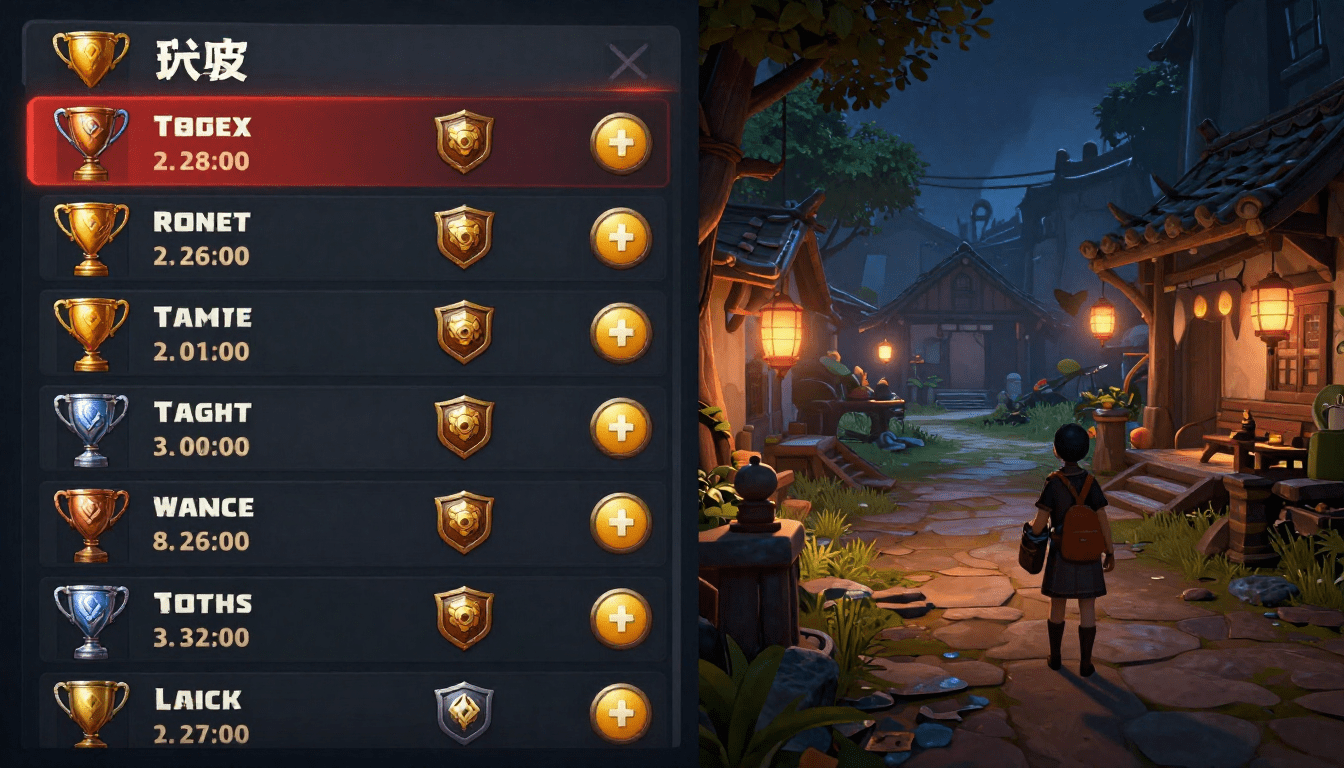
Even “casual” modes aren’t immune. Hidden MMR. Skill-based matchmaking. Performance tracking in the background. You may not see the score, but the system does.
Knowing the system is always evaluating changes how people play. Risk-taking drops. Experimentation declines. People play safe, optimal, predictable. When everything is scored, mistakes feel expensive. Casual becomes competitive — quietly, structurally.
What is the emotional cost of always trying to improve?
Self-improvement is a powerful narrative. In moderation. When every space demands growth, there’s nowhere left to just exist. Games mirror this cultural pressure. Be better. Be faster. Be smarter. Be consistent.
Improvement without rest leads to burnout — whether in work, fitness or play. Burnout in games often shows up as:
- Irritability
- Detachment
- Sudden disinterest
- Nostalgia for “how it used to feel”
Players don’t quit because they stopped caring. They quit because caring became too heavy.
Why do we miss unmeasured play?
Ask players what they miss, and you rarely hear “bad balance” or “old mechanics.” You hear: “When games felt fun.” “When I could mess around.” “When losing didn’t matter.” “When playing wasn’t stressful.”
What they’re saying is: they miss play without consequence. Moments where performance didn’t echo. Where numbers didn’t define sessions. Where fun wasn’t earned — it was assumed.
How do we reclaim play from performance?
The solution isn’t removing competition. Competition can be thrilling, meaningful, motivating. The problem is totalisation — when competition becomes the only lens.
Healthy gaming ecosystems need:
- Spaces without ranking
- Modes that reward experimentation
- Systems that respect time away
- Progress that pauses without punishment
- Clear separation between play and performance
Not every moment needs to be productive. Not every match needs to count. Not every experience needs a score.
What does this reflect about us?
Gaming didn’t invent this pressure. It reflected it. We live in a culture obsessed with metrics — productivity, engagement, growth, optimisation. Games translated that obsession into mechanics.
Play was never meant to mirror work. It was meant to interrupt it. To offer freedom. Failure without cost. Joy without justification. When games forget that, they lose something essential — and so do the people playing them.
Where this leaves us
Competition isn’t the enemy. Relentless evaluation is. The healthiest gaming experiences aren’t the ones that demand the most from you. They’re the ones that give you space to enjoy yourself without being measured constantly.
Sometimes, the most meaningful progress isn’t climbing higher. It’s remembering why you started playing in the first place. Not to win. Not to rank. Not to prove anything. But to play.
FAQs about competitive gaming burnout
What is competitive gaming burnout?
Competitive gaming burnout is the mental and emotional exhaustion players feel when ranked modes, stats and live-service demands turn every session into a performance review, leaving no space for relaxed play.
Why does ranking in games affect mental health?
Rank becomes identity. A dropped rank feels personal, a losing streak feels like regression, and constant feedback makes it easy to internalise game performance as self-worth.
What is hidden MMR and why does it matter?
Hidden MMR is a behind-the-scenes skill rating used by matchmaking systems. Even in casual modes, it silently evaluates players — which makes risk-taking and experimentation feel costly.
How can I avoid burnout while playing competitive games?
Mix ranked play with unranked modes, take real breaks between seasons, skip events when you need rest, and protect play sessions where you experiment without caring about the outcome.
Is competition bad for gaming?
No. Competition can be thrilling and motivating. The problem is totalisation — when competition becomes the only lens. Healthy gaming needs spaces without ranking alongside the competitive ones.