Short answer: Climate change isn’t a distant threat for Gen Z, it’s the backdrop to every life decision. A 2021 Lancet Planetary Health study found 59% of young people globally are very or extremely worried, and 45% say it affects daily functioning. They’re channelling that fear into activism, ethical consumption (73% will pay more for sustainable products) and green entrepreneurship, but they shouldn’t have to do it alone.
Climate change isn’t a distant worry for Gen Z. It’s here, it’s urgent, and it’s deeply personal. Born between the mid-1990s and early 2010s, this generation is growing up watching the consequences land, deadly heatwaves, shrinking glaciers, polluted oceans, the cost of climate change isn’t abstract for them. It’s the news cycle. It’s the asthma diagnosis. It’s the cousin in Kerala whose street flooded twice this year.
And amid rising temperatures, record-breaking wildfires and weather events that keep breaking the records they just set, Gen Z faces a question earlier generations could mostly dodge: What kind of future is left for us?
Why is climate anxiety so high among Gen Z?
For many young people, climate anxiety isn’t a buzzword. It’s a daily weight.
Climate grief and existential dread
A 2021 study published in The Lancet Planetary Health found that 59% of young people globally are very or extremely worried about climate change. Over 45% said climate anxiety affects their daily life and functioning. That isn’t surprising when you trace how environmental concerns thread through Gen Z’s hopes for the future, the kid stuff, the career stuff, the home stuff.
Imagining having children, buying a flat, building a 30-year career, all of it can feel surreal when you’re not sure what the planet will look like in two decades.
“I often lie awake at night thinking about how rising sea levels might wipe out my hometown,” says Arya, a 19-year-old student from Kochi, India. “It feels like my entire future is built on unstable ground.”
Disappointment in leadership
Many Gen Zers are also disillusioned with governments and corporations for slow, inconsistent or performative responses to the climate crisis. Despite climate summits, pledges, and policy promises, global carbon emissions keep climbing, leaving this generation feeling betrayed and powerless. The numbers are clear, the rhetoric isn’t matching the data.
Some disengage. But many more are pushing back, using their voices, their skills and their platforms to force the conversation forward.
What is Gen Z doing about climate change?
Despite the despair, Gen Z is anything but passive. They’re among the most active and inventive climate organisers the world has seen.
1. Activism and advocacy
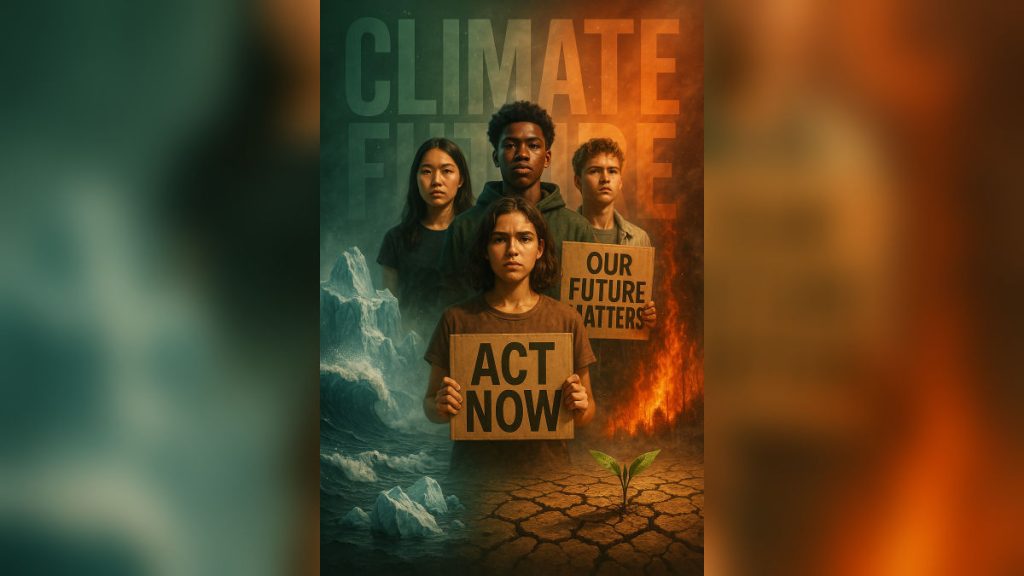
Inspired by global figures like Greta Thunberg and local youth leaders in their own communities, Gen Z is leading the charge in protest movements and policy debate. From climate marches to lobbying for local environmental legislation, their presence is impossible to ignore.
Digital platforms have become tools, not toys. Hashtags like #FridaysForFuture and #ClimateStrike have mobilised millions of young people worldwide. And it isn’t just online noise either. In 2019, an estimated 7.6 million people across 185 countries participated in the global climate strike, many of them students who walked out of class to demand climate justice.
2. Sustainable consumerism
Unlike previous generations driven by brand loyalty or convenience, Gen Z is making more intentional choices about how and where they spend their money. A First Insight report found that 73% of Gen Z consumers are willing to pay more for sustainable products.
They’re picking second-hand clothing over fast fashion, supporting ethical brands, and calling out greenwashing the moment it surfaces. Social media plays a role here too, unethical companies don’t survive long under the eye of eco-conscious digital natives.
“I won’t buy from a brand unless I’ve checked their environmental practices,” says 21-year-old Priyansh, an eco-influencer based in Bengaluru. “One story on Instagram can influence hundreds to switch to greener options.”
How is Gen Z building green careers and startups?
Beyond protests and shopping habits, Gen Z is pouring energy into building sustainable solutions from scratch.
3. Eco-entrepreneurship
From biodegradable packaging startups to clean-tech innovations, young entrepreneurs are making waves. Initiatives like Youth Climate Leaders and Climate Collective are helping Gen Z founders scale green businesses and access funding networks that didn’t exist a decade ago.
Take 23-year-old Ananya Sharma from Delhi, for example. She founded a startup that converts agricultural waste into compostable packaging materials. “The goal is to create a circular economy where waste becomes a resource,” she explains. “We’re not just talking about change, we’re building it.”
4. Green jobs and careers with purpose
The traditional career path is no longer the gold standard. Gen Z increasingly hunts for jobs that line up with their values, roles that contribute to environmental sustainability and social impact, not roles that pay well enough to ignore both.
A LinkedIn survey from 2023 reported that Gen Z is 2.5x more likely than older generations to apply for roles in sustainability-focused industries. That’s not signalling. That’s a labour-market shift.
What about the mental health cost?
Amid all this action, there’s a quieter reality: climate anxiety is taking a real toll on Gen Z’s mental health. The activism is loud. The grief underneath is rarely visible.
A growing need for support
The pressure to “save the planet” can be overwhelming, particularly stacked on top of academic stress, financial uncertainty and the usual chaos of young adulthood.
There’s a real need for counselling services, peer-support groups and safe spaces where young people can talk openly about climate fear. Some universities and organisations have started offering climate-focused therapy and resilience workshops, encouraging, but barely scratching the surface.
Mental health professionals, educators, and parents need to recognise that this isn’t “just a phase.” It’s a chronic stressor and it deserves a response that’s empathetic, informed and proactive.
It’s not just on Gen Z: we all have a role
While Gen Z is on the front lines, the responsibility cannot rest on their shoulders alone. The urgency of this crisis demands cross-generational, cross-sectoral collaboration.
Governments must build stronger policies and actually enforce them. Corporations need to cut emissions, rethink supply chains, and prioritise sustainability over short-term profit margins. And older generations have to listen, support, and partner with Gen Z rather than dismiss their concerns as youthful catastrophising.
Amplify their voices, fund their ideas
We must fund youth-led climate initiatives, back green startups, and ensure young people have a seat at the decision-making table, not the corner table. Climate summits and policy forums shouldn’t be spaces where Gen Z is invited to speak, they should be spaces where Gen Z has the power to decide.
Final Thoughts: From Fear to Fuel
Yes, Gen Z is anxious about climate change. They’re also angry, creative, hopeful, and ready to act. And perhaps that’s the most powerful part of the story, they are turning fear into fuel and despair into determination.
But they cannot do it alone.
FAQs about climate change and Gen Z
How worried is Gen Z about climate change?
A 2021 Lancet Planetary Health study found that 59% of young people globally are very or extremely worried about climate change, and over 45% said climate anxiety affects their daily life and ability to function. The fear is widespread and not limited to climate-vulnerable regions.
Will Gen Z pay more for sustainable products?
Yes. According to a First Insight report, 73% of Gen Z consumers are willing to pay more for sustainable products. They actively avoid fast fashion, scrutinise brand environmental practices, and call out greenwashing on social media.
How does Gen Z’s career choice reflect their climate concern?
A 2023 LinkedIn survey found Gen Z is 2.5x more likely than older generations to apply for roles in sustainability-focused industries. They actively seek green careers, and many are launching eco-startups in clean tech, biodegradable packaging, and circular-economy models.
What is climate anxiety and how does it affect daily life?
Climate anxiety is chronic worry, grief or dread caused by awareness of environmental degradation. For young people it can affect sleep, decision-making around having children or buying property, and overall mental health. It’s increasingly recognised by mental health professionals as a legitimate, persistent stressor.
Who can support Gen Z in tackling climate change?
Governments need to enact and enforce stronger climate policies, corporations have to cut emissions and rethink supply chains, and older generations should listen, fund youth-led initiatives, and give Gen Z genuine decision-making power, not just a platform to speak from.