
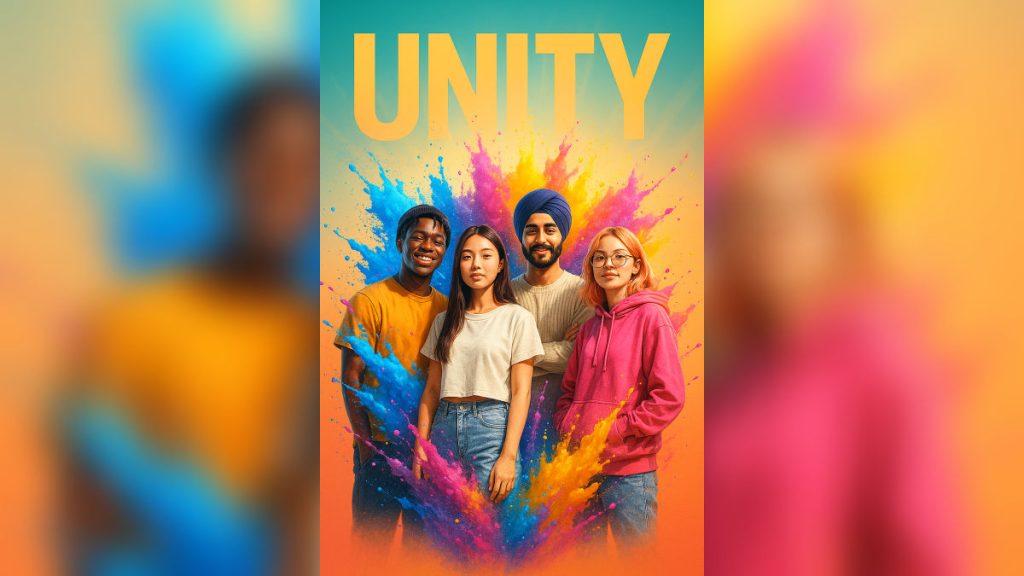
Short answer: Gen Z values diversity and inclusion because they’ve lived it — multicultural classrooms, global social feeds, formative activism — and they reject performative gestures. They expect real action from brands, governments and employers, not rainbow logos in June.
We live in an age stitched together by global connections, rapid social change and shifting cultural ground. Inside that, Generation Z has emerged as a powerful voice championing diversity and inclusion. For them, these aren’t buzzwords — they’re expectations. Born between the mid-1990s and early 2010s, Gen Z is the most ethnically diverse, digitally connected and socially conscious generation yet. And with that comes strong beliefs about the kind of world they want to live and work in.
So why does Gen Z care this deeply? The answer sits at the intersection of lived experience, digital fluency, and an unwavering commitment to justice and authenticity.
How did Gen Z grow up with diversity baked in?
Real-Life Diversity, Not Just Theory
For Gen Z, diversity isn’t a textbook concept or a corporate mission line — it’s personal. Many of them have grown up in multicultural classrooms, attended schools with peers from different racial, cultural and socioeconomic backgrounds, and seen firsthand the richness it brings to ordinary life.
Take my cousin Aarav. His best friends growing up included a Sikh classmate from Amritsar, a Bengali girl from Kolkata and a half-German, half-Kannada gamer he met online. They bonded over anime, cricket, and coding. Difference wasn’t a barrier for them, it was the bond. That kind of friend group isn’t unusual — it’s just Gen Z.
According to Pew Research, Gen Z is the most racially and ethnically diverse generation in U.S. history, and similar patterns are showing up in urban centres across India, the UK and Brazil. Exposure to that melting pot of cultures has built a natural appreciation for inclusion and representation.
The Role of Social Media and Global Connectivity
Gen Z is the first generation to grow up entirely online. Platforms like Instagram, TikTok and YouTube have exposed them to diverse lifestyles, identities and viewpoints daily. From Korean pop culture to Indigenous rights movements in Australia, their worldview is stitched together by global narratives.
And social media lets Gen Z engage directly with people from completely different walks of life. Online communities build empathy and chip away at prejudice — when you follow creators of all races, religions, abilities and gender identities, inclusion stops being a debate. It becomes the default.
Why does justice fuel this generation so hard?
Born Into Activism
Gen Z came of age during some of the most significant social movements of our time. They watched the rise of the Black Lives Matter movement, followed the impact of #MeToo, and felt the ripple effects of LGBTQ+ rights and climate activism. These didn’t show up only on the news — they were on their timelines, TikTok feeds, and in school discussions every week.
According to a McKinsey & Company report, Gen Z views inclusion as a “core value,” not a checkbox. They don’t just support causes, they expect action. Schools that teach inclusive history. Governments that legislate equity. Businesses that do more than crank out a performative statement during Pride Month or on Women’s Day.
Standing Up for the Marginalised
This generation isn’t shy about speaking up for people who’ve been historically silenced. Whether it’s championing transgender rights, fighting colourism or calling out caste-based discrimination, Gen Z is redefining what allyship looks like.
In India for example, Gen Z creators routinely use their platforms to amplify Dalit voices, support queer-friendly mental health spaces, or critique the unfair portrayals still showing up in Bollywood. Representation isn’t a favour to them, it’s a necessity.
How does Gen Z see diversity working in practice?
Innovation Through Inclusion
One of the more pragmatic reasons Gen Z values diversity is that they’ve watched it work. Diverse teams bring different perspectives, challenge biases and push innovation. A 2020 report from Boston Consulting Group found that companies with more diverse management teams generate 19% higher revenue thanks to innovation.
Gen Z gets this intuitively. Whether they’re brainstorming a startup with a multicultural team, or watching diverse representation drive engagement on a feed, they know inclusion isn’t just the right thing — it’s the smart thing.
Choosing Inclusive Workplaces
When job hunting, Gen Z isn’t only scanning salary and brand name. They’re reading the room: company policies, leadership diversity, workplace culture. According to a Monster survey, 83% of Gen Z candidates say a company’s commitment to diversity and inclusion is a deciding factor in where they work.
They want to feel seen, heard, valued. Not parked into a quota slot. Inclusive workplaces that support mental health, respect every identity, and encourage open dialogue are the ones winning Gen Z talent right now.
Why won’t Gen Z accept performative diversity?
No More Lip Service
Gen Z is the most brand-aware generation yet. They can spot virtue signaling from a mile away. A rainbow logo in June or a black square on Instagram means nothing if it isn’t backed by real policies, transparency and accountability.
Take the case of a major fashion brand that caught backlash from Gen Z for promoting body positivity while using only size-zero models. The response was swift, sharp, very loud. Gen Z doesn’t hesitate to hold corporations accountable, through callouts, boycotts, and viral content that doesn’t go away.
A Culture of Belonging
At the heart of Gen Z’s emphasis on diversity sits a deeper longing — for belonging. They don’t just want to be tolerated, they want to be celebrated for who they are.
They want workplaces where mental health isn’t stigmatised, cultural holidays are respected, LGBTQ+ employees can speak freely, and neurodiversity is genuinely supported. In short, they want environments where everyone feels like they matter.
More than a value — a vision for the future
Diversity and inclusion aren’t ideals to Gen Z, they’re expectations shaped by lived experience, informed by digital environments, powered by a sense of justice. Whether it’s choosing brands to support, deciding where to work, or raising their voices on social issues, Gen Z lines up their actions with their values, again and again.
This generation isn’t passively observing the world. They’re actively shaping it. They’re demanding that companies, governments and communities not only reflect the diversity of the world we live in but embrace it fully, authentically and sustainably.
For anyone hoping to engage with Gen Z — don’t just talk about diversity. Live it. Practice it. Be it. Because for Gen Z, inclusion isn’t optional. It’s the future.
FAQs about Gen Z diversity and inclusion
Why does Gen Z care about diversity and inclusion more than older generations?
Gen Z grew up in genuinely multicultural classrooms and on global social platforms, so diversity isn’t theoretical for them, it’s the texture of daily life. According to Pew Research, they’re the most racially and ethnically diverse generation in U.S. history, which makes inclusion a baseline expectation rather than an aspirational goal.
What do Gen Z employees want from an inclusive workplace?
They want real, visible inclusion — diverse leadership, supportive mental health policies, respect for all identities, and space for open dialogue. According to a Monster survey, 83% of Gen Z candidates say a company’s commitment to diversity and inclusion is a deciding factor in where they work.
How does social media shape Gen Z’s views on inclusion?
Platforms like Instagram, TikTok and YouTube expose Gen Z to diverse identities and global movements every day, from Korean pop culture to Indigenous rights campaigns. Following creators of all races, religions, abilities and gender identities builds empathy quickly and makes inclusion feel like the default rather than a discussion.
Does diversity actually improve business performance?
Yes. A 2020 report from Boston Consulting Group found that companies with more diverse management teams generate 19% higher revenue thanks to innovation. Diverse teams pull in different perspectives that challenge bias and unlock better ideas, which is exactly why Gen Z treats inclusion as both an ethical and a strategic call.
Why is Gen Z so quick to call out performative diversity?
Because they can spot virtue signaling instantly and they have the platforms to broadcast it. A rainbow logo or a Women’s Day post means little to Gen Z without real policies, transparent leadership and accountability — and they’ll use callouts, boycotts and viral content to push back when brands fall short.