
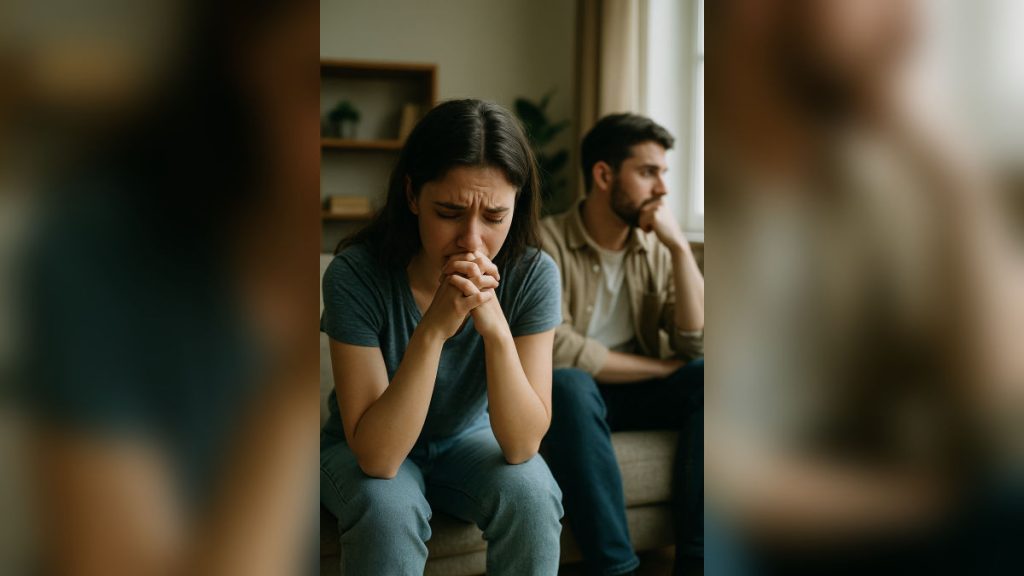
Short answer: Anxiety in your 20s often peaks because of life transitions, comparison culture, and financial stress. A 2023 American Psychological Association study found 71% of young adults flag money as a significant source of stress, more than any other age group. The fix isn’t “toughen up”, it’s mindfulness, movement, a real support network, and professional help when needed.
Your twenties are often painted as a golden era. Adventure, new beginnings, endless potential. Instagram reels showcase dream jobs, aesthetic apartments, picture-perfect relationships. But behind those snapshots, plenty of young adults are silently carrying an invisible weight: anxiety.
For countless people in their twenties, anxiety isn’t just a momentary stress response. It’s a constant undercurrent shaping thoughts, relationships, bodies, decisions. And while society insists this decade should be your “prime,” the lived reality feels messier.
Why does anxiety often peak in your 20s?
Life in your twenties is essentially a high-speed juggling act. You’re expected to figure out who you are, build a career, manage finances, cultivate a social life, and maybe even find “the one”, all while staying sane and smiling through it.
1. The weight of transitions
For most people, the early 20s mark a dramatic shift: moving out, finishing school, entering the workforce. These changes are exciting but often overwhelming. I remember landing my first job and crying on the kitchen floor after work, not because I hated it, but because I felt so unprepared. Transitions, even good ones, can be deeply unsettling.
2. Societal expectations and comparison culture
There’s an unspoken timeline floating around: degree by 22, job by 23, stable income by 25, married by 28. If you’re not hitting these milestones, it’s easy to feel like you’re falling behind. Add social media, and you’re constantly bombarded with highlight reels of other people’s “perfect” lives. No wonder anxiety thrives here.
3. Financial stress
Student debt, skyrocketing rent, an uncertain job market, many 20-somethings are under financial pressure like never before. According to a 2023 study by the American Psychological Association, 71% of young adults reported money as a significant source of stress, more than any other age group.
What are the real symptoms of chronic anxiety?
Anxiety isn’t just “nerves” before a big test. When it goes chronic, it infiltrates every part of daily life.
1. Emotional and cognitive symptoms
People with anxiety often live with persistent, irrational worry that feels impossible to switch off. You might obsess over a single awkward conversation for days, or imagine catastrophic outcomes from tiny mistakes. Decision-making becomes paralysing.
2. Physical effects
Anxiety shows up in the body: tight shoulders, racing heart, headaches, nausea, trouble sleeping. Personally, I didn’t even realise I had anxiety until I started getting daily chest pains. I thought something was wrong with my heart, turns out it was just stress I hadn’t acknowledged.
3. The lie of “you’re fine”
One of the most damaging things is how anxiety gets dismissed. “Everyone feels that way.” “It’s just part of growing up.” That invalidation pushes people to minimise their symptoms, delay help, and blame themselves for struggling.
How does anxiety disrupt everyday life?
1. Work and school challenges
Anxiety can make it hard to focus, meet deadlines, or take criticism. You might procrastinate out of fear of failure, then beat yourself up later. Even speaking up in class can feel insurmountable.
2. Strained relationships
Romantic, familial, or platonic, anxiety causes misunderstandings everywhere. You might withdraw socially, overthink every interaction, or fear rejection so deeply you avoid intimacy altogether.
3. Impact on physical health
Chronic anxiety isn’t just mentally exhausting, it takes a physical toll. It can weaken your immune system, disrupt digestion, and contribute to long-term conditions like hypertension. According to the National Institute of Mental Health, people with anxiety disorders are at higher risk for heart disease and gastrointestinal problems.
Why does early intervention matter?
Anxiety doesn’t usually go away on its own. Left unchecked, it can spiral into more severe issues, including depression or substance abuse. The good news? It’s highly treatable. According to the World Health Organization, effective treatment, whether therapy, medication, or a combination, can significantly improve quality of life for those with anxiety disorders.
How can you cope with anxiety in your 20s?
1. Mindfulness and movement
Deep breathing, journaling, meditation, all keep you present and quiet racing thoughts. And regular physical activity, even a daily walk, reduces anxiety by releasing feel-good chemicals in the brain.
2. Build a support network
Talking to trusted friends, family, or mentors can be a game-changer. You’re not meant to go through tough times alone. Vulnerability builds connection, and sharing struggles often makes them feel less heavy.
3. Seek professional help
Therapy is no longer taboo, it’s an act of self-respect. Whether it’s cognitive behavioural therapy (CBT), exposure therapy, or medication prescribed by a psychiatrist, professional help offers tools to cope and heal. If cost is a concern, many universities, workplaces and NGOs now offer free or low-cost mental health support tailored for young adults.
4. Practice self-compassion
This might be the biggest one. Anxiety often makes you your own harshest critic. Instead, try speaking to yourself the way you’d talk to a struggling friend. Remind yourself: it’s okay to not have it all figured out.
You’re not alone
Living with anxiety in your 20s can feel incredibly isolating, especially when everyone else seems to be “thriving.” But beneath the surface, plenty of your peers wrestle with the same fears and uncertainties. You’re not weak for struggling. You’re human. And while anxiety may be part of your story, it doesn’t have to define your future.
It’s okay to slow down
Your 20s aren’t a race. They’re a chapter, messy, beautiful, confusing, formative. If anxiety is tagging along, know that you’re not broken or behind. So take a breath. Be kind to yourself. Seek help when you need it. Healing doesn’t happen overnight, but every step you take is a quiet revolution.
FAQs about anxiety in your 20s
Why is anxiety so common in your 20s?
Your 20s pile on transitions: moving out, starting careers, building relationships, all under intense comparison culture. A 2023 American Psychological Association study found 71% of young adults reported money as a significant source of stress, more than any other age group.
What are the physical symptoms of anxiety in young adults?
Anxiety shows up as tight shoulders, racing heart, headaches, nausea, and trouble sleeping. The National Institute of Mental Health notes that people with anxiety disorders are at higher risk for heart disease and gastrointestinal problems.
How do you cope with anxiety in your 20s without medication?
Start with mindfulness practices like deep breathing, journaling, or meditation. Add regular physical activity, even a daily walk. Build a support network of trusted friends or family, and consider cognitive behavioural therapy (CBT). Many universities and workplaces offer free or low-cost options.
When should you see a therapist for anxiety?
If anxiety is interfering with work, school, relationships, or your physical health, see a professional. The World Health Organization confirms effective treatment significantly improves quality of life. Early intervention stops anxiety from spiralling into depression or substance abuse.
Is it normal to feel anxious every day in your 20s?
Daily anxiety isn’t “normal” in the sense of healthy, even if it’s common. Persistent worry that disrupts sleep, focus, or relationships is a sign to seek help.