Short answer: The era of real is a cultural shift where Gen Z women value feeling, authenticity and connection over filtered perfection. It is driven by digital fatigue, economic uncertainty and rising mental health awareness, and it shows up in photo dumps, behind-the-scenes content and brand transparency.
A soft, honest essay for Gen-Z women.
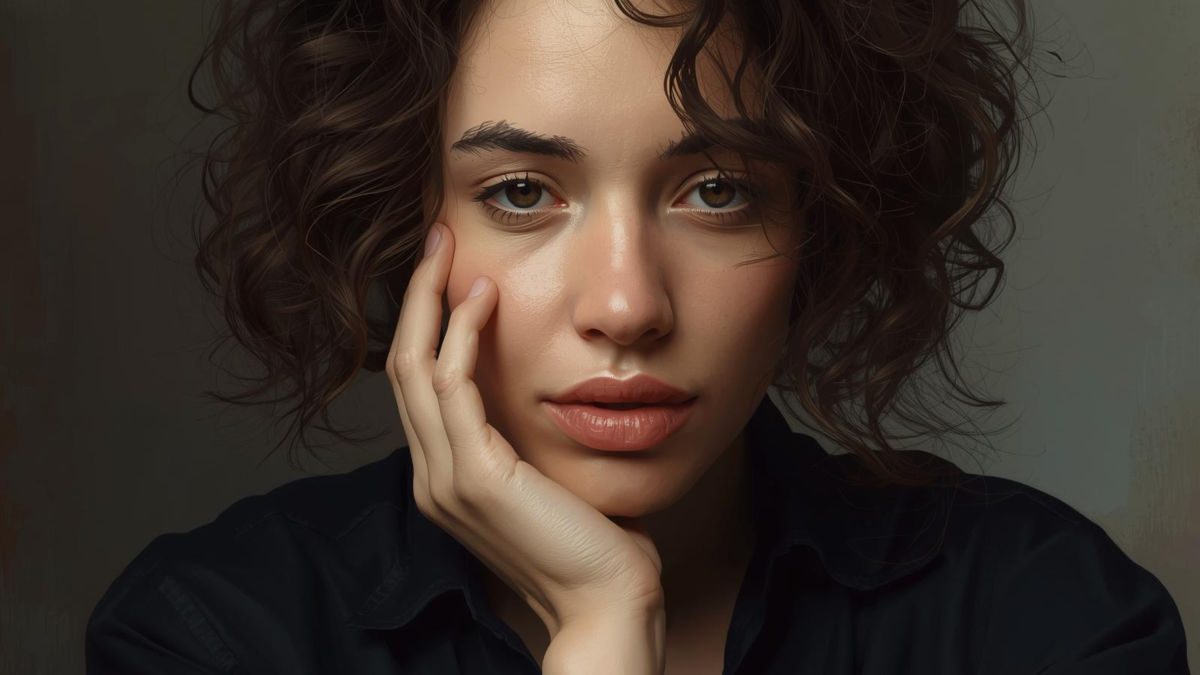
We are living in a time where the glow of “perfection” is fading, and a quieter, truer light is rising in its place: realness. Gen-Z women don’t want flawless pictures anymore. They crave feeling, authenticity, and connection. The “Era of Real” is not a passing aesthetic. It is a cultural response born from digital fatigue, economic uncertainty, and growing awareness of mental health.
Why has authenticity become the new aspiration?
Studies and industry reports from the last few years show a clear pattern: Gen-Z values honesty over polish. They gravitate toward creators and brands that show the messy, unfiltered side of life. That is why photo dumps, raw video snippets, and vulnerable captions resonate. They reflect real emotional texture, not curated perfection.
In an age of heavy filters and algorithmic pressure, realness feels revolutionary.
Is sharing your truth online good for you?
There is a misconception that sharing personal feelings online is self-destructive. Research paints a more nuanced picture. When done intentionally and within safe communities, self-disclosure — talking about your experiences or vulnerabilities — can improve emotional well-being.
Some studies show that expressing feelings, even digitally, can reduce stress and increase positive affect, especially when responses are empathetic and supportive. This does not mean everything must be public. Thoughtful sharing can make you feel less alone.
Can “real” itself become a performance?
Even authenticity now comes with its own aesthetic. Many young women feel pressure to appear effortlessly raw, as if imperfection itself must look beautiful. The tension between genuine vulnerability and curated “realness” is real. Brands have learned to package honesty, using transparency as a marketing tool.
So discernment matters: Who is sharing? Why? And for what response? Being real is powerful. Being intentional about it is wiser.
How does this real era show up in daily life?
- Photo dumps: imperfect collections of blurry nights, half smiles, and coffee stains.
- Behind-the-scenes videos: not polished, but filled with emotion, laughter, or failure — the human parts we all recognise.
- Brand transparency: showing where products come from or featuring real users’ stories, because Gen-Z buys honesty, not just aesthetics.
How can you make authenticity beautiful?
- Practise selective vulnerability. You don’t have to share everything. Choose moments that feel safe and purposeful.
- Set digital boundaries. Decide what parts of your life stay private. Writing them down helps reduce regret.
- Give context. When sharing something emotional, add a little backstory. It reduces misinterpretation.
- Check your space. Is your community supportive? Do you feel seen, not judged? Choose your audience wisely.
Why this is not just a social media phase
“The Era of Real” is not about filters or feeds. It is about a deeper cultural shift. Gen-Z women are redefining beauty, success, and connection through awareness. They are asking better questions:
- Does this post help my growth?
- Does it strengthen my relationships?
- Is it kind to my mental health?
These questions are quietly reshaping what authenticity means, from aesthetic choice to emotional clarity.
Closing thought
To be “real” today is not to overshare, but to be awake — to your feelings, your limits, and your truth. No filters, no performance, just presence. Maybe that is what beauty is becoming now: not flawless, but felt.
FAQs on the Era of Real
What does the era of real mean for Gen Z women?
It is a cultural shift where Gen Z women prioritise feeling, authenticity and connection over filtered perfection. It reflects a rejection of heavily curated online identities in favour of honest emotional expression.
Is it healthy to share vulnerable feelings online?
Research suggests that intentional self-disclosure within supportive communities can reduce stress and improve emotional well-being. The key is choosing safe spaces and sharing with purpose, not publishing everything for strangers.
How do I know when sharing crosses into oversharing?
Ask yourself why you are posting and what response you need. If a moment feels raw and unprocessed, journal it first. Share once you can add context and have chosen an audience that will respond with empathy.
Why do photo dumps feel more real than curated posts?
Photo dumps mix blurry nights, half smiles and small details without forcing a single narrative. That imperfection mirrors how life actually feels, which is why Gen Z gravitates to them over polished single-image posts.
Can brands be authentic or is it just marketing?
Brands can show genuine transparency through user stories, sourcing details and honest communication. But Gen Z also notices when “realness” is packaged as a tactic, so discernment and consistent action matter more than one campaign.