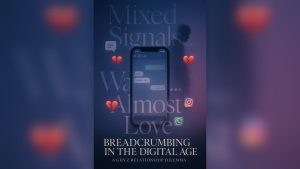
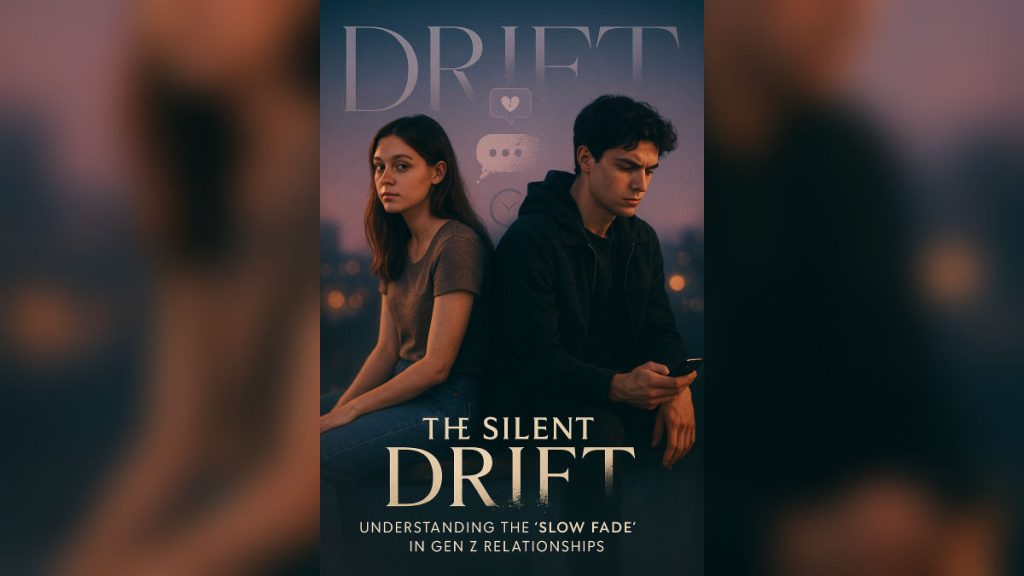
Short answer: The slow fade is a passive Gen Z breakup tactic where one partner gradually withdraws texts, calls, and attention instead of ending things directly. It avoids confrontation but leaves the other person stuck in emotional limbo, often hurting more than a clean breakup or even ghosting.
Gen Z dating has a new emotional dilemma, and it has entered the chat quietly. Unlike ghosting’s abrupt silence, the slow fade is sneakier. It’s a gradual retreat, a soft withdrawal of attention that leaves one partner confused, anxious, and often heartbroken (sometimes for weeks).
What is the “slow fade” in Gen Z relationships?
At its core, the slow fade is a passive breakup tactic. One person starts pulling away. Texts get shorter, calls less frequent, plans increasingly vague. The intention isn’t necessarily to ghost, but to nudge the other person toward ending things without anyone having to say, “This is over.” It’s a breakup without the confrontation.

Think of a song that fades out instead of ending on a definitive stop. You’re left listening, waiting, unsure whether it’s truly over. For Gen Z, who navigate so much of romance through screens, this method has become uncomfortably common.
Why does the slow fade resonate with Gen Z?
Avoiding confrontation
Gen Z, for all its digital confidence, often struggles with direct conflict in romantic relationships. Confrontation feels emotionally taxing, risky, especially when one fears being cast as the villain. The slow fade is the path of least resistance, it dodges teary goodbyes and awkward explanations. But while the fader gets off easy, the person left behind usually pays the bigger price.
Digital relationships breed digital disappearances
Most Gen Z romances bloom online. DMs, Snap streaks, Instagram reactions, late-night FaceTimes. As Susan Winter, a relationship expert, notes, it’s far easier to slowly reduce interaction in a virtual space than in real life. You can delay replies, leave messages on “seen,” or casually cancel plans with little accountability.
And that digital detachment makes disengaging without closure feel almost frictionless, especially in early dating when emotional investment hasn’t really hardened into commitment.
The desire to dodge guilt
A big driver behind the slow fade is the fear of being the bad guy. People don’t want to bear the emotional weight of saying, “I don’t want this anymore.” Instead, they hope their partner will tire of the diminishing affection and end things themselves. This emotional outsourcing might feel gentler to the one fading, but to the one being faded, it’s limbo.

What is the emotional toll of being slow faded?
Ambiguity breeds anxiety
When you’re being slow faded, everything feels uncertain. You start second-guessing your texts, your tone, even your value. “Did I say something wrong? Are they just busy? Should I wait it out?” This emotional ambiguity can be more painful than a clean break, you’re left clutching at hope.
I remember a friend who went through a slow fade after a three-month situationship. The good morning texts vanished, replies came hours late, weekend plans were always “maybe next time.” The worst part? He never officially ended things. She had to piece together the silence and write her own closure. It took her weeks to move on, not because she missed him, but because she never got answers.
No closure, no healing
Closure is what gives people the emotional clarity to grieve, process, and heal. The slow fade robs them of that. Without an honest conversation, the person left behind feels discarded and confused. According to Medium, the lack of closure can delay healing, fuel overthinking, and leave scars that linger far longer than the relationship itself.
Erosion of self-worth
Being on the receiving end of a slow fade can seriously damage self-esteem. You internalise the silence. You start believing you’re not enough, that something about you pushed them away. That can shape future dating behaviour, making you more cautious, mistrustful, sometimes emotionally closed off.

How do you spot the signs of a slow fade?
Catching the early signs lets you take back some control over your emotions and decide how to respond. Some red flags:
- Delayed or dry responses with no enthusiasm.
- Cancelled or postponed plans wrapped in vague excuses.
- Lack of curiosity about your life or well-being.
- Minimal effort in keeping the connection alive.
- A general sense that you’re initiating all communication.
How do you deal with a slow fade?
Acknowledge what’s happening
First, be honest with yourself. If you notice repeated signs of withdrawal, don’t brush it off as “they’re just busy.” Hope is fine. Don’t ignore your gut.
Initiate direct communication
If the relationship mattered to you, reach out for clarity. A simple, “I’ve noticed a shift lately, are you still interested in continuing this?” can force honesty. Even if their reply is vague or non-committal, it gives you a clearer view of where you stand.
As one YouTuber on dating advice put it: “If someone isn’t showing up for you consistently, that is your answer.”
Protect your peace
If the other person isn’t reciprocating, don’t cling to potential. Let go. Unfollow, mute, or block them if you need to, not to be petty but to reclaim your emotional space. Lean on friends who validate your worth and remind you the situation says more about them than about you.
Reflect, but don’t ruminate
It’s natural to analyse what went wrong. But don’t spiral. Journal, talk to someone you trust, and focus on your healing, not their behaviour. The goal is to process, not punish yourself.

Moving forward: embracing honesty in modern love
In today’s dating culture, the slow fade looks like the gentler option. It usually isn’t, it’s often more emotionally damaging than a straightforward breakup. Gen Z, with its emphasis on emotional intelligence and mental health, deserves better. Healthy relationships, no matter how short, need honesty, respect and closure.

Let’s normalise clear communication. And let’s make kindness cool again, not just in our bios, but in our breakups. Because how we end things says just as much about us as how we begin.
FAQs about the slow fade in Gen Z relationships
What is the difference between ghosting and the slow fade?
Ghosting is sudden silence, one day they’re there, the next they’re gone. The slow fade is gradual: shorter texts, slower replies, vaguer plans, until the relationship dies of attrition. Ghosting ends fast and hurts loud; the slow fade drags out and quietly chips away at your sense of certainty.
Why does the slow fade hurt more than a normal breakup?
A clean breakup gives you closure to grieve and move on. The slow fade gives you neither. You’re stuck second-guessing your texts and your worth, with no honest conversation to anchor you. According to Medium, that lack of closure delays healing and increases overthinking long after the relationship ends.
How do you tell if someone is slow fading you?
Look for a pattern, not a one-off bad day. Replies get delayed and dry, plans get cancelled with vague excuses, they stop asking about your life, and you’re the one carrying the conversation. If you sense the connection is being managed downward instead of nurtured, you’re probably being slow faded.
Should you confront someone who is slow fading you?
Yes, if the relationship mattered. A direct line like “I’ve noticed a shift lately, are you still interested in continuing this?” forces honesty. Even a non-committal answer is data, it tells you where you stand so you can stop guessing and start protecting your peace.
Why do Gen Z prefer the slow fade over breaking up directly?
For many in Gen Z, romance plays out through screens, which makes it easy to disengage without accountability. Add a strong fear of being the “bad guy” and the desire to avoid teary confrontations, and the slow fade becomes the path of least resistance, even when it’s the path that hurts the other person most.