


Short answer: Food is time travel disguised as a sensory experience. A single flavour can carry you back to a childhood morning, a grandmother’s kitchen, a friendship or a grief. The taste of memory is how food becomes the story we never outgrow.
There is a moment, quiet and almost unremarkable, when a flavour becomes a memory. It happens not when we take the first bite, but somewhere between the second and the last, when taste stops being just taste and becomes meaning.
Food has always been more than fuel. For many of us, it is story, ritual, connection, history. It is the late-night street snacks with friends when laughter tasted louder than the spices. It is the home-cooked meals that healed heartbreaks better than advice ever could. It is the dish that reminds you of someone you do not speak to anymore, yet still miss in ways language cannot hold.
Food is time travel disguised as a sensory experience. A single flavour can take you forward or drag you backward, sometimes gently, sometimes violently. Either way, it brings you back to yourself.
Why did childhood meals feel like ceremony?
In childhood, meals were not about nutrition. They were rhythms. Breakfast was not just eggs or cereal, it was the smell that woke the house. Lunch was not just food, it was an interruption, a pause between chaos and curiosity. Dinner was not obligation, it was the moment the family returned to the same table after scattering into separate lives.
Even the simplest food held ceremony. Cut fruit meant care. Hot broth meant comfort. Leftovers meant love disguised as practicality. We did not realise it then, but food was our first teacher of presence. You could not rush taste. You could not multitask hunger. You could not scroll through a meal, not yet.
Back then, eating was a moment fully lived. Maybe that is why the memory of flavour feels so sacred now: it belonged to a version of us that was not pressed for time.
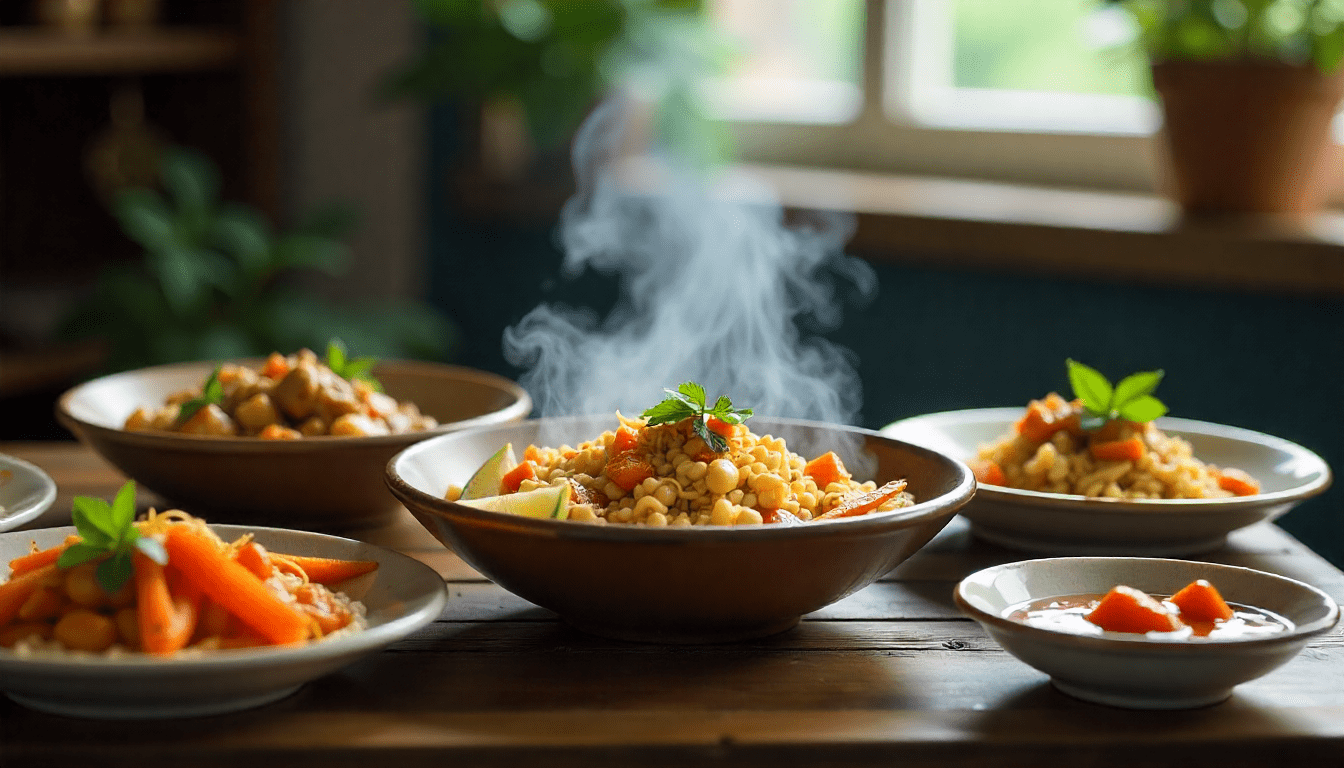
How did eating alone become a ritual?
Somewhere along the journey into adulthood, meals shifted. For many, eating became rushed, functional, disconnected. Then something began happening, especially among our generation: we started reclaiming the act of eating alone. Not as loneliness. As ritual.
A quiet coffee before the world wakes up. A slow dinner after surviving a heavy day. A snack eaten on the balcony while watching the sky change colour. Eating alone teaches us something society rarely encourages: that our own company can be enough. There is a kind of peace in savouring something without conversation, without performance. Taste, texture, and you.
Maybe that is its own kind of healing: learning to feed ourselves gently.
How do cultural flavours shape identity?
If you ask someone where they are from, you will get a geography. If you ask them what flavour shaped their childhood, you will get a truth.
For some, it is the heat of chili. For others, the softness of milk and honey. For some, the tang of fermented food. For others, the warmth of bread fresh from the oven. These tastes are more than preference. They are inheritance. They tell us where home was, even if we no longer live there. They remind us who fed us before we knew how to feed ourselves. They carry stories older than our language.
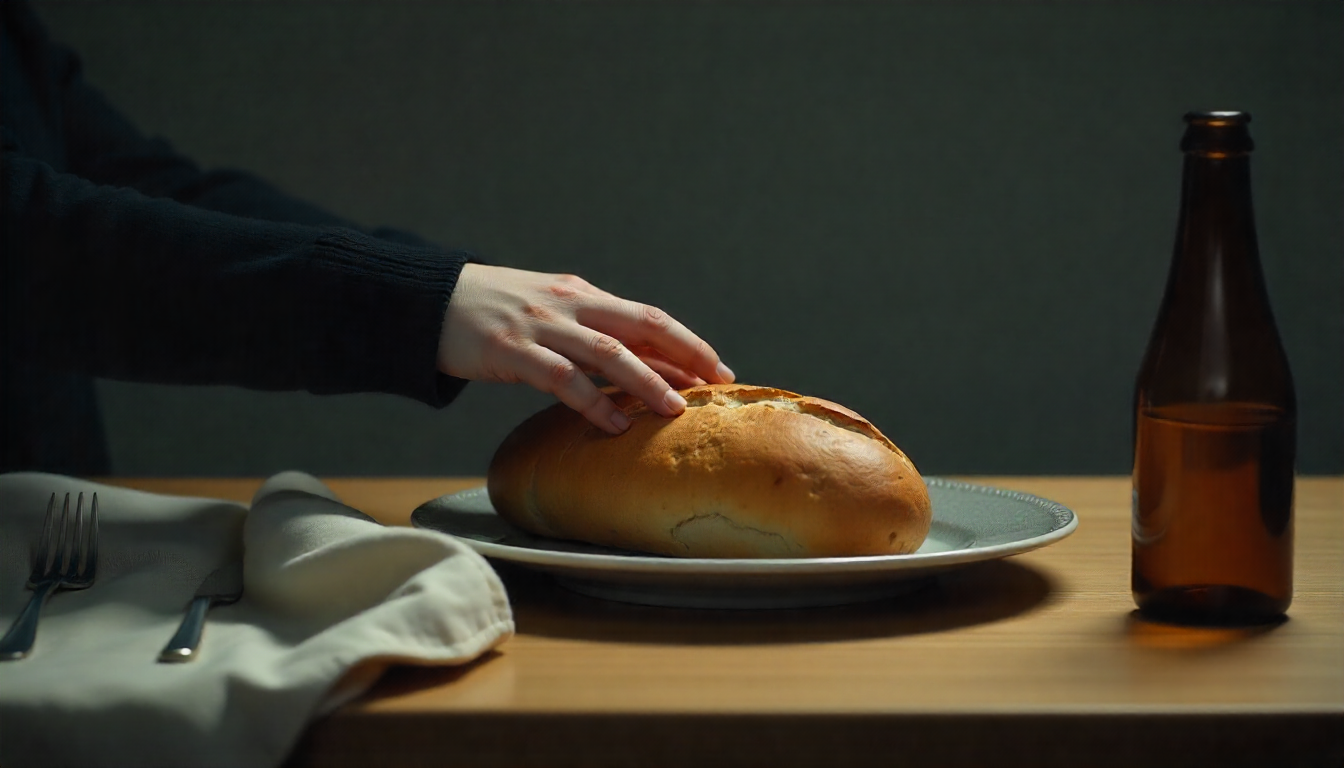
Why is the dining table a place of belonging?
There is a reason the most important conversations rarely happen on couches or in hallways. They happen at tables. Confessions soften over shared plates. Arguments dissolve between refills. Grief becomes bearable when someone places food in front of you and says, “Eat, you don’t have to speak yet.”
Friendships deepen when someone orders something new and says, “Just try it.” Love reveals itself when they remember your favourite dish without asking. At the table, we return to something ancient, a truth older than culture: sharing food means sharing life.
What is the future of taste in a rushed world?
As the world becomes faster, more digital, more optimised, food remains one of the last things that refuses to be rushed. You cannot download flavour. You cannot fast-track taste. You cannot automate memory.
Maybe that is why cooking videos, food documentaries, and nostalgic recipes are becoming more than trends. They are grounding points. Proof that even as the world accelerates, something inside us still craves the slow human experience of creation, sharing, savouring. We are not only looking for the next meal. We are looking for meaning.

What is the bite you never forget?
Every person has one, a bite from their past that returns uninvited. A slice of birthday cake. A festival sweet. A street food skewer eaten under neon signs. A simple dish made by someone who loved you in a way you did not understand until it was too late.
That bite stays in you, not because of the taste, but because of the moment it held. Food becomes memory. Memory becomes home. And maybe the most profound stories of our lives are not spoken. They are eaten.
FAQs about the taste of memory
Why does food trigger memories so strongly?
Flavour combines smell, taste and context, which are processed close to the brain’s memory and emotion centres. A single bite can unlock a childhood morning, a kitchen, a person, in a way a photograph cannot.
Is eating alone healthy or lonely?
Eating alone becomes loneliness only when it is avoidance. Chosen solitude over a meal is a ritual. It is where you practise feeding yourself gently, without performance, without conversation, just taste, texture and you.
Why do we crave childhood foods as adults?
Childhood foods are tied to feelings of safety, care and belonging. When adult life feels rushed or uncertain, the body asks for the flavours of a time when someone else was in charge of comfort.
Why are dining tables important for relationships?
Tables slow people down. Confessions soften over shared plates, arguments dissolve between refills, friendships deepen when someone says “just try it.” Sharing food is how relationships become real rather than performed.
What does it mean that food is memory?
Food is memory when a taste carries more weight than its flavour, when a dish returns someone you have lost, a place you have left, or a version of yourself you have outgrown. The meal ends, the memory does not.