
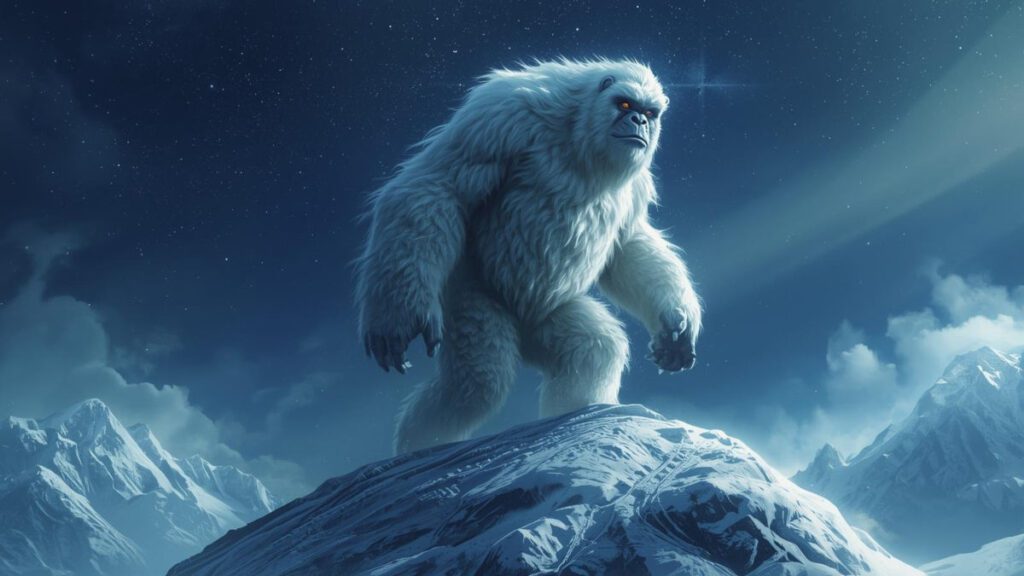
Short answer: Genetic analyses of hair, bone and tissue samples attributed to the Yeti consistently match known Himalayan and Tibetan bears, with brown bears and Asian black bears being the most common source. No peer-reviewed study has produced reproducible evidence of an unknown bipedal primate behind the Yeti legend.
The legend of the Yeti, an elusive bipedal “snowman” said to roam the high Himalaya, has persisted for generations. Recent molecular and genetic research has moved the conversation from folklore toward testable biological explanations. Below is a concise summary of the evidence, methods and conclusions reached by scientists who examined physical samples attributed to the Yeti legend.
What do genetic studies of Yeti samples show?
Genetic analyses of hair, bone and other specimens attributed to Yetis show that the tested material comes from known bear species native to the Himalayan and Tibetan region (brown and black bears). In a few earlier, isolated cases the sequences were similar to ancient polar-bear-like lineages. In short: available, testable “Yeti” remains examined by scientists so far do not provide convincing evidence of an unknown bipedal primate. They point to bears and other known animals.
What did researchers actually test?
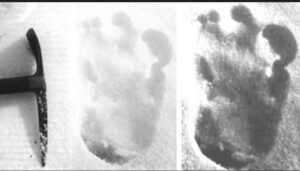
Scientists collected and re-analysed multiple physical samples that tradition or collectors had labelled “Yeti”. That included hair, bone, skin fragments and casts of purported footprints. Using modern DNA methods (mitochondrial sequencing and comparative genomics), researchers compared those sequences against large reference databases of known mammals to find the closest matches. This approach is standard in wildlife forensics and ancient-DNA research.
What were the key findings?
Most samples match known regional bears. Multiple tested hairs and tissues matched Himalayan or Tibetan brown bears, and in some cases Asian black bears. This is the dominant conclusion across larger, follow-up studies.
A small number of samples showed surprising affinities. Some earlier, limited analyses found sequences that aligned most closely with polar-bear lineages or ancient polar-bear-like sequences, which raised hypotheses about rare historical hybridization or degraded DNA confounding results. Subsequent, larger and more careful analyses largely reinterpreted those findings in the context of known bear diversity rather than evidence for a new primate species.
No reproducible evidence for a previously unknown bipedal primate. Across the peer-reviewed literature assembled to date, no tested specimen provides robust, reproducible support for an unknown large primate taxon in the Himalaya.
Why did earlier Yeti reports cause confusion?
Sample degradation and contamination. Old or poorly preserved samples can produce degraded DNA that is hard to interpret, sometimes leading to ambiguous or misleading sequence matches.
Limited sample sizes. Early studies sometimes worked from only a handful of fragments. Small sample sets are more likely to produce over-interpreted conclusions.
Narrative pressure. Folklore, tourism interest and sensational reporting can drive attention toward extraordinary claims before those claims have been thoroughly tested. Scientists emphasise that extraordinary claims require extraordinary evidence: reproducible, well-documented specimens and analyses.
What does the science imply, and what doesn’t it imply?
Implies: The biological origin of tested “Yeti” remains is best explained by regional bear species and, in some genomic comparisons, historical bear lineages. Scientists have used established molecular techniques to reach these conclusions.
Doesn’t imply: That all Yeti reports are misidentifications. Eyewitness accounts, folklore and cultural meaning remain important and deserve respectful consideration. It also doesn’t prove the absence of any unknown species anywhere. It only addresses the tested physical evidence.
What are the practical takeaways?
Treat extraordinary animal claims as testable hypotheses. Preserved physical specimens and transparent laboratory methods are essential.
When evaluating sensational claims in media or online, prioritise peer-reviewed research and independent replication over single anecdotes or poorly documented specimens.
Folklore and cultural narratives about creatures like the Yeti are valuable in their own right and reveal much about human interaction with landscape, risk and the unknown. They coexist with scientific inquiry rather than contradict it.
Final note on the Yeti question
The Yeti endures as cultural mythology and a powerful symbol of the wild. Modern genetic studies have not found evidence for an unknown primate taxon behind the tested specimens. Instead they point toward bears and known species as the biological basis for many purported “Yeti” remains. Continued respectful collaboration between local communities, naturalists and geneticists remains the best path to understanding both the biology and the cultural meaning of these enduring Himalayan stories.
FAQs about Yeti science
Is the Yeti real according to science?
There is no reproducible scientific evidence for the Yeti as a distinct primate species. DNA tests on every peer-reviewed sample so far trace back to known bears, including Himalayan and Tibetan brown bears and Asian black bears.
Why did some Yeti samples once appear to match polar bears?
Early limited studies found sequences similar to ancient polar-bear-like lineages. Larger follow-up analyses explained these results through known bear genetic diversity, degraded DNA and possible historical hybridization, not an unknown primate.
What DNA methods are used to test Yeti samples?
Researchers use mitochondrial sequencing and comparative genomics. The extracted DNA is matched against large reference databases of known mammals, the same approach used in wildlife forensics and ancient-DNA research.
Does the lack of Yeti evidence mean folklore is wrong?
No. Eyewitness accounts and cultural stories about the Yeti carry real meaning for Himalayan communities and tell us about how humans relate to landscape and risk. Science only addresses what tested physical evidence can and cannot support.
Could an unknown Himalayan primate still exist?
Science cannot prove absence. It can only say that the physical specimens tested so far point to bears. If new, well-preserved specimens were recovered and analysed transparently, researchers would happily study them with the same molecular tools.