
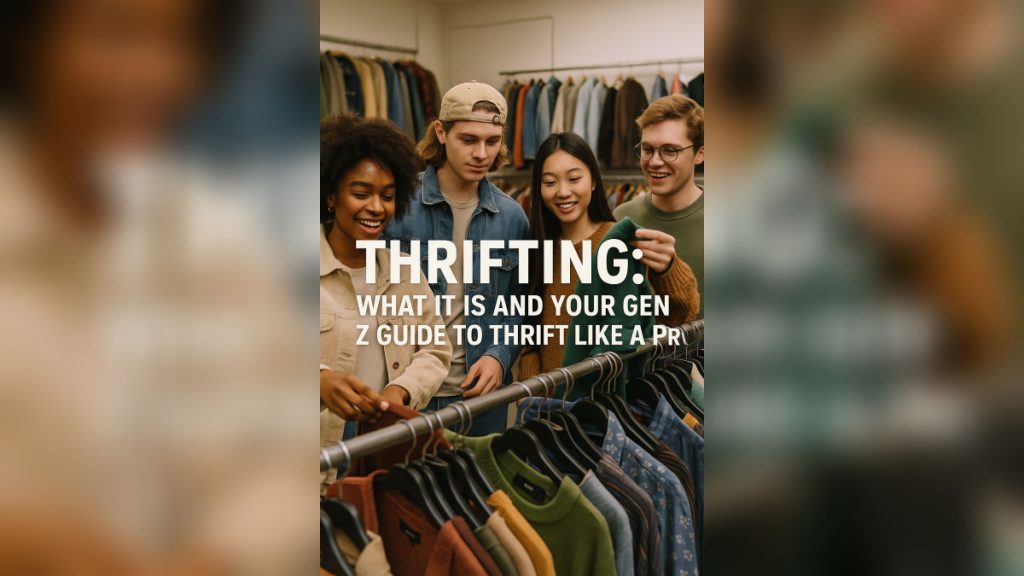
Short answer: Thrifting means buying pre-owned clothes and stuff from thrift stores, flea markets, or apps like Depop and Poshmark. Gen Z loves it because it’s cheaper (often 50-90% off retail), kinder to the planet, and the only way to build a wardrobe nobody else owns. The trick is to inspect every piece, shop often, and never buy something just because it’s cheap.
Fashion moves fast. Trends die faster. And somewhere in the middle of that mess, a quieter movement has taken root, one that swaps the dopamine hit of a Zara haul for the slower thrill of digging through a rack and finding something nobody else owns.
It’s called thrifting. For Gen Z, it isn’t really shopping. It’s a lifestyle, a creative outlet, and, if we’re being honest, a small act of rebellion against fast fashion’s churn.
What is thrifting, exactly?
At its core, thrifting is buying pre-owned or secondhand items, usually from thrift stores, consignment shops, flea markets, garage sales, or digital platforms like Depop, Poshmark and Instagram thrift pages. That’s the textbook version.
The reality is messier and more fun. What started as a necessity, or a charity-driven model, has turned into a full-blown culture, and thrifted finds now get flaunted on TikTok hauls and Instagram reels like trophies. The word “used” doesn’t sting the way it used to. From vintage band tees and worn-in Levi’s to retro lamps and quirky bookends, thrifting is about finding charm in the old instead of constantly chasing the new.
Why does Gen Z love thrifting?
1. Sustainability and climate awareness
Gen Z cares about the planet. According to a report by First Insight, 73% of Gen Z consumers are willing to pay more for sustainable products, and thrifting fits squarely inside that value system.
Fast fashion brands offer convenience. The catch is the cost behind the convenience: waste, unethical labour, enormous carbon footprints. Thrifting extends the lifecycle of clothing and keeps perfectly good garments out of landfills, all while sidestepping the energy-heavy machinery of making something new.
“I thrift because it feels good to know I’m not contributing to the environmental mess caused by fast fashion,” says Mehak, 21, a college student in Pune.
2. Celebrating individuality
Mass-produced items flood chain stores. Thrifted pieces don’t. They’re often one-of-a-kind, which gives Gen Z a real shot at building a wardrobe that says something about who they are. A grandpa cardigan. A ’90s windbreaker. A hand-painted tote that someone, somewhere, lovingly made and then let go. These things tell a story, and that’s the whole point. Fashion gets personal again, less about mimicking what’s trending.
3. The budget advantage
For students and young professionals juggling tuition, rent and the actual cost of staying alive, affordability matters. Thrifted goods can run 50-90% cheaper than retail prices, which means you can experiment with style without nuking your bank account. And when you score a $300 designer jacket for Rs 800 at a local thrift store? That’s not a deal, that’s a story you tell at every party for the next year.
4. The thrill of the hunt
There’s an addictive joy in rummaging through racks and unearthing something nobody else spotted. Thrifting is slow shopping, and it rewards curiosity, patience and a sharp eye. Every visit is a new adventure where you genuinely don’t know what you’ll walk out with: an oversized blazer that fits like it was tailored, a vintage book you’ve been hunting for, a quirky wall clock shaped like a cat. Shopping meets treasure hunt. Sometimes the hunt comes up empty. Usually it doesn’t.
How do you thrift like a pro?
1. Do your homework
Start by researching the best thrift stores in your city. Some places specialise in vintage clothing, others in home decor, books or furniture. Look for customer reviews, Instagram tags, and haul videos to figure out where the real gems are hiding.
If you’re into a specific aesthetic (Y2K, grunge, cottagecore), some curated thrift stores cater specifically to those styles. Save yourself the wandering.
2. Shop often, shop smart
Thrift stores restock constantly, which means frequent visits give you a much better shot at scoring quality pieces. Try to visit early in the day or on weekdays when footfall is lower. Pro tip: certain days have additional discounts or fresh drops, so just ask the staff. They’ll tell you.
3. Inspect before you invest
Always check for wear and tear. Examine seams, zippers, buttons, stains, smells. A small imperfection can be fixable, but some flaws are deal-breakers. Also, look out for tags. Natural fibres like cotton, linen, wool and leather tend to age well and are often more valuable than synthetics.
4. Be open to possibility
Here’s the rule that actually matters: keep an open mind. Don’t let sizing labels scare you off, vintage sizes differ wildly from modern ones, and tailoring works wonders. Try styles you wouldn’t normally gravitate toward. You may discover a new silhouette or colour that, oddly enough, suits you.
5. Think beyond clothes
Thrift stores are gold mines for far more than apparel. Dive into the other sections, books, lamps, records, art, frames, kitchenware, even quirky mugs. These smaller items add personality to your space and most shoppers walk right past them. One of my favourite thrift finds? A vintage rotary telephone that now sits on my bookshelf, more sculpture than function, but endlessly cool.
6. Tap into online thrifting
Not keen on sifting through physical racks? Online thrifting is booming. Platforms like Depop, OLX, Facebook Marketplace and curated Instagram shops let you explore pre-loved fashion from your couch. Just remember to check seller ratings, return policies, and stay cautious of fakes or overpricing, especially with luxury labels. The deal that looks too good usually is.
7. Don’t buy just because it’s cheap
Here’s the trap. Affordable doesn’t mean you need it. Mindless consumption is still consumption, even at a discount. Before purchasing, ask yourself: Will I actually wear this? Does it fit my style or space? Thrifting is about intentionality, not hoarding.
Why does thrifting matter more than ever?
As climate change accelerates and conversations around sustainability get louder, thrifting isn’t a fringe habit anymore. It’s a cultural statement. By choosing secondhand, Gen Z is challenging the cycle of overproduction and rewriting what stylish even means.
And thrifting builds community. It supports local businesses, fuels small-scale resellers, and lets forgotten fashion and home aesthetics get a second life. Ethical, economical, expressive. Three things that almost never share a sentence in mainstream retail.
Final thoughts: thrift with purpose, style with pride
Thrifting isn’t about scoring a cool denim jacket or a record player on the cheap. Well, it kind of is. But it’s also about choosing a way of life that values sustainability, individuality, and smarter consumption.
For Gen Z, this isn’t a trend. It’s a movement, one that embraces imperfections, tells stories through what you wear, and leaves room for creativity in the most ordinary choices. Whether you’re digging through piles in a Delhi market, browsing an indie thrift page on Instagram, or wandering into your neighbourhood secondhand bookstore, take your time. Explore. Let your voice come through every piece you pick.
FAQs about thrifting for Gen Z
What does thrifting mean?
Thrifting is the practice of buying pre-owned or secondhand items, usually from thrift stores, consignment shops, flea markets, garage sales, or apps like Depop and Poshmark. It covers everything from vintage clothes and band tees to retro lamps, books and quirky home decor.
Why is thrifting popular with Gen Z?
Gen Z thrifts for three main reasons: it’s significantly cheaper than retail (often 50-90% off), it’s better for the planet because it extends the life of clothing, and it lets them build a wardrobe nobody else owns. A First Insight report found 73% of Gen Z consumers are willing to pay more for sustainable products.
How do you spot a quality thrift find?
Inspect every piece carefully. Check seams, zippers, buttons, stains and smells before you commit. Natural fibres like cotton, linen, wool and leather age much better than synthetics, so look at the tag. Small imperfections are usually fixable, but anything structural is a deal-breaker.
Is online thrifting safe?
Mostly, yes. Platforms like Depop, OLX, Facebook Marketplace and curated Instagram shops are convenient, but always check seller ratings and return policies. Be cautious of fakes or overpricing, especially with luxury labels. If a price looks too good to be true, it almost certainly is.
How much can you save by thrifting?
Thrifted goods can be 50-90% cheaper than retail prices, which is why students and young professionals love them. The best scores are real designer pieces at flea-market prices, like a $300 designer jacket for Rs 800 at a local thrift store. Just don’t buy stuff you won’t actually wear.