


Short answer: When your mom becomes your friend, the parent-child hierarchy softens into choice and reciprocity. Roles shift but don’t vanish: you’ll need clearer communication, fair boundaries, and honest handling of old power dynamics. Friendship works best when built through small rituals, “I” statements, and practical agreements about time, topics, and emotional labour.
Subtitle: The quiet, complicated shift from parent-child to companion, and how to keep love, boundaries, and honesty alive as roles change.
It’s a particular kind of gravity when someone who once taught you to tie your shoes, cut your hair, or kiss a skinned knee becomes the person you share playlists with, text memes to, or plan weekend coffee dates around. That shift, from mother to friend, can feel like a gift, a puzzle, and a negotiation all at once. It rewrites expectations, reparations, and rituals. It also asks you to hold two truths at the same time: she is both the woman who raised you and the human you now choose to spend your leisure with.
This article walks through what actually changes when your mom becomes your friend, why it matters, and how to navigate the renegotiation so the relationship grows stronger instead of fraying at the edges.
How do roles change when your mom becomes your friend?
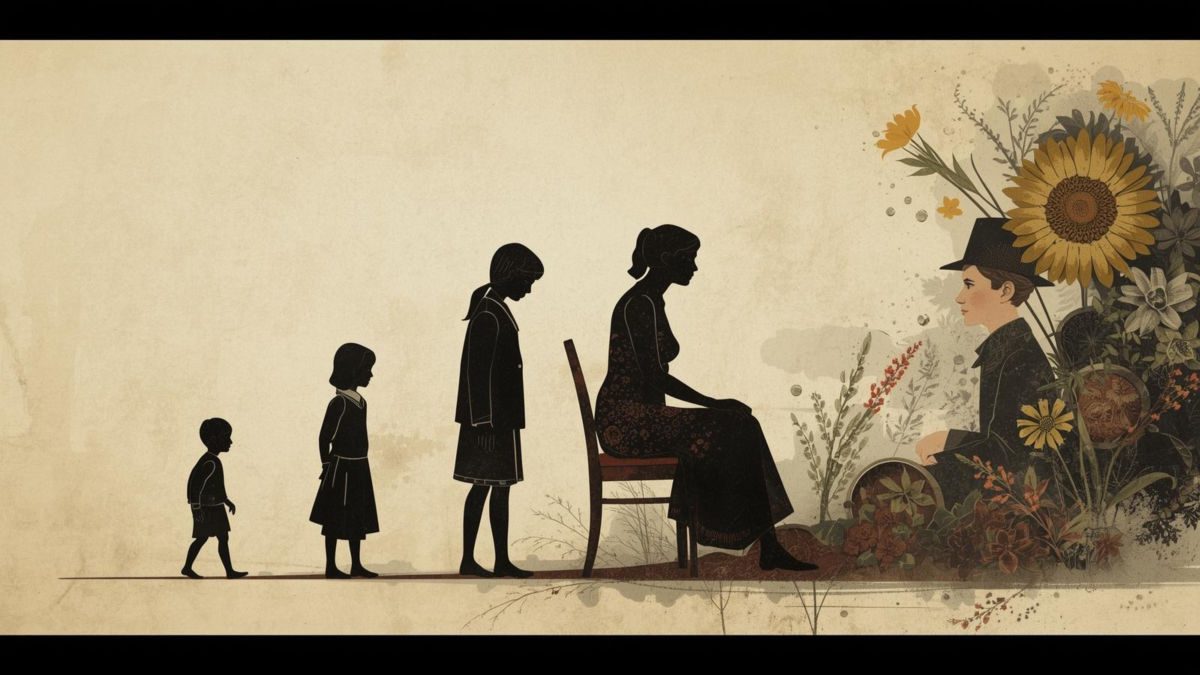
When a mother becomes a friend, roles shift but don’t vanish. The authority that came with parenting, setting rules, making health decisions, enforcing curfews, softens. In its place, a relational currency of choice and reciprocity rises: you call because you want to, not because you were told to; she shows up because she enjoys your company, not because duty compels her.
That softening is liberating. It also surfaces old dynamics. Childhood power imbalances don’t instantly disappear; they can morph. A mother who habitually gave advice may still default to instructing, and a grown child used to being parented may still flinch when offered direction. Friendship requires awareness: both people must notice when old scripts are playing and decide whether to keep, edit, or stop the scene.
Why does communication become more delicate?
Friendship invites a different kind of honesty. With a friend you expect mutual vulnerability and equal footing. With a mother, vulnerability can be loaded with history: wounds, expectations, and the unspoken ledger of who forgave whom.
This matters practically. Conversations that once resembled therapy sessions or lectures may need reframing. Compliments, frustrations, and personal boundaries have to be voiced with new language and intention. Saying “I need space” or “That felt hurtful” moves differently between friends than between parent and child. It asks for mutual repair rather than unilateral correction.
Practical tip: Use “I” statements that describe present experience, like “I felt ___ when ___,” rather than attributing motive. That keeps the focus on your experience and avoids reigniting old blame cycles.
How does emotional labour redistribute in this shift?
Sometimes the new friendship means the adult child and mother share emotional labour more equally: scheduling, commuting together, caregiving decisions, or celebrating holidays become collaborative. Other times, one person ends up doing more of the emotional clean-up, the “therapist daughter” phenomenon where adult children absorb and manage their parent’s distress.
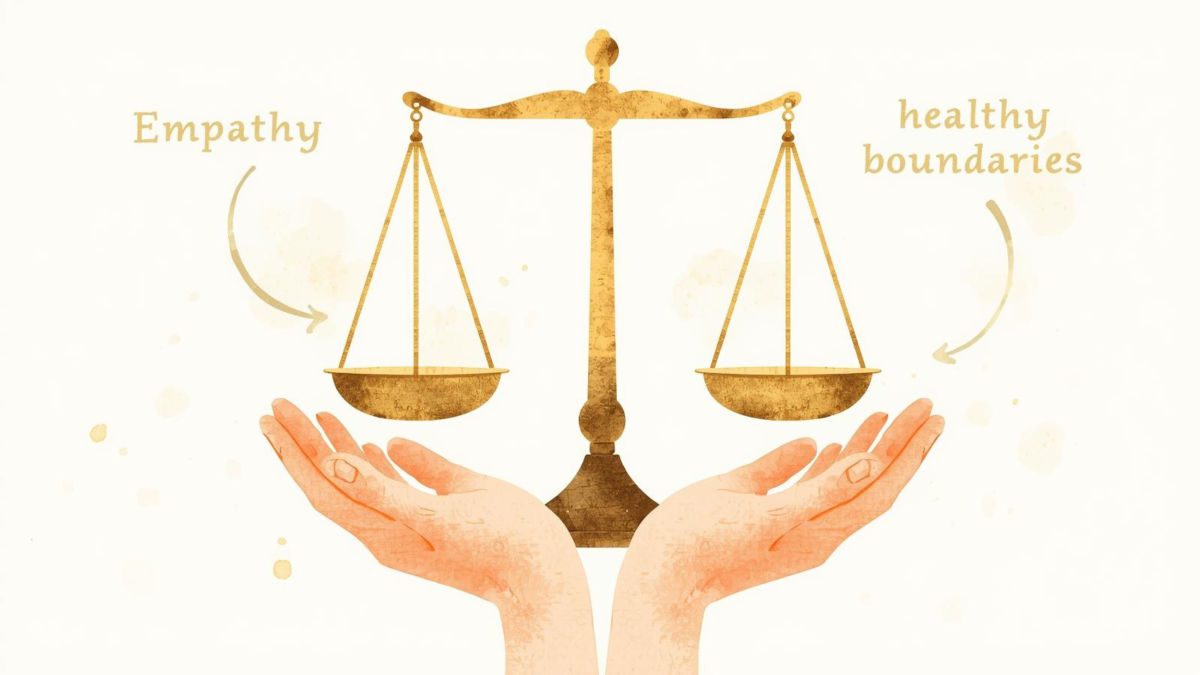
Boundaries become essential. Friendship doesn’t erase the need for limits around what you can reasonably hold for another adult. Being a friend to your mother can mean offering empathy while refusing to become her therapist, partner, or primary emotional support if those roles aren’t appropriate.
Practical tip: Decide what you can give sustainably (time, listening, small acts) and what you cannot (handling crises alone, fixing long-term health issues). Communicate those limits kindly but clearly.
What kind of intimacy grows between mother and friend?
Friendship can bring a gentler intimacy: shared tastes, inside jokes, and the awkward joy of mutual silliness. It lets you see each other’s day-to-day selves, not only the archetypal “mother” and “child.” That humanises both of you.
Yet deeper intimacy also means more exposure. You’ll see habits, anxieties, and failures once shielded by parental authority or filial courtesy. This can be healing: you finally notice the frailty, humour, or tenderness behind the role. It can also be destabilising if you’re unprepared.
Practical exercise: Create low-stakes rituals for deepening intimacy (a monthly walk, a 30-minute catch-up call) so closeness grows slowly and intentionally rather than through dramatic confessions.
How do power dynamics still matter?
Friendship implies equality, but real-life friendships are rarely symmetric. Differences in age, health, financial stability, or caregiving needs create real imbalances. The healthiest transitions toward friendship name those imbalances honestly and structure them fairly.
If your mother needs more care, your friendship will look different than if you’re both independent. If she was emotionally controlling, becoming friends doesn’t mean you must ignore past harms. Healing may be needed before genuine reciprocity is possible.
Practical tip: Name practical expectations: who pays for what, how decisions get made, who handles logistics. These concrete agreements prevent resentment from building under the veneer of “friendship.”

What about forgiveness and old wounds?
Becoming friends doesn’t require a tidy past. Some people reach friendship after explicit repair: apologies, therapy, or time. Others find friendship emerges alongside unresolved hurts that coexist with affection. Both are real.
If the relationship includes old wounds, be clear about what friendship means to you now. It may mean acceptance without reconciliation, or reconciliation without forgetting. Either is a valid way forward if you choose it intentionally.
Practical prompt: If you’re ready, consider saying something like, “I want us to be close, but some things from the past still bother me. I’m willing to work on them if you are.” This invites collaboration rather than demand.
What boundaries protect a mother-friend relationship?
Turning your mom into a friend often needs new boundaries. These aren’t rejection. They’re calibration.
Boundaries that help:
Time boundaries: limits on late-night calls, frequency of demanding conversations.
Topic boundaries: subjects you’ll postpone or avoid (e.g., politics, finances) when they provoke fights.
Role boundaries: areas you won’t take responsibility for (her romantic life, her full emotional support).
Physical and privacy boundaries: respecting living spaces, phones, or journals.
Frame boundaries as care: “I love our talks, and I’m easier to be with when we keep big arguments to a time when we can talk calmly.”

Which new rituals help friendship grow?
Some rituals naturally shift: Mother’s Day might become a brunch, not a chore; holiday hosting might be shared; advice-giving might be traded for mutual curiosity. New rituals can anchor the friendship: a monthly matinee, a playlist swap, cooking the same recipe, or a habit of ending calls on a playful note.
Rituals do the quiet work of loyalty. They make the relationship predictably warm, which is often what friendship seeks more than dramatic declarations.
What do you do when boundaries are resisted?
Not every mother will step comfortably into a friend role. Resistance can show up as jealousy, withdrawal, or attempts to reassert old authority. Meet resistance with steadiness, not hostility:
Reiterate your intentions calmly: “I want a closer relationship with you, but I also need some space to be my own person.”
Offer consistent behaviour: actions are more persuasive than arguments.
Seek external support: therapy, support groups, or close friends who can help you hold your line without collapsing into guilt.
What are the benefits of becoming friends with your mom?
When it works, friendship with your mother can be transformative. It offers:
Companionship rooted in a uniquely long shared history.
A more honest, less performative love.
A model for adult intimacy that teaches you how to balance care with autonomy.
A sense of continuity, your story stays connected across decades.
Friendship doesn’t perfect the relationship, but it gives it permission to grow beyond the old scripts.

What practical steps can you try this month?
Send a small, intentional message. Not about chores or health, but something silly or personal: a photo, a song link, a memory. See how it lands.
Set one boundary and practice it. If daily check-ins overwhelm you, try one focused weekly call and keep the rest for quick texts.
Declare a new ritual. Propose something tiny: “Let’s try a Sunday text thread where we each share one good thing that happened.”
Name a request instead of a complaint. Replace “You always…” with “I’d like…” and watch the tone change.
Try a short forgiveness experiment. If there’s an old hurt you can’t resolve, let it inform your expectations without dictating every interaction. (This doesn’t mean ignoring abuse or harm. Serious harms need safety, boundaries, and often professional help.)
When should you seek help beyond friendship work?
If your mother’s behaviour includes emotional or physical abuse, coercion, or manipulation that threatens your safety or wellbeing, friendship is not the first priority. Safety is. In those cases, set clear safety boundaries and seek professional support. Friendship is only possible when both parties can consent to it freely and respectfully.
Closing: choose kindness, not perfection
The transition from mother to friend is less an arrival than a practice. It asks for curiosity, tenderness, and a steady willingness to notice where old patterns reappear. Sometimes it will be glorious; sometimes clumsy. Sometimes it will need repair. The best outcome isn’t perfection. It’s choosing to keep building with honesty and care.
FAQs about becoming friends with your mom
What does it mean when your mom becomes your friend?
It means the parent-child hierarchy softens into choice and reciprocity. You call her because you want to, not because you have to, and she shows up for your company, not out of duty. Roles shift but don’t erase, so old dynamics still need awareness.
How do you set boundaries with your mother without hurting her?
Frame boundaries as care, not rejection. Use “I” statements like “I’m easier to be with when we keep big arguments for calm moments.” Set time, topic, role, and privacy boundaries, and communicate them kindly but clearly.
Is it healthy to be best friends with your mom?
It can be, if you both consent freely and respectfully. Healthy mother-friend relationships name power imbalances honestly, share emotional labour fairly, and allow space for autonomy. Avoid becoming her sole therapist, partner, or emotional support.
How do you handle old hurts when becoming friends with your mom?
Decide what friendship means to you now, whether that’s acceptance without reconciliation or reconciliation without forgetting. If you’re ready, say something like, “I want us to be close, but some things from the past still bother me. I’m willing to work on them if you are.”
When should friendship with your mother take a back seat?
If her behaviour involves emotional or physical abuse, coercion, or manipulation that threatens your safety or wellbeing, friendship isn’t the priority. Safety is. Set clear safety boundaries and seek professional support instead.