In a time when investing advice is loud, fast, and often driven by short-term wins, Harsh Gahlaut, Founder and CEO of FinEdge, offers a refreshingly different perspective—one rooted in purpose, behaviour, and long-term thinking. With over two decades of experience across wealth management and private banking, Harsh has seen first-hand how investment journeys can lose direction when products take precedence over people.

He founded FinEdge in 2011 to challenge this very approach, building a model that prioritises goal-based investing and behavioural guidance over return chasing. At the heart of this philosophy is Dreams into Action (DiA), FinEdge’s proprietary platform that blends human judgement with intelligent systems to help investors stay aligned with their life goals over time. An alumnus of Hansraj College and Symbiosis Institute of Management Studies, and shaped by the discipline of his years at Army Public School, Harsh brings clarity and structure to a space often clouded by noise.
In this interview with The Youth Talks, he breaks down why Gen Z is rethinking retirement, the risks of impulsive investing in the age of finfluencers, and how young Indians can build financial freedom that is both realistic and sustainable.
- There is a growing trend of young Indians aspiring to retire in their 40s rather than waiting until 60. What is driving this shift in how Gen Z defines retirement and financial freedom?
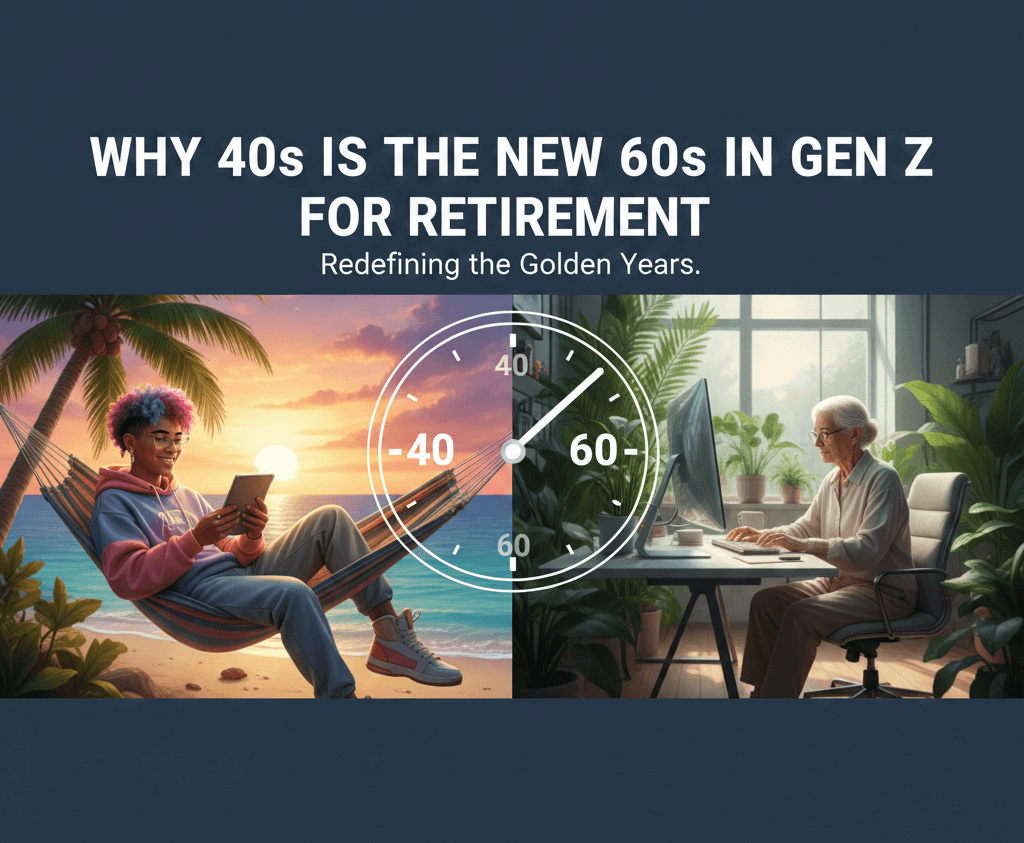
Gen Z is an independent thinking generation that has grown alongside technology and opportunity. With access to digital platforms, varied technologies and a booming economy, they have been in the midst of greater possibilities than any generation before them. This exposure has encouraged them to question the traditional ‘retire at 60’ mindset and instead design careers that prioritise flexibility, choice and long-term freedom.
Gen Z is redefining retirement by being aggressive about money goals and at the same time having control over their time and lifestyle. Another aspect driving plans for early retirement is that, career spans are shrinking as technology, AI and machines drive higher efficiency with fewer people doing more work. The idea of early retirement is therefore not just by choice but by design as well. Concepts like FIRE (Financial Independence Retire Early) have given this thinking a framework. For this generation, financial freedom means flexibility and having the option of doing what they want without compromising on long term financial security.
- How is this early retirement mindset influencing the way young investors are saving and investing today, and what changes are you seeing in their behaviour compared to previous generations?
Young investors today are approaching money with a very different lens. Early retirement is an active goal, and time is their greatest ally. Starting early allows small regular investments to compound significantly over long periods. Gen Z is a digitally aware generation and open to new asset classes, but the real advantage comes from building consistency rather than chasing quick outcomes. Goal driven investing, not return chasing investing, is where long term wealth is created.
Systematic Investment Plans fit naturally into this mindset. They create discipline and remove irrational decision making from the investing process. Compounding becomes the real advantage towards wealth creation. An SIP of Rs. 25,000 with a modest annual step up of 5% for 20 years can grow into a corpus of Rs. 4.4 crores. (assuming 14% annualised return).

However, the noise of social media can blur judgement and we have seen a lot of young investors getting pulled towards the narrative of easy returns. Finfluencers have often amplified high risk ideas without context, pushing young investors toward impulsive decisions. As per a recent study by SEBI, 9 out of 10 retail investors have lost money while trading in F&O. This makes structured planning critical. A retirement strategy built around clear goals, risk awareness and expert guidance keeps investors anchored during market swings and ensures the journey stays purposeful and rewarding.
- From your experience, what are the most common financial mistakes Gen Z investors make while chasing early retirement, especially in volatile market conditions?
One of the most common mistakes Gen Z investors make while chasing early retirement is confusing ease of investing with equal ease in wealth creation. Digital platforms and DIY apps have made investing convenient, but with convenience what gets ignored is personalised investing, emotions and goal orientation. Many young investors get swayed by algorithm driven platforms, short term returns and trending ideas without fully understanding risk, market cycles or own investing behaviour during volatility.
Another mistake is relying heavily on the information clutter around us. Social media and finfluencers tend to make investing a very generic process, infact it is the opposite because successful investing is more about being personalised, purpose driven and highly goal oriented. Information or sometimes even mis-information leads to dabbling in high risk products like F&O or crypto trading, frequent portfolio changes or panic exits during corrections leading to losses in the portfolio.
A third, often ignored reality is shrinking career spans. Automation, machines and AI are compressing careers and making income visibility less predictable. Delaying retirement planning in such an environment can be costly. The price of starting late is not getting the benefit of compounding and higher pressure on future savings. Early, disciplined investing becomes inherent for a secure retirement.
Early retirement demands patience, consistency and emotional control. A clear, goal aligned plan complimented with human expertise keeps investors steady through uncertainty and allows wealth to compound quietly over time.
- Given non-linear careers and changing life goals, how should Gen Z approach retirement planning differently to make early retirement more realistic and sustainable?
The basic principles of Retirement Planning are discipline, consistency, and a high level of goal orientation. With nonlinear careers and constantly evolving life goals, Gen Z needs to treat retirement planning as a long-term wealth building process. At FinEdge, we believe retirement is not just a priority, but a reality that needs attention early on at the start of one’s career. The biggest advantage young investors have is time, and starting early allows compounding to do the heavy lifting while reducing the cost of delayed investing.
Unlike previous generations with predictable career paths, technology will impact the careers of the younger generation far more than it did in the past. AI, Machine learning, and robotics will change careers for Gen Z, making them more efficient, but at the same time, they could experience shorter spans, career breaks, and role changes. Retirement plans must be aligned to this reality. Hence, it would be important to have a portfolio that is highly goal-focused, periodically reviewed, and adjusted as income, priorities, or life stages change. Investing early also creates optionality. It gives investors the freedom to take career risks without compromising long-term security.

Balancing risk and reward by automating your investments is key. SIPs are ideal for this and help you stay disciplined, keeping you consistent throughout the long investment journey. A clear roadmap, guided by an investment expert, helps align investments with goals and keeps the early retirement ambition realistic, sustainable, and stress free.
- What do young investors today look for in a financial planning partner, beyond just returns, when it comes to long-term goals like retirement?
Young investors today are digitally fluent and expect technology to simplify their financial lives. But when it comes to long-term goals like retirement, they look beyond just returns. Time has become a scarce resource, and Gen Z prefers solutions that reduce decision fatigue while keeping investments aligned to long-term priorities. They want to invest without constantly tracking markets or reacting to every headline.
What truly matters is personalisation and trust. Investors want plans built around their cash flows, risk comfort, and life goals, not generic portfolios. They value expertise that can interpret markets, manage volatility, and apply judgement when conditions change. A strong process that aligns the right products to the right goals ensures consistency across market cycles.
This is where a bionic approach, like the one we follow at FinEdge, becomes relevant. Technology enables automation, tracking, and insights, while experienced investment experts actively manage portfolios. Investors can focus on careers, family, and personal growth, knowing their retirement journey is being guided with intent and discipline over the long term. This ensures you stay on track to achieve your long-term goals despite any market vagaries you encounter along the way.
The investing journey is long and in the end what would matter is Personalisation, expertise and an investing process that is built around your goals and priorities.
- Technology plays a central role in how Gen Z manages money. How does FinEdge’s integration of AI-driven planning with human expertise help young investors build smarter, more personalised retirement strategies?
– Technology sits at the center of how Gen Z manages money, but successful retirement planning still depends on judgement, discipline and behaviour over time. At FinEdge, we view AI and human expertise as complementary rather than competing forces. Wealth creation is not just a data problem. It is emotional, contextual and deeply personal.
AI is used to analyse large volumes of data, personalise plans and track patterns in client behaviour. This helps identify risks early, spot behavioural outliers and generate timely insights. These insights inform the process but do not replace decision making. If investing is personal, then decisions must ultimately be made by people who understand context, goals and emotions, not by algorithms acting in isolation.
The investment expert steps in to guide, reassure and keep clients aligned with long term goals, especially during volatile phases. AI does not make investment recommendations or portfolio level changes. All decisions rest with the investment expert, who applies judgement, context and accountability. This ensures that investment safety and suitability remain firmly in human hands.
While automation or AI could be powerful, long term investing success has never been about product selection. It is about clarity of purpose, emotional control and the ability to stay committed through market cycles, areas where human expertise remains indispensable.