

Short answer: Indian Gen Z prefers WhatsApp voice notes over text because they carry tone, humour, and emotion without the effort of typing. A 2023 YouGov survey found 8% of Indian WhatsApp users aged 18+ prefer voice notes, the highest in Asia, and India now has 549 million active WhatsApp users with around 7 billion voice notes sent daily on the platform globally.
In India, messaging is not just a way to communicate. It has become a cultural phenomenon. For Gen Z, born into smartphones, instant messaging, and mobile-first internet, WhatsApp is the lifeblood of daily interaction. Within this ecosystem, one trend stands out: voice notes are rapidly becoming the preferred mode of communication.
Gone are the days when typing long messages or curating text replies was the norm. A quick voice note, filled with nuance, emotion, and personality, carries more meaning than words on a screen. This is not anecdotal. India-specific data confirms the shift.
Why do Indian Gen Z users lead Asia in voice note preference?
A 2023 YouGov survey covering 17 countries revealed a striking statistic: 8% of Indian WhatsApp users aged 18+ prefer voice notes over any other form of messaging, the highest proportion in Asia.

While the survey includes users across age groups, the pattern reflects India’s youth-driven mobile culture. Gen Z is drawn to quick, expressive, and authentic communication. For a generation juggling multiple apps, conversations, and content feeds, voice notes convey tone, humour, and emotion, nuances often lost in text.
In a country with diverse languages and accents, speaking often feels more natural than typing. Voice notes let Gen Z communicate comfortably without worrying about spelling, grammar, or the effort of long-form typing.
How has WhatsApp voice notes become a daily ritual in India?
India is not just another WhatsApp market. It is the largest in the world, with over 549 million active users in 2025. This scale has turned WhatsApp into a central communication layer for daily life, spanning personal messages, group chats, work coordination, and educational updates.

According to platform data, approximately 7 billion voice notes are sent daily on WhatsApp globally, and India accounts for a significant share. These figures are not limited to Gen Z, but they show how voice notes have become standard behaviour rather than a novelty.
This aligns with the broader mobile-first trend among Indian youth, where speed, convenience, and expressiveness are valued over formal communication. Voice notes, with their immediacy and emotional depth, fit this perfectly.
What makes voice notes so appealing to Gen Z?
Several factors explain why India’s younger users are increasingly choosing voice over text.
1. Expressive communication
Gen Z thrives on nuance, personality, and emotional resonance. A quick voice note can convey humour, sarcasm, excitement, or empathy in a way that text often cannot. Think of the difference between reading a line in a book and hearing a friend’s animated retelling of the same story. Tone matters.
2. Effortless and time-efficient
Typing long messages on small mobile keyboards can be cumbersome. Voice notes reduce friction and let users communicate thoughts more fluidly. For a generation switching between apps, classes, and social interactions, efficiency matters.
3. Multilingual comfort
India’s linguistic diversity makes typing in multiple languages or scripts a challenge. Voice notes bridge this gap, allowing Gen Z to switch seamlessly between Hindi, English, Tamil, Bengali, or mixed code languages, reflecting how they actually speak.
4. Human connection in a digital world
In a screen-saturated lifestyle, hearing a friend’s or partner’s voice adds human warmth and immediacy. For Gen Z, who value authenticity and personal connection, voice notes offer intimacy that texts can’t replicate.
How do voice notes fit the Gen Z WhatsApp ecosystem?
While formal studies explicitly isolating Gen Z voice note behaviour are limited, indirect evidence and usage trends point to their central role.
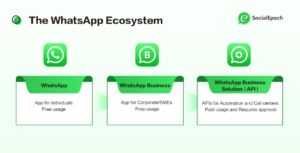
- Gen Z spends hours daily on WhatsApp, often juggling multiple groups and personal chats simultaneously.
- Short, expressive communications like voice notes reduce cognitive load, helping them maintain connection without typing fatigue.
- Voice notes fit naturally with storytelling, memes, and quick reactions, core elements of Gen Z social interaction.
From sharing a funny anecdote to sending heartfelt messages to friends or family, voice notes are more than convenient. They are a social tool.
What does this mean for marketers targeting Gen Z?
For brands and media targeting Gen Z in India, understanding this shift is crucial.
- Use voice in campaigns. Brands can experiment with voice-based engagement, from interactive WhatsApp campaigns to audio-first micro-content that resonates with Gen Z’s preferred mode of communication.
- Humanise brand communication. A text-only approach may feel distant. Voice messages or audio content from brand representatives or creators can build authenticity and connection.
- Respect cultural and linguistic nuance. Given India’s diversity, voice communication allows localised, natural messaging that aligns with Gen Z’s multilingual habits.
- Integrate with social features. Voice notes in community-building activities, contests, or peer-to-peer engagement can enhance reach and resonance.
India’s Gen Z is redefining digital communication. Voice notes are no longer an optional feature. They are central to how young people connect, express themselves, and navigate social spaces.
With billions of messages flowing daily, WhatsApp’s voice feature mirrors Gen Z’s communication values: speed, authenticity, emotion, and convenience. For marketers, creators, and media companies, this is more than a trend. It is a blueprint for engagement.
The takeaway is clear: if you want to reach India’s youth, your brand needs to speak their language, literally. Embrace voice, embrace authenticity, and tap into the power of Gen Z’s preferred communication channel. Voice notes are not just changing messages. They are changing relationships, connections, and culture itself.
FAQs on WhatsApp voice notes and Gen Z in India
What percentage of Indian WhatsApp users prefer voice notes?
A 2023 YouGov survey covering 17 countries found that 8% of Indian WhatsApp users aged 18+ prefer voice notes over any other form of messaging, the highest proportion in Asia.
How many active WhatsApp users does India have in 2025?
India is the largest WhatsApp market in the world, with over 549 million active users in 2025.
How many voice notes are sent on WhatsApp every day?
According to platform data, approximately 7 billion voice notes are sent daily on WhatsApp globally, and India accounts for a significant share.
Why do Gen Z users in India prefer voice notes over text?
Voice notes carry tone, humour, sarcasm, and warmth that text struggles to convey. They also remove the friction of typing across multiple languages and scripts, which suits India’s multilingual habits.
How can brands use voice notes to engage Gen Z in India?
Brands can run voice-first WhatsApp campaigns, use audio content from creators, tailor voice messages to regional languages, and integrate voice into community contests to connect authentically with Indian Gen Z.