

Short answer: Ishan Kishan’s comeback matters because he stepped away from international cricket amid burnout debates, went back to domestic grind via the Ranji Trophy, and returned without public drama. For Gen Z, it is a lesson in recalibration, quiet work, and earning credibility instead of demanding it.
Comebacks are common in sport. Meaningful ones are rare.
Athletes are judged in real time. One innings is celebrated, the next is torn apart. Returning stronger takes more than talent. It takes maturity, perspective, and emotional control.
That is why Ishan Kishan’s comeback deserves a closer look from Gen Z. This is not only about scoring runs again. It is about how he handled pressure, criticism, and uncertainty in an era that amplifies every stumble.
Why does stepping back take courage in elite sport?
In elite sport, stepping away can look like weakness. Fans demand consistency. Selectors demand performance. Social media demands explanations.

When Ishan took time away from international cricket amid discussions around workload and mental fatigue, the reaction was mixed. Opinions flooded timelines. Debates intensified.
Here is what made it impressive: he did not react emotionally. No defensive interviews. No noise. He recalibrated.
According to the American Psychological Association’s 2023 Stress in America report, Gen Z reports higher levels of stress than older generations. Burnout is personal for them, not abstract. Seeing a high-performance athlete acknowledge that mental bandwidth matters reframes what strength looks like.
For a generation balancing ambition with exhaustion, that call alone deserves respect.
How did he choose the harder road back?
It would have been easier to demand reinstatement based on past performances. This is the same player who smashed a breathtaking 210 off 131 balls in an ODI against Bangladesh, becoming the youngest cricketer to score a men’s double century in the format.
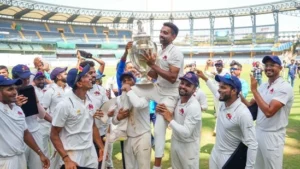
Instead of leaning on reputation, Ishan returned to domestic cricket. He played the grind. He worked through the system.
The Ranji Trophy does not carry the glamour of international stadiums. It does not trend the way Indian Premier League matches do. But it tests discipline.
Gen Z, often accused of wanting instant success, understands something deeper: sustainable growth needs groundwork. Watching Ishan rebuild through performance rather than public pressure reinforces that mindset. He did not ask for shortcuts. He earned his way back.
Why did he let his bat do the talking?
In the digital era, silence is rare. Instagram and Twitter push instant reactions and curated narratives. Through the scrutiny, Ishan stayed composed.
No cryptic posts. No public feuds. No dramatic proclamations. Just cricket.
That restraint signals emotional intelligence: managing public perception without being consumed by it. Deloitte’s Global Gen Z Survey consistently shows that authenticity ranks high among the traits young people admire in leaders and public figures. Gen Z values real over rehearsed. By staying grounded, Ishan strengthened credibility.
How does he represent small-town possibility?
Born in Patna, Bihar, Ishan’s rise challenges traditional cricket hierarchies. Indian cricket was once heavily metro-driven. Today, talent emerges from across the country.
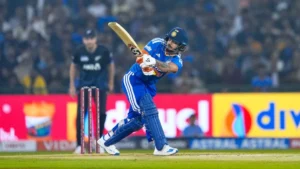
For young people in Tier-2 and Tier-3 cities, his journey is tangible proof that geography does not limit potential.
I once spoke to a cricket aspirant from a smaller town who said, “When someone from your region makes it big, it changes how you see your own ceiling.”
Representation is not only symbolic. It is motivational. Gen Z, attuned to stories of access and equity, should appreciate how his path widens the narrative of who gets to succeed.
How does he balance swagger with self-awareness?
On the field, Ishan plays boldly. He attacks. He improvises. He trusts instinct. Off the field, he stays measured. That duality is striking.
Confidence without arrogance is rare. Many young athletes, especially in the age of branding, lean into performative boldness. Ishan’s public persona feels balanced: expressive without being excessive.
Gen Z respects individuality, and it respects emotional maturity too. Being fierce in competition yet grounded in demeanour reflects growth. And growth is impressive.
Why does his comeback mirror Gen Z’s reality?
His story feels familiar. This generation grew up during economic volatility, a global pandemic, and constant digital comparison. Career paths are no longer linear. Breaks are sometimes necessary. Reinvention is often required.

Ishan’s journey mirrors that arc. He faced scrutiny. He stepped back. He worked quietly. He returned sharper.
That sequence normalises recalibration. It tells young people that setbacks are not final chapters. They are plot twists.
What does this comeback actually teach?
At its core, Ishan Kishan’s resurgence teaches three lessons Gen Z should value:
- Mental strength includes knowing when to pause.
- Reputation does not replace hard work.
- Noise fades. Performance endures.
In an era obsessed with instant validation, these principles land differently. Comebacks are not impressive because someone returns. They are impressive because of how someone returns.
What is the bigger picture here?
Gen Z does not only admire highlight reels. They admire resilience. Self-awareness. The courage to evolve.
Ishan Kishan’s comeback is not just a cricketing narrative. It is a blueprint for modern ambition: bold yet balanced, driven yet reflective.
So yes, Gen Z should be impressed. Not because he scored runs again, but because he showed that strength is not only about pushing forward. Sometimes it is about stepping back, rebuilding quietly, and returning stronger without losing yourself in the process.
In today’s world, that kind of comeback is worth applauding.
FAQs about Ishan Kishan’s comeback
What was Ishan Kishan’s record-breaking ODI innings?
Ishan Kishan smashed 210 off 131 balls in an ODI against Bangladesh, becoming the youngest cricketer to score a men’s double century in the format.
Why did Ishan Kishan take a break from international cricket?
He took time away amid discussions around workload and mental fatigue. Rather than react publicly, he recalibrated and returned to domestic cricket through the Ranji Trophy.
Where is Ishan Kishan from?
Ishan Kishan was born in Patna, Bihar, and his rise is seen as an example of talent emerging from outside traditional metro cricket hubs.
What can Gen Z learn from Ishan Kishan’s comeback?
Three lessons stand out: mental strength includes pausing, reputation does not replace hard work, and noise fades while performance endures.
How did Ishan Kishan handle media pressure during his break?
He avoided cryptic posts, public feuds, and dramatic statements. He let his cricket speak, which Deloitte’s Global Gen Z Survey findings on authenticity suggest is exactly what young audiences respect.