

Short answer: Minimalist branding is winning Gen Z in 2025 because it feels calm, honest, and intentional in a noisy digital world. Brands like Apple, Nothing, Muji, Aesop, Uniqlo, and Tata Cliq Palette use clean design, limited palettes, and quiet typography to signal clarity and trust.
Your favourite brands no longer scream for attention. They whisper confidence. In 2025, brands like Apple, Nothing, Muji, and Aesop have shown that minimalism isn’t boring, it’s powerful. For Gen Z, who are flooded with visual noise every day, minimalist branding offers something rare: clarity and calm.
So what makes minimalism resonate with a generation known for creativity and rebellion?
What changed: from loud to light
In the 2010s, bold colours, glittery logos, and overdesigned graphics ruled. Every brand wanted to be seen. Now, Gen Z wants the opposite: authenticity, emotion, and purpose.
Minimalist branding is not about removing clutter alone. It is about showing intent. Brands like Nothing, the tech company founded by Carl Pei, use transparent designs and simple typography to signal honesty. The message is not about how much you show, it’s about what you don’t need to.

Why does Gen Z love minimalism?
Digital fatigue. Scrolling through hundreds of flashy ads daily has left Gen Z exhausted. Minimalist designs with calm colours, open space, and clean fonts feel like a break. It’s a design detox.
Emotional authenticity. Minimalist branding feels more human. When a brand uses clean visuals and a subtle tone, it communicates confidence and trust, not desperation.
Aesthetic and lifestyle alignment. The minimalist look fits into Gen Z’s lifestyle, from aesthetic desk setups and monochrome outfits to “quiet luxury” fashion. It’s not only design; it’s identity.
Clarity in messaging. Minimal design helps brands focus on storytelling. Instead of flashy graphics, they use words and tone to build emotional connection.

Which brands are leading minimalist design?
Nothing – Their transparent design language turned tech into art.
Apple – Continues to set the standard in simplicity and elegance.
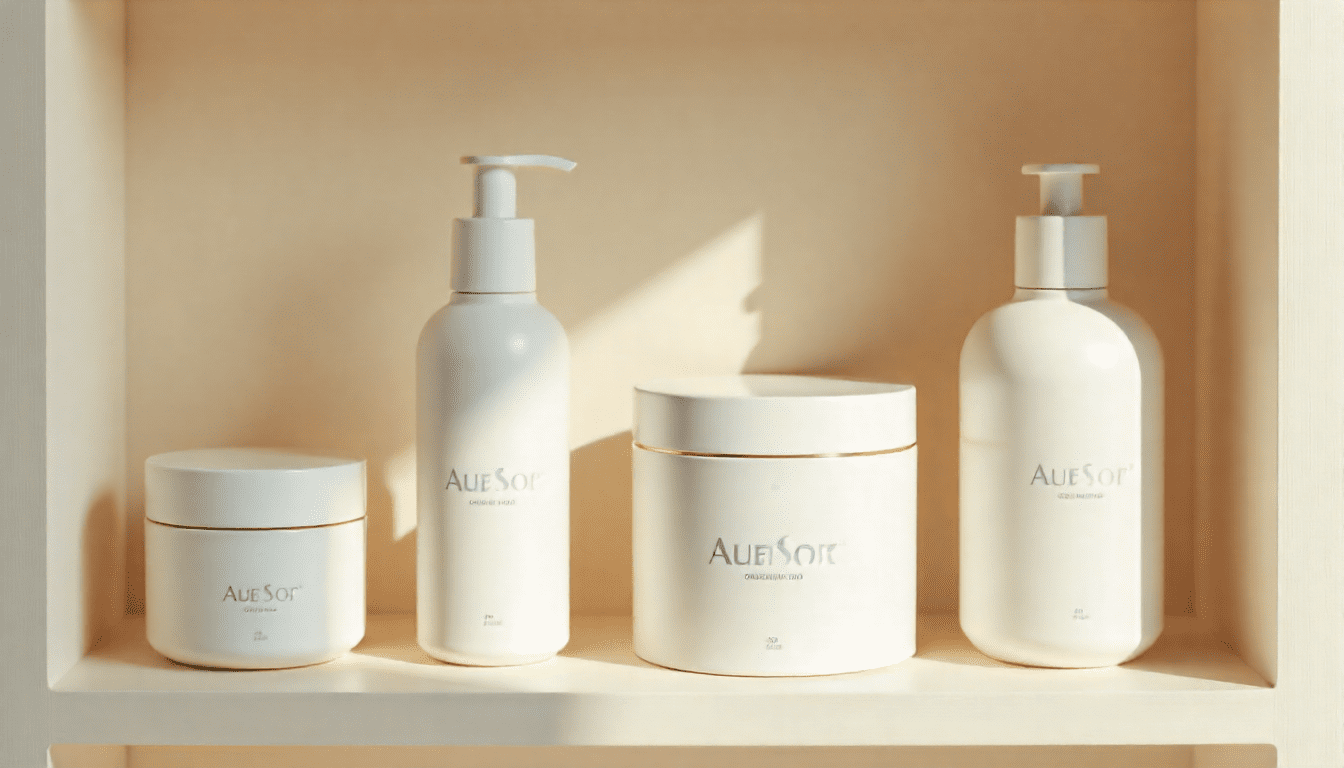
Aesop – Their earthy packaging and calm palette represent mindful luxury.
Uniqlo – Focused on timeless basics over fast trends.
Tata Cliq Palette – One of India’s few Gen Z-focused platforms using a clean, bold, minimalist UI.
These brands prove that less isn’t just more, it’s memorable.
How can creators and designers apply minimalism?
Limit your colour palette: stick to 2–3 complementary tones.
Use whitespace strategically: let the design breathe.
Focus on typography: choose fonts that reflect personality, not chaos.
Tell a story visually: every image and word should serve a purpose.
Remove distractions: if it doesn’t add value, it’s noise.
Minimalism teaches restraint, a skill many new designers overlook.
What is the future of minimalist design?
Minimalism isn’t fading, it’s evolving. As AI-generated art and hyper-visual media rise, simplicity will stand out even more. In 2025, minimalist branding is becoming synonymous with trust, innovation, and timelessness.
For Gen Z creators and entrepreneurs, the movement is a reminder: “The loudest message doesn’t always need to shout.”
FAQs about minimalist branding
Why does Gen Z prefer minimalist branding over loud design?
Gen Z faces constant visual noise online, so minimalist branding feels calm and honest. Clean layouts, limited palettes, and simple typography signal confidence and trust, which matters more to Gen Z than flashy graphics.
Which brands are best known for minimalist branding in 2025?
Apple, Nothing, Muji, Aesop, and Uniqlo are global leaders in minimalist branding. In India, Tata Cliq Palette is one of the few Gen Z-focused platforms using a clean, bold, minimalist UI.
What is “quiet luxury” and how does it link to minimalism?
Quiet luxury is a style movement favouring understated pieces, neutral tones, and timeless basics over logos and loud branding. It overlaps with minimalism because both value restraint, quality, and intentional design.
How do I start designing in a minimalist style?
Limit your palette to 2–3 tones, use generous whitespace, pick typography that fits your personality, make every visual element serve the story, and remove anything that doesn’t add value.
Is minimalist branding just a trend or a long-term shift?
It is a long-term shift. With AI-generated art and hyper-visual media rising, simplicity stands out more, not less. Minimalist branding is becoming tied to trust, innovation, and timelessness, all of which outlast short trend cycles.