
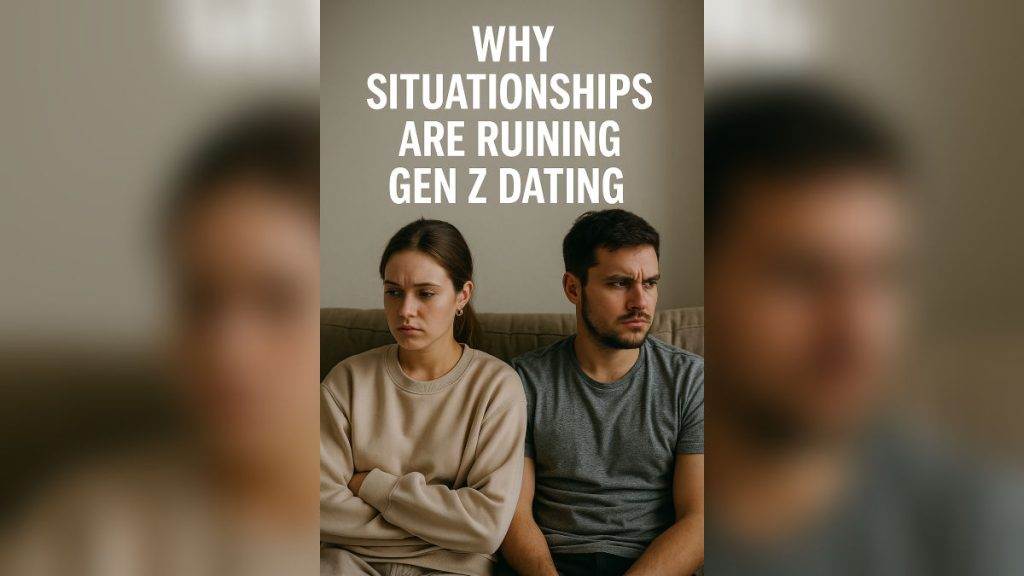
Short answer: Situationships, undefined romantic setups with no labels, are eroding Gen Z’s emotional health by trading clarity for flexibility. Pew data shows 45% of Gen Z feel overwhelmed by dating-app choice, which fuels the cycle. The fix is direct conversation, even when it’s awkward.
It starts with a spark. An exchange of memes, late-night texts, maybe a weekend sleepover or two. Then somewhere along the way you realise you’ve slipped into emotional limbo. You’re not just friends. You’re not officially dating either. Welcome to the world of situationships, a term that has become uncomfortably familiar for Gen Z navigating modern romance.
Some argue these undefined connections offer flexibility and freedom. Others end up confused, emotionally drained and disconnected. So what’s really going on? Why are situationships becoming the default, and how are they shaping the way Gen Z builds romantic relationships?
What is a situationship, really?
A situationship is a romantic or sexual relationship that lacks formal definition or commitment. There’s emotional intimacy, sometimes even exclusivity, but without the clarity of being “official.” It’s the relationship equivalent of “it’s complicated.”
And while it might sound like a convenient setup, especially in a fast-paced world, the reality is that situationships often blur emotional boundaries and leave people unsure of where they stand.
The emotional hazards of situationships
Emotional ambiguity and uncertainty
One of the most damaging aspects of a situationship is its ambiguity. Without clear labels or expectations, both people are left navigating uncharted waters. Are we just having fun? Are we building something? Are you seeing someone else?
This confusion fuels anxiety. A 2022 study by The Journal of Social and Personal Relationships found that people in ambiguous romantic relationships reported significantly higher levels of emotional stress than those in defined ones. Without clarity, even small misunderstandings turn into emotional landmines.
The no-label trap
Gen Z is known for challenging norms and redefining relationships. But when “no labels” becomes a crutch to dodge vulnerability, the consequences can turn toxic.
Refusing to label often means avoiding the hard conversations about needs, boundaries and intentions. And when communication breaks down, so does trust. I once spent six months in what I thought was a “slow-burn romance.” Turns out, he thought we were “just chill.” The emotional mismatch left me blindsided and questioning my self-worth.
Playing emotional hide-and-seek
In a situationship, there’s often an unspoken expectation to be emotionally present, but not too present. To care, but not too much. It’s an emotional tightrope walk without a safety net.
This push-and-pull is exhausting. You find yourself analysing texts, wondering if you’re overstepping by asking for more attention, or fearing that expressing your needs will get you labelled “clingy.”
Why does Gen Z keep falling into situationships?
Fear of commitment and the illusion of options
Commitment is scary, especially when you’re still figuring out who you are. Many Gen Zers fear being “tied down” before they’ve had a chance to explore life on their own terms. Dating apps fuel that mindset. With endless swipes and potential matches, settling down can feel like settling too soon.
According to a 2023 Pew Research study, nearly 45% of Gen Z adults report feeling overwhelmed by the number of options available on dating platforms. This paradox of choice makes it easier to dip into casual connections than to build something lasting.
Prioritising personal goals over partnership
There’s a wider cultural shift happening too. Unlike previous generations, Gen Z often places career, mental health and personal growth above romantic involvement. For many, a full-time relationship doesn’t fit the equation, especially when juggling studies, side hustles, and self-healing journeys.
Situationships, with their low-pressure structure, look like a good fit for that lifestyle. Over time though, their lack of depth leaves a void.
A comfort with ambiguity
For some, the idea of a fluid, undefined relationship feels freeing. Labels can feel outdated. Commitment can feel suffocating. And in a world that prizes independence, a situationship offers connection without the confines of tradition.
But freedom without clarity is a double-edged sword. What starts as “just vibes” can spiral into emotional confusion the moment one person catches deeper feelings and the other doesn’t.
The hidden costs of being in a situationship
Unequal emotional investment
In many cases, one person ends up far more emotionally invested than the other. That imbalance isn’t only painful, it’s destabilising. It leaves one partner walking on eggshells, unsure whether expressing affection will pull the other person closer or push them away.
I remember a friend crying after her “situationship” partner ghosted her two days after they spent a weekend together. They had never defined the relationship, so she felt she had no right to be hurt. But emotions don’t care about definitions.
Blocking real intimacy
Because situationships operate in emotional gray zones, they often stunt deeper connection. Vulnerability needs trust and safety, two things that are hard to grow when you don’t know where you stand.
Long term, this makes it tough to form emotionally healthy relationships. People start to equate love with confusion, or intimacy with anxiety. It becomes a cycle that’s hard to break.
How do you navigate or exit a situationship?
Talk about it, even if it’s awkward
The first step is having the conversation. What do you want? Where do you see this going? Are your needs being met?
It’s uncomfortable. It’s also necessary. Clarity protects your emotional health, even if the answer means walking away.
Define the relationship or choose yourself
If you’re craving commitment and your partner is dodging labels, it’s okay to leave. Staying in a situationship hoping they’ll change rarely works, the version of yourself that knows she deserves a love that’s certain, not circumstantial, is the one to choose.
Prioritise emotional self-care
Your relationship with yourself comes first. Journal your feelings, lean on your support system, go to therapy if needed. Don’t internalise the failure of a situationship as a reflection of your worth, you deserve emotional security, not ambiguity.
Final thoughts — redefining what we really want
Situationships reflect the modern desire for flexibility. But at what cost? Left unchecked, they erode self-esteem, delay emotional growth and keep people from experiencing real connection.
Gen Z has the power to redefine dating. Let’s not confuse fear with freedom though. Real love doesn’t require labels, but it does require clarity, communication and mutual respect.
FAQs about Gen Z situationships
What exactly counts as a situationship?
A situationship is a romantic or sexual connection without a formal label, often featuring intimacy and even exclusivity, but no agreed commitment. It sits between casual hookups and a defined relationship.
Why are situationships so common among Gen Z?
Three things converge. The 2023 Pew Research study found 45% feel overwhelmed by dating-app options. There’s cultural focus on career over partnership. And genuine fear of commitment after watching older generations struggle.
Are situationships always bad?
Not always. They can work briefly when both people genuinely want low pressure. The 2022 Journal of Social and Personal Relationships study links ambiguous relationships to higher emotional stress over time.
How do I bring up “the talk” without scaring my partner off?
Skip the ultimatum. Try a calm check-in: what each of you wants in the next few months, what feels safe. If a direct, kind question scares them off, that’s already your answer.
How do I move on after a situationship ends?
Treat it like a real breakup, because emotionally it is one. Journal, lean on your support network, consider therapy if self-doubt loops. The lack of a label doesn’t make the grief less valid.