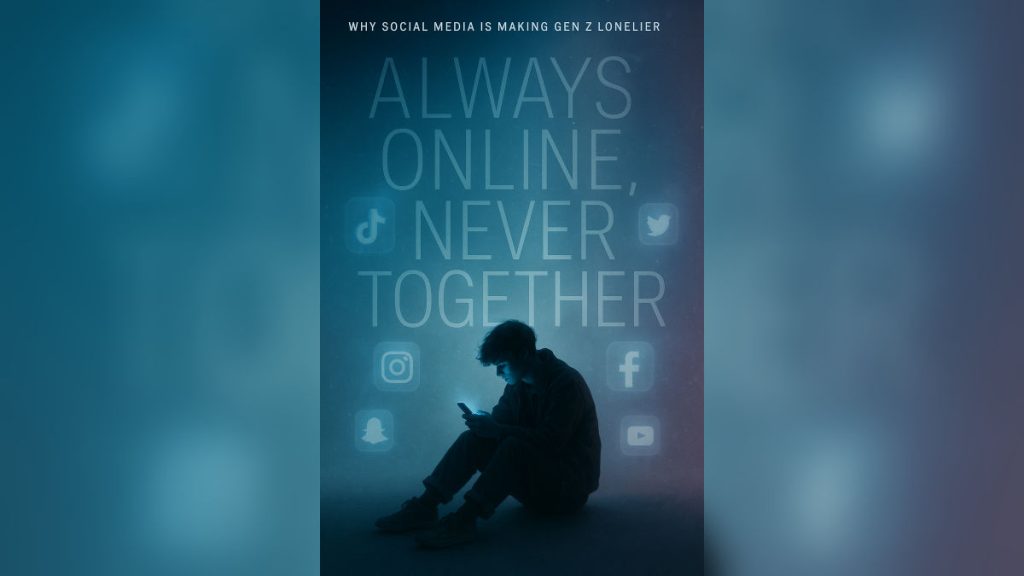
Short answer: The most connected generation is also the loneliest. A 2022 Lancet study found 61% of Gen Z feel worse about their lives after browsing social media, and the APA reports 73% lack deep friendships. Comparison, shallow connections, addictive algorithms and pandemic isolation are the four engines behind it.
Gen Z grew up with smartphones in hand and Wi-Fi always within reach, and the irony stings: the most connected generation in history is also the loneliest. Hours on Instagram, TikTok and Snapchat, yet many young people report feeling more isolated than ever. How does an ecosystem built for connection cause this much disconnection?
The answer hides beneath the screen. Social media offers endless interaction but often lacks the emotional depth and authenticity real human connection demands. So users end up scrolling through curated perfection, hungry for something more meaningful. Let’s break down why social media might be feeding loneliness instead of fixing it.
Why does the highlight reel effect hurt so much?
Curated lives and constant comparison
On social media, everyone seems to be living their best life. Vacations in Bali. Picture-perfect friend groups. Lavish birthday surprises. These highlight reels dominate feeds and paint a distorted version of reality. For Gen Z, consuming this round the clock leads to painful comparisons.
Scrolling through Instagram late at night, 19-year-old Aanya from Delhi once confessed, “It’s hard not to feel like I’m failing when all I see are people achieving more, looking better, or having more fun than me.” This isn’t just anecdotal. A 2022 study by The Lancet found that 61% of Gen Z report feeling worse about their own lives after browsing social media.
Constant comparison breeds inadequacy. Users feel left out, not good enough, behind in some imagined race. When your reality doesn’t match the glamour you see online, it gets lonely fast.
Are Gen Z’s online connections actually deep?
The illusion of intimacy
Sure, Gen Z is chatting more than ever, through DMs, Snap streaks, group chats, voice notes. But how many of those interactions actually go beyond the surface?
Social media manufactures the illusion of connection. You might know what someone had for lunch or where they spent the weekend, but that doesn’t mean you’re truly connected. Likes and emojis can’t substitute emotional support. A report by the American Psychological Association revealed that 73% of Gen Z feel they lack deep, meaningful friendships.
Face-to-face interaction carries empathy, body language, emotional nuance. A heart emoji can’t quite replace a hug, or a heartfelt conversation over coffee.
FOMO and the need to stay plugged in
Constant updates from friends and influencers trigger FOMO, fear of missing out. Even when Gen Z users want a break, the anxiety of being outside the loop drags them back. The need to be available, liked, updated becomes exhausting, and that exhaustion shows up as loneliness too.
How are algorithms isolating young users?
Personalisation at a cost
Social media platforms are built to maximise engagement, not mental well-being. Algorithms feed users content that matches their preferences, locking them in a loop of similar opinions, aesthetics, even emotional tones.
This personalisation can feel cosy, but it limits exposure to new ideas and real-world diversity. You start seeing only what you already agree with, isolating you further from the messy, nuanced conversations that build real connection.
Emotional triggers and mental fatigue
What gets more clicks? Calm debates or outrage? Peaceful posts or sensational drama? Most algorithms favour emotionally charged content, especially the kind that triggers anger, sadness or envy. Over time this emotional overload pushes anxiety, stress and fatigue, eroding the bandwidth needed to connect with others meaningfully.
Did the pandemic make Gen Z’s loneliness worse?
A generation raised through screens
The COVID-19 pandemic hit Gen Z at a crucial developmental stage. Schools shut. Friendships paused. Campuses emptied. For months, sometimes years, young people relied almost exclusively on social media and video calls to stay in touch.
Zoom and Instagram Live kept some interaction alive, but they couldn’t replicate the subtle dynamics of being in a room together. Many Gen Zers are now navigating stunted social skills and heightened anxiety around real-world interactions.
Long-term impact on connection
Even after restrictions lifted, the habits stuck. Showing up at an event, striking up a conversation, just hanging around in person, all of it can feel intimidating for a generation that grew comfortable behind screens. Loneliness has gone from spike to plateau, and digital substitutes still can’t fill the gap.
How can Gen Z rebuild real-world relationships?
Cultivating authenticity offline
To push back against digital loneliness, Gen Z needs encouragement to seek authentic, in-person connection. That doesn’t mean ditching social media. It means using it more mindfully.
Start small. Put your phone away at dinner. Call a friend instead of texting. Join a local club, a class, a cause. These actions look minor on paper, but they’re the building blocks of deeper, more fulfilling relationships, the kind a feed can’t generate.
Redesigning digital spaces for well-being
It’s also time for tech platforms to step up. Algorithms should be designed with mental health in mind, promoting balance, encouraging breaks and diversifying content rather than trapping users in echo chambers. More apps now bake in screen-time warnings or wellness reminders. There’s still a long way to go.
Loneliness in the age of connection
Social media promised to bring people closer. And in many ways it has. But it also brought an unexpected cost: isolation hidden beneath interaction, comparison disguised as connection, performance mistaken for personality.
For Gen Z, loneliness isn’t just about being alone. It’s about feeling unseen, misunderstood, emotionally disconnected in a world that’s always online. Breaking free doesn’t require abandoning digital life, just redefining how we engage with it. The fix isn’t logging off forever. It’s logging into real life more often.
FAQs about Gen Z and social media loneliness
Why does social media make Gen Z feel lonelier despite constant interaction?
Because most of that interaction is shallow. The APA found 73% of Gen Z lack deep, meaningful friendships, and a 2022 Lancet study found 61% feel worse after browsing social media. Likes, streaks and emojis can’t carry the empathy or nuance of in-person connection, so the loneliness persists.
What is the highlight reel effect?
It’s the gap between curated online life and messy real life. People mostly post their best moments, vacations, wins, parties, which makes everyone else’s day-to-day feel inadequate by comparison. For Gen Z, that comparison loop drives feelings of failure and inadequacy.
How did the COVID-19 pandemic affect Gen Z’s social skills?
The pandemic isolated Gen Z at a key developmental stage. Many leaned almost entirely on social media and video calls during school closures. The result is widespread reports of stunted in-person social skills and heightened anxiety around real-world interactions, even after restrictions ended.
Do social media algorithms make loneliness worse?
Yes, in two ways. They lock users into echo chambers of similar content, limiting exposure to diverse perspectives. And they favour emotionally charged content, anger, envy, sadness, which builds up as mental fatigue and erodes the energy needed for real connection.
How can Gen Z reduce loneliness without quitting social media?
Use it more mindfully. Phone away at dinner. Call instead of texting. Join an in-person club, class or cause. Audit who you follow and mute accounts that consistently make you feel worse. The goal is logging into real life more often, not deleting every app.