

Short answer: India’s Jinali Mody (28, Mumbai), founder of Banofi Leather, won the 2025 UN Young Champions of the Earth prize for converting banana crop waste into a leather substitute. Her women-led venture cuts water use, toxic chemical waste, and carbon emissions tied to conventional leather, and signals a wider rise of India’s youth-led climate-tech founders.
What is the Young Champions of the Earth prize?
The Young Champions of the Earth prize is more than a trophy ceremony. It is a platform, a signal, and a bet on youth who are building solutions for climate change rather than only talking about them. This year’s winners from India, Kenya and the U.S. are working on waste, water, and new materials. In India’s case, that means turning banana crop waste into leather alternatives.
For a young audience, these stories carry weight: age is no barrier to impact, and bold ideas with sustainability at the core can compete globally.
Who is Jinali Mody and what does Banofi Leather do?
Let me zoom in on the Indian winner and her project, then widen out to the ripple effects.
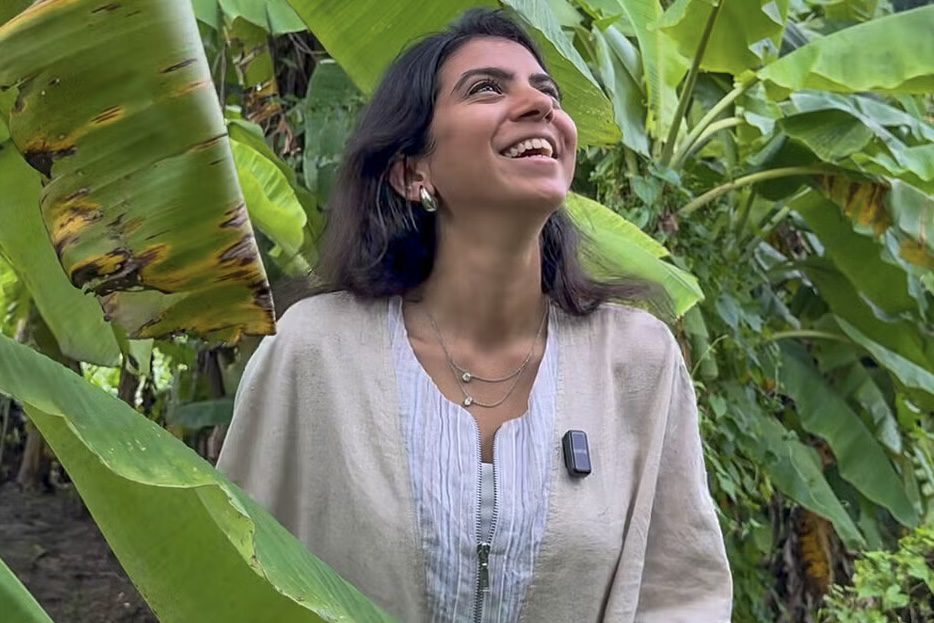
Jinali Mody (28, Mumbai): A biochemistry graduate who founded Banofi Leather, a women-led enterprise converting banana waste into leather substitutes. Regular leather production is water-intensive, polluting, and emits high CO₂. Banofi’s process claims to drastically reduce water use, eliminate toxic chemical waste, and cut carbon emissions. She is reframing two problems at once: agricultural waste and fast fashion’s footprint.
What the prize gives them: Seed funding, mentorship, global visibility, and a chance to compete for bigger grants and investments. More importantly, the spotlight helps them scale, network, and influence wider policy.
Why does youth-led climate innovation matter in India?
Climate-tech is no longer niche
For a long time, green startups were treated as side projects or moral gestures. Stories like Banofi show they can be commercially viable, scalable, and future-facing. Young founders can lean into climate as a strength.
The circular economy is going mainstream
Using banana peels, crop residues, and other waste as raw material is circularity in action. It eases the burden on landfills, lowers demand for virgin resources, and links agriculture with industry. Youth-led circular ventures will grow more competitive in global markets.
Women and inclusion in climate innovation
The winner is a woman leading a venture in a male-dominated mix of startup, biochemistry, and materials science. Representation shapes how solutions get designed and whom they end up serving.
Inspiration and ecosystem activation
When young people see peers win global prizes, belief grows. It drives more founders, more experimentation, more climate ambition. Awards like this also push investors, governments, and institutions to take youth-led eco-solutions seriously.
What are the biggest challenges for green startups?
Even with promise, scaling isn’t easy. A few common obstacles:
Cost and capital: Green processes often start with higher cost or R&D investment. Scaling needs patient capital and risk appetite.
Regulation and certification: New materials must pass safety, durability, and regulatory thresholds to compete with leather, plastic, and fabrics.
Supply chain integration: Getting consistent banana waste input, processing logistics, distribution, and quality control is complex.
Market acceptance: Convincing customers, brands, and manufacturers to adopt alternatives takes trust, marketing, and proof.
Sustainability credentials: Avoiding greenwashing is key. Founders must show transparently how resource use, emissions, lifecycle, and recyclability improve.
How can young creators build green ventures?
Here is what young creators, innovators, and youth movements can take from this:
Start small, scale smart: Pilot local, prove the model, then expand.
Collaborate across sectors: Partner with farmers, waste collectors, designers, labs, and brands.
Use storytelling and transparency: People buy values. Show the journey and the impact.
Look for seed and impact funding: Grants, climate funds, CSR, and angel networks tuned for green businesses.
Engage in policy and norms: Push for government support, standards for biobased materials, subsidies, or tax breaks.
Build networks: Local hubs, climate incubators, and cross-border exchange.
What does this say about India’s climate future?
India has latent strength in agriculture, biodiversity, and consumer markets. Combined with rising climate risk, the space for climate innovation becomes essential rather than optional. As countries push for decarbonisation, youth and startups move from the periphery to the centre of change.
Awards like Young Champions accelerate that transition. They spotlight, validate, and reward action. India’s young entrepreneurs taking up this mantle points to a more hopeful future, where climate solutions are built from within, by those who inherit both the burden and the opportunity.
From prize to promise: what comes next
The Young Champions award isn’t a finish line, it is a launchpad. For every story we hear, many more sit in labs, fields, and small towns waiting to scale. What matters next is ecosystem support: funding, regulation, mentorship, market access, and belief.
Whether you are a student, creative, aspiring founder, or everyday citizen, India’s next wave of climate leaders is already rising. Pick a problem you care about (food waste, materials, water, energy) and start designing your green prototype, pitch, or side project. In this decade, real change will come from trying.
FAQs on India’s young eco-entrepreneurs
Who won the 2025 UN Young Champions of the Earth from India?
Jinali Mody, a 28-year-old biochemistry graduate from Mumbai and founder of Banofi Leather, won the prize for her women-led venture that turns banana crop waste into a leather alternative.
What is Banofi Leather made from?
Banofi Leather is produced from banana crop waste. The process claims to drastically cut water use, eliminate toxic chemical waste, and reduce carbon emissions compared to conventional leather.
Why is banana waste useful for making leather alternatives?
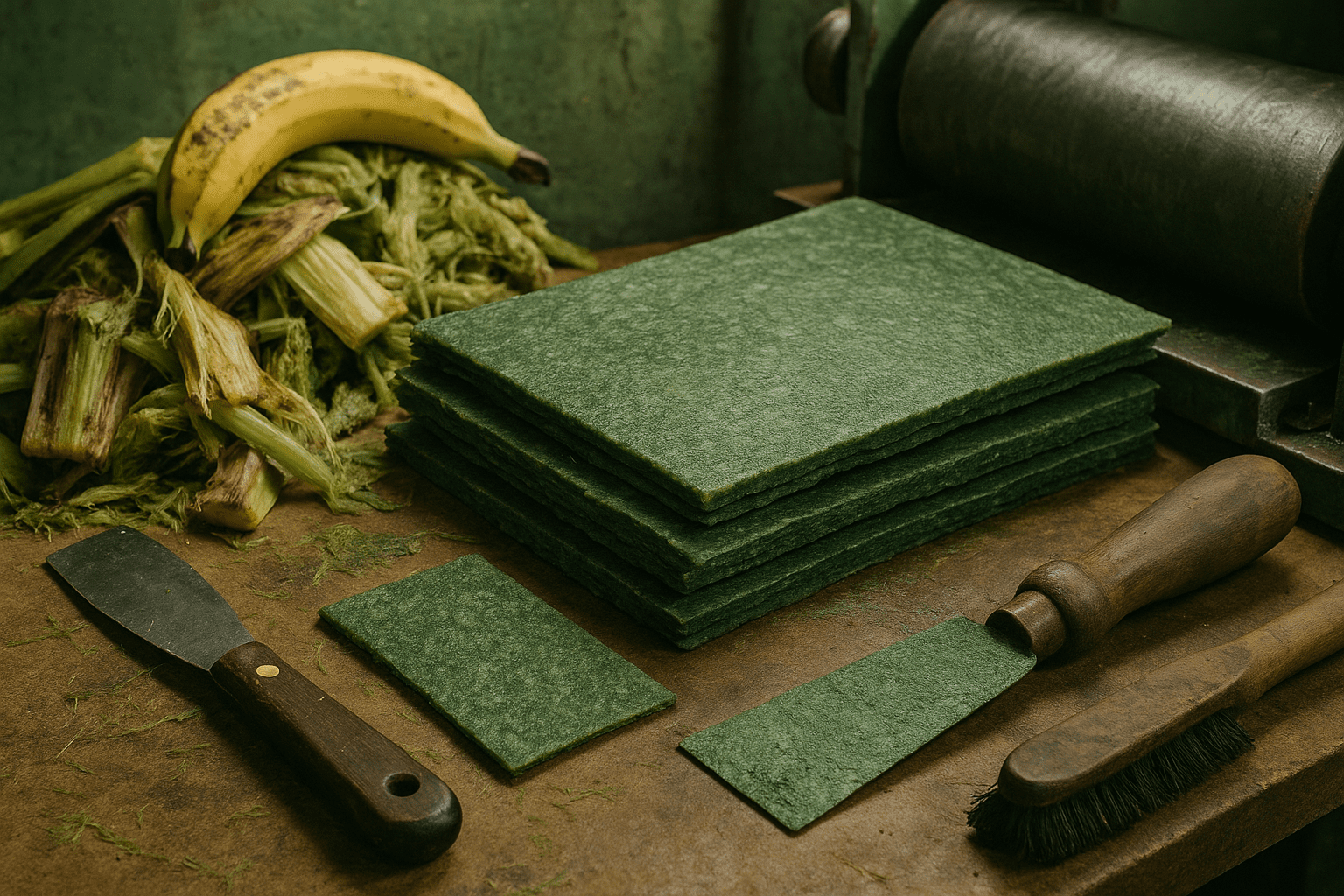
Banana farming generates large volumes of crop residue that would otherwise be discarded or burned. Converting it into a leather-like material tackles agricultural waste and fast fashion’s footprint at the same time.
What do winners of the Young Champions of the Earth receive?
Winners receive seed funding, mentorship, and global visibility, plus access to bigger grants and investor networks that help them scale their climate solutions.
How can young Indians start their own climate-tech venture?
Start with a specific problem (waste, water, energy, materials), pilot small, partner across sectors, seek climate-focused grants or CSR funding, and build transparent impact metrics to avoid greenwashing.