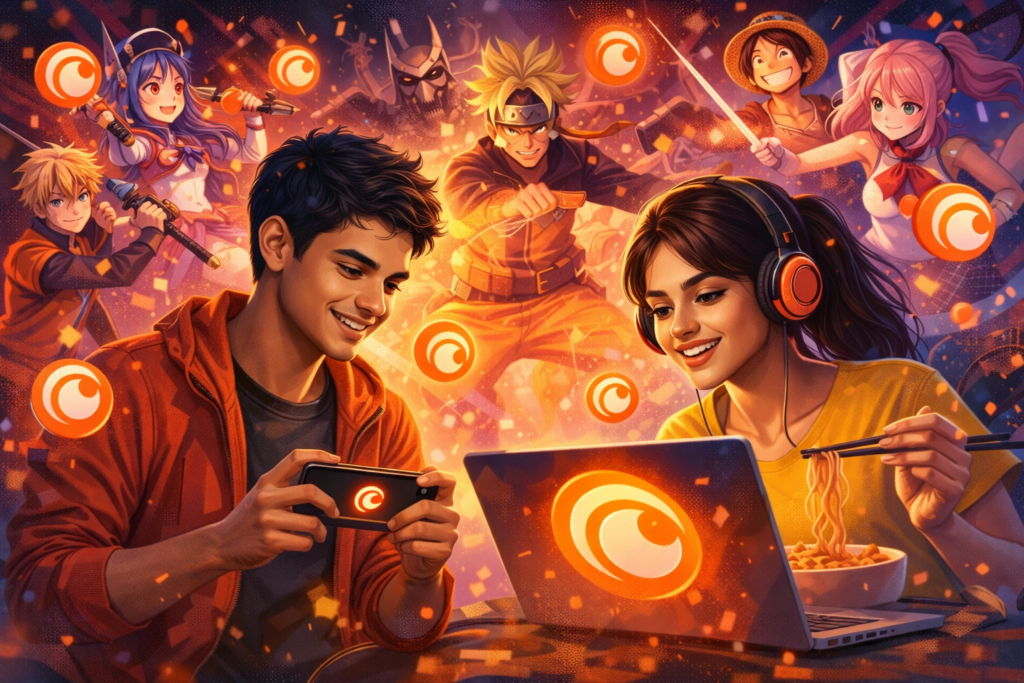
Short answer: Crunchyroll, owned by Sony Group Corporation, has turned anime in India from a niche hobby into Gen Z’s favourite obsession. Affordable subscriptions, Hindi dubs, simulcast releases, and conventions have pulled fans out of piracy and into a shared culture alongside Bollywood and K-dramas.
A few years ago, being an anime fan in India meant staying up late for Dragon Ball Z or Naruto on TV, or hunting for episodes on shady streaming sites. I still remember piecing together plot twists with friends in college corridors. Today that world is gone. Anime has moved from a niche hobby to a full-blown cultural movement for Indian Gen Z, and at the centre of that shift sits Crunchyroll.
With its growing footprint in India, the platform is not just selling a subscription. It is building an ecosystem of storytelling, fandom, and global cultural exchange. Many fans are already calling this India’s Anime Age.
What is Crunchyroll and who owns it?
Crunchyroll was founded in 2006 and is now owned by Sony Group Corporation. It has become the default name in anime streaming worldwide, with a huge library of series and films, many released through simulcasts that let fans watch episodes almost at the same time as the Japanese premiere.
The merger with Funimation consolidated content and expanded reach. Beyond streaming, Crunchyroll runs merchandise, manga, and community events, which is why fans treat it as more than just an app.
Key features of Crunchyroll
- Large content library: Thousands of anime titles across genres.
- Simulcast releases: Near-simultaneous global premieres.
- Subtitles and dubs: Growing Hindi and regional language support for Indian viewers.
- Community engagement: Conventions, meetups, and fan experiences.
- Merchandise and licensing: The anime experience beyond the screen.
Why is anime exploding in India right now?
The Gen Z effect
Indian Gen Z is online, globally wired, and hungry for storytelling that goes beyond the usual Bollywood template. Anime hits that need. Themes of resilience, identity, friendship, and self-discovery line up with the pressures and ambitions young Indians actually live with.
From piracy to premium
For years, limited legal access pushed fans towards pirated sites. Affordable platforms like Crunchyroll flipped that switch. According to industry reports, India’s OTT market is expected to surpass USD 7 billion by 2027, which shows how much room there is for niche services like this one.
Social media and fandom culture
Anime has ridden the wave of Instagram, YouTube, and Discord. Memes, fan art, cosplay, and long discussion threads have turned it into a shared language. At an anime convention in Mumbai last year, I saw the scale of this fandom first hand, with fans in full cosplay filling the venue. Anime is no longer on the fringes of Indian pop culture.
How did Crunchyroll enter and expand in India?

Crunchyroll’s India push reflects the size of the market. The platform has moved in on three fronts.
Localised content
Crunchyroll is investing in Hindi and regional language dubs and subtitles. This pushes access beyond metro cities and lets viewers in Tier 2 and Tier 3 towns enjoy anime in a language they are comfortable with.
Simulcast releases
Simulcasting changed the game. Indian fans can now watch new episodes almost at the same time as viewers in Japan. That shared global moment kills a lot of the reason to pirate in the first place.
Community engagement
Crunchyroll shows up at anime conventions, fan meetups, and works with local influencers. These touchpoints build a genuine fandom and turn the brand into something fans defend on their own.
How is Crunchyroll priced for India?
Crunchyroll’s success in India rests heavily on a pricing and marketing plan tuned to a price-sensitive but digitally heavy audience.
Affordable tiered pricing
Crunchyroll offers subscription plans that are priced well below Western markets. Tiered plans cover everything from casual viewers to hardcore fans. Lower entry prices convert pirate viewers into paying ones.
Localised marketing campaigns
The marketing plays on cultural relevance. Collaborations with Indian creators, cosplay artists, and meme-driven social campaigns help the brand speak Gen Z’s language without sounding like a global company reading from a script.
Strategic partnerships
The platform works with telecom operators, digital payment apps, and event organisers to expand reach. These alliances also embed Crunchyroll inside India’s wider digital ecosystem.
Freemium and trial models
Ad-supported free content and trial periods let users test the platform before they pay. The freemium route has been effective at moving hesitant users into paid plans.
Community-led marketing
Instead of leaning only on ads, Crunchyroll invests in fan events, merchandise launches, and interactive experiences. Fans become advocates, which is cheaper and far more credible than paid spots.
The pricing and marketing plan shows a real understanding of India: affordable on the surface, aspirational underneath.
What are the top anime driving the craze in India?
Crunchyroll’s India momentum is powered by a mix of titles that have become Gen Z staples.
| Anime | Why it resonates |
| Solo Leveling | Underdog-to-hero arc with gaming aesthetics |
| Jujutsu Kaisen | Stylish action and iconic characters |
| Demon Slayer: Kimetsu no Yaiba | Emotional storytelling with stunning visuals |
| Attack on Titan | Deep, thought-provoking narrative |
| Chainsaw Man | Edgy themes and unconventional storytelling |
| Frieren: Beyond Journey’s End | Reflective and emotionally rich narrative |
| Kaiju No. 8 | Relatable late-bloomer storyline |
| My Hero Academia | Superhero themes with coming-of-age elements |
These titles drive conversations, fan art, and weekly social media trends in India.
What does Crunchyroll’s presence mean for India?
Anime goes mainstream
Crunchyroll is speeding up anime’s shift from niche to mainstream. As access improves, anime is becoming as culturally important as Bollywood or Korean dramas for young audiences.
Openings for the Indian creative industry
The platform creates room for collaboration with Indian animation studios, voice artists, and content creators. There is also space in merchandising and licensing, which feeds the creative economy.
Less piracy
Affordable, timely access removes the main reason fans used illegal sites. That also means fair pay reaches the creators.
Cultural exchange
Anime introduces Indian viewers to Japanese culture while inspiring local creators to try anime-style storytelling. The exchange runs both ways.
Pressure on OTT competition
Crunchyroll’s India push will force other OTT platforms to expand their anime libraries. Viewers get more choice and better quality.
What challenges does Crunchyroll face in India?
Subscription fatigue
With so many OTT platforms already active, getting users to add another subscription is not easy.
Competition from established players
Netflix and Amazon Prime Video are investing more in anime content, which raises the pressure.
Deeper localisation needed
Hindi alone will not cut it. Expanding to Tamil, Telugu, Bengali, and more will be important for nationwide adoption.
Tier 2 and Tier 3 awareness
A lot of growth sits in smaller towns, and reaching them needs targeted marketing and outreach.
Is India ready to become the next anime powerhouse?
Crunchyroll’s expansion is a turning point for India’s entertainment scene. As anime becomes more accessible, India has a shot at moving from passive consumer to active participant in the global animation industry. That could mean original Indian anime, bigger investment in animation education, and a deeper fan community.
Crunchyroll’s India play is not only about streaming anime. It is about raising a generation that embraces global storytelling while finding its own creative voice.
The question is no longer whether anime will succeed in India. It is how deeply it will shape youth culture from here on. For readers of Theyouthtalks.com, this is a good moment to jump into the community and be part of a movement that clearly cuts across borders.
FAQs about Crunchyroll in India
Is Crunchyroll officially available in India?
Yes. Crunchyroll is officially available in India through its app and website, with both free ad-supported content and paid subscription tiers.
Who owns Crunchyroll?
Crunchyroll is owned by Sony Group Corporation. After Sony’s merger of Crunchyroll and Funimation, the two platforms now operate under the Crunchyroll brand.
Why is anime so popular with Indian Gen Z?
Anime connects with Indian Gen Z because its themes of resilience, identity, friendship, and self-discovery mirror the pressures young Indians face. Social media fandom, memes, cosplay, and simulcast access have pushed it from a niche hobby into mainstream pop culture.
Does Crunchyroll offer Hindi dubs in India?
Yes. Crunchyroll is investing in Hindi and regional language dubs and subtitles to reach viewers beyond metro cities, including Tier 2 and Tier 3 audiences.
What are the most popular anime on Crunchyroll in India?
Some of the most watched titles driving Crunchyroll’s India growth are Solo Leveling, Jujutsu Kaisen, Demon Slayer, Attack on Titan, Chainsaw Man, Frieren: Beyond Journey’s End, Kaiju No. 8, and My Hero Academia.